
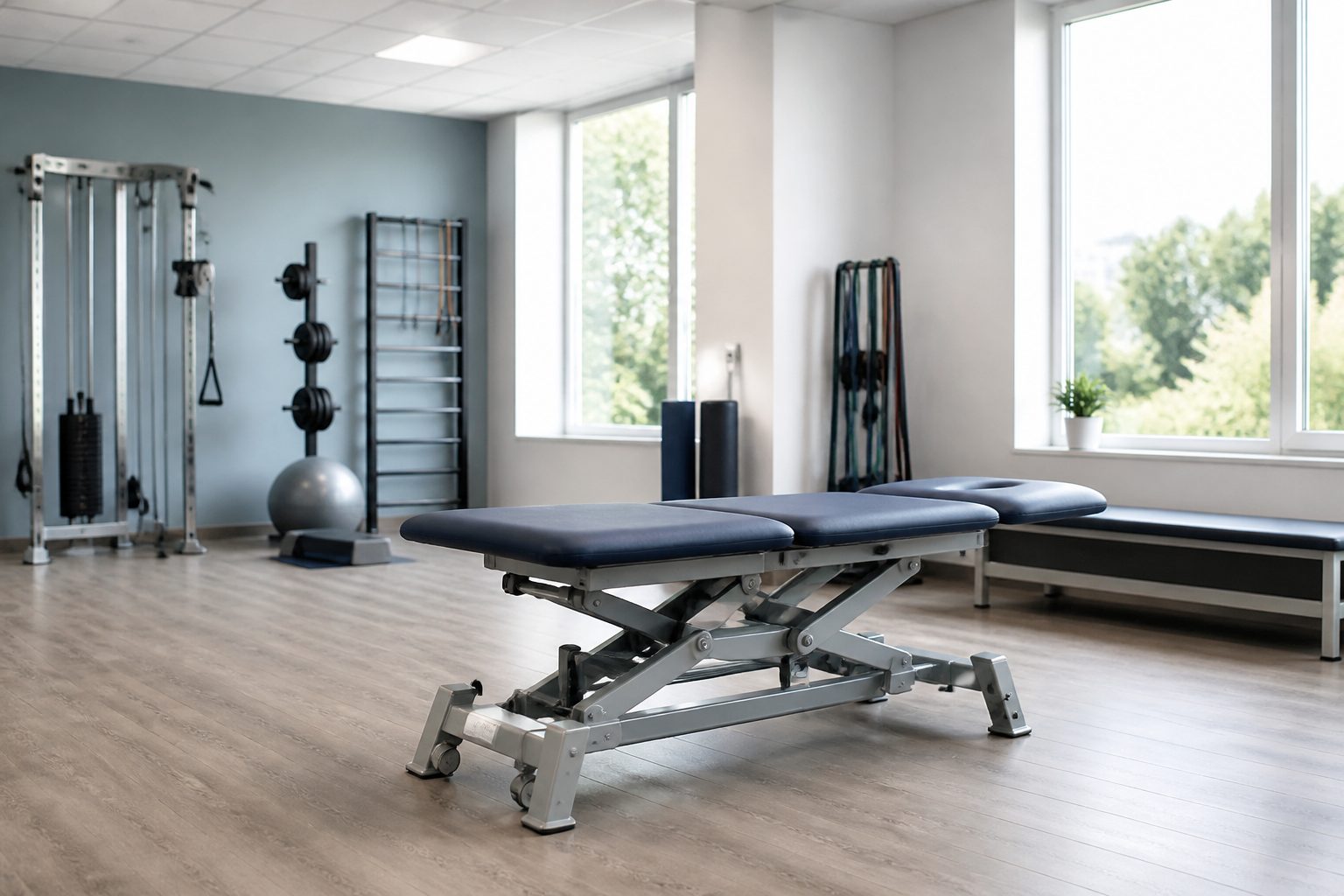
Physiotherapy, rehabilitation, and elderly care services are essential for recovery after injury, surgery, or for managing chronic conditions. Costs for these services vary dramatically between India, the UK, and the USA. This guide compares what you can expect to pay for individual physiotherapy sessions, as well as monthly rates for rehabilitation clinics, nursing homes, assisted living, and home healthcare.
This article is for patients and families exploring options for physiotherapy, elderly care, or home nursing in these three countries. We outline typical per-session and monthly costs, what is included, and how to make informed choices.
Overview of physiotherapy and elderly care services
Physiotherapy involves assessment and treatment to restore movement and function after injury, surgery, or illness. Services can be delivered in hospitals, clinics, at home, or in long-term care settings. Elderly care covers a spectrum: short-term rehabilitation, long-term nursing homes, assisted living, and home-based care.
In India, physiotherapy is widely available in urban centers and increasingly accessible in smaller towns. The UK offers physiotherapy through the NHS (with wait times) and private clinics. In the USA, most physiotherapy is private, with insurance coverage varying. Elderly care and home healthcare are delivered in both institutional and home settings, with levels of support from basic assistance to full nursing or palliative care.
Typical physiotherapy session costs by country
Session costs depend on provider qualifications, location, and whether care is delivered in a clinic, at home, or in a hospital. In India, a session with a qualified physiotherapist in a clinic typically costs $6-$15 (₹500-₹1,250). Home visits are $10-$25 (₹800-₹2,000). In the UK, private sessions are around $55-$75 (£45-£60), with home visits costing more. In the USA, a session ranges from $90-$160, depending on the region and provider, with home visits at the higher end or above.
Insurance may cover some or all costs in the USA and UK, but not always for home visits or long-term rehabilitation. In India, most patients pay out-of-pocket, although some insurance policies now include limited physiotherapy coverage.
Monthly rehab, nursing home, and home healthcare costs
Monthly costs for rehabilitation or elderly care depend on the level of support, setting, and country. In India, a basic nursing home bed costs $250-$500 (₹21,000-₹42,000) per month, while higher-end facilities or those in metros can reach $1,000 (₹84,000) or more. Assisted living and rehabilitation hospitals are typically $350-$1,200 (₹29,000-₹100,000) per month. Home nursing with daily visits starts around $200 (₹17,000) monthly for basic care, rising to $600-$1,000 (₹50,000-₹84,000) for 24/7 care.
In the UK, residential care homes average $3,600-$5,000 (£3,000-£4,200) per month, with nursing homes at $5,000-$6,500 (£4,200-£5,500). Home care with several visits a week starts at $1,500 (£1,250) monthly, but 24-hour care can exceed $7,000 (£5,800). The NHS may fund short-term rehab, but long-term care is often private pay.
The USA has the highest costs. Inpatient rehabilitation hospitals typically charge $18,000-$31,000 per month. Nursing home costs average $8,000-$10,000 monthly, and assisted living $4,500-$7,000. Home healthcare varies: weekly visits may cost $2,000-$3,500 per month, while round-the-clock care can reach $20,000 or more.
What is included in the price
Physiotherapy session fees usually cover assessment, hands-on treatment, and exercise prescription. Some clinics include equipment use; others charge extra for modalities like electrotherapy or hydrotherapy. Home visits may cost more to cover travel time.
Monthly rehab hospital rates include accommodation, basic nursing, therapy sessions (often daily), and meals. Nursing home and assisted living fees cover room, meals, basic personal care, and some activities. Higher care levels (e.g., dementia care, complex nursing) usually cost extra. Home nursing packages vary: basic plans include daily visits for assistance with bathing, medication, and mobility; more intensive care adds nursing procedures or 24/7 support.
In all countries, extras like specialist consultations, advanced therapies, or certain medications may not be included. Always ask for a detailed breakdown.
Table: Physiotherapy and care costs in India, UK, and USA
| Service | India | UK | USA |
|---|---|---|---|
| Physiotherapy session (clinic) | $6-$15 (₹500-₹1,250) | $55-$75 (£45-£60) | $90-$160 |
| Physiotherapy session (home) | $10-$25 (₹800-₹2,000) | $75-$100 (£60-£80) | $120-$200 |
| Rehab hospital (monthly) | $350-$1,200 (₹29,000-₹100,000) | $6,000-$8,000 (£5,000-£6,700) | $18,000-$31,000 |
| Nursing home (monthly) | $250-$1,000 (₹21,000-₹84,000) | $3,600-$6,500 (£3,000-£5,500) | $8,000-$10,000 |
| Assisted living (monthly) | $350-$1,200 (₹29,000-₹100,000) | $3,500-$5,000 (£2,900-£4,200) | $4,500-$7,000 |
| Home nursing (basic, monthly) | $200-$600 (₹17,000-₹50,000) | $1,500-$3,000 (£1,250-£2,500) | $2,000-$3,500 |
| Home nursing (24/7, monthly) | $600-$1,000 (₹50,000-₹84,000) | $7,000-$10,000 (£5,800-£8,300) | $15,000-$20,000 |
What drives the price
Several factors affect physiotherapy and care costs. In all countries, urban areas and major cities are more expensive than smaller towns. The provider’s qualifications and experience, as well as the complexity of care, influence the rate. For elderly care, the level of medical or nursing support required (e.g., basic help vs. complex nursing or dementia care) is a major cost driver.
In India, prices are generally lower due to labor costs, but vary by city and facility quality. In the UK, private care costs are high due to staffing and regulatory standards, while NHS options may have long wait times or limited availability. In the USA, high labor costs, insurance billing, and regulatory overheads make prices the highest globally.
Hidden costs and what is not included
While headline rates for physiotherapy or elderly care might seem straightforward, there are often additional costs that may not be immediately apparent. In physiotherapy, you may face extra charges for specialist consultations (such as orthopedic or neurological assessments), advanced equipment use (like ultrasound, electrotherapy, or laser devices), or for specific therapeutic techniques not included in the standard fee. Home visit physiotherapy often carries additional travel fees, which can vary significantly depending on distance, especially in large cities or rural areas in India and the USA.
In care homes or rehabilitation hospitals, the base rate may not cover all aspects of care. Extras can include medications, which are often billed separately and may be costly for chronic conditions, as well as personal hygiene items, incontinence supplies, and specialist diets tailored for conditions like diabetes or kidney disease. Additional therapy sessions (such as occupational or speech therapy) may incur separate charges.
Other hidden costs to watch for include laundry or linen services, transportation for medical appointments or outings, and recreational or social activities—these are sometimes offered as optional extras but can add up over time. Some facilities may also charge for emergency medical care or after-hours support. Insurance, whether private or government-funded, may not cover all these extras, especially for long-term, non-medical, or social care components. To avoid unexpected expenses, always request a fully itemized quote and clarify in writing which services are included and which require extra payment. This transparency is crucial for effective budgeting and peace of mind.
How to save safely on physiotherapy and care costs
There are several practical strategies to reduce physiotherapy and elderly care costs without compromising on safety or quality. First, always compare multiple providers to understand the range of market rates and services included. Ask about package deals for multiple sessions, which are common in India and can significantly lower per-session costs, especially for long-term or chronic care. In India, negotiating rates is often acceptable, particularly for extended treatment plans or residential stays; don’t hesitate to discuss discounts for advance payments or referrals.
In the UK and USA, explore eligibility for government or insurance funding. The UK’s NHS may provide free or subsidized physiotherapy, though private care is faster. In the USA, check your insurance policy for coverage details, including co-pays, deductibles, and any limits on the number of sessions. Some states offer Medicaid or veterans’ benefits for elderly care—research local options thoroughly.
Group physiotherapy classes, where appropriate, can reduce costs considerably while still offering professional supervision and support, especially for conditions like arthritis or post-surgical recovery. For elderly care, home-based solutions (such as hiring a part-time caregiver or using tele-rehabilitation) are usually more affordable than residential facilities, provided the patient’s needs are not too complex. However, for advanced medical or nursing needs, institutional care may ultimately be safer and more cost-effective due to access to round-the-clock support and specialized equipment.
Regardless of the approach, always verify provider credentials, ask for transparent pricing, and avoid deals that seem too good to be true. Cutting corners on staff qualifications, hygiene, or emergency support can lead to poor outcomes and higher costs in the long run. Prioritize safety, quality, and clear communication to save money without risking your or your loved one’s health.
Choosing the right provider
Selecting the right physiotherapy or elderly care provider is essential for both safety and value. Start by verifying professional qualifications: in India, look for a Bachelor or Master of Physiotherapy (BPT or MPT) and registration with the Indian Association of Physiotherapists; in the UK, ensure the therapist is registered with the Health and Care Professions Council (HCPC); in the USA, a Doctor of Physical Therapy (DPT) and valid state licensure are mandatory. For complex or condition-specific needs, seek professionals with relevant experience or additional certifications, such as neuro-rehabilitation or geriatric care.
When considering rehabilitation centers or elderly care facilities, an in-person visit can provide crucial insights. Assess staff-to-patient ratios, availability of emergency medical support, and infection control protocols. In India, accreditations from bodies like NABH (National Accreditation Board for Hospitals & Healthcare Providers) or JCI (Joint Commission International) signal adherence to quality standards. In the UK and USA, look for Care Quality Commission (CQC) ratings or Medicare/Medicaid certification, respectively.
For home healthcare, check that caregivers or nurses have undergone thorough background checks and possess formal training. Ask about ongoing supervision by a registered nurse or physician, and whether there are regular performance reviews. Good providers will offer transparent, detailed pricing, clear contracts outlining responsibilities and services, and regular progress updates to keep you informed. Don’t hesitate to request references or testimonials from previous clients. Taking these steps helps ensure you receive competent, safe, and effective care tailored to your needs and budget.
Planning and budgeting tips
Effective planning and budgeting for physiotherapy or elderly care starts with a clear assessment of the patient’s needs. Determine whether you require basic physiotherapy (such as post-injury or post-operative rehab), intensive rehabilitation for complex conditions (like stroke or neurological disorders), or comprehensive nursing support for chronic or elderly care. The level of care required will greatly influence both the frequency and type of sessions, and therefore overall costs.
Obtain written quotes from several providers and request a detailed breakdown of services—this should include assessment fees, follow-up sessions, use of specialized equipment, and any administrative charges. Transportation costs can add up, especially in countries like India where clinics may be far from home, or in the USA where home visits command premium rates. If opting for home care, factor in equipment rental (e.g., mobility aids, therapy devices) and possible home modifications for safety.
Consider the long-term financial commitment: chronic conditions or post-surgical recovery may require weeks or months of ongoing therapy. Ask providers about discounts for advance payments, bundled session packages, or longer-term stays in rehabilitation centers. In the UK, check if you are eligible for NHS or council-funded care, but be aware of waiting lists and eligibility criteria. In the USA, clarify insurance coverage, including pre-authorization requirements and any annual caps or exclusions. Involve family members in decision-making, especially when planning for elderly relatives, and ensure you keep an emergency fund for unexpected needs such as sudden complications or additional therapies. Regularly review and adjust your budget as care needs evolve.
Bottom line
Physiotherapy and elderly care costs exhibit significant variation between India, the UK, and the USA, driven by differences in healthcare systems, labor costs, and the extent of insurance or government support. India is recognized for offering the lowest out-of-pocket prices, with urban centers providing a rapidly expanding range of high-quality clinics and home care options at a fraction of Western costs. Sessions in India can be as low as INR 300–1,000 ($4–12), whereas in the UK, private physiotherapy typically ranges from £40–£70 ($50–90) per session, and in the USA, costs can soar to $100–$300 or more, especially without insurance.
The UK’s National Health Service (NHS) may offer free or subsidized physiotherapy, but wait times can be long and options limited. In contrast, the USA relies heavily on private insurance, which may cover some or all costs, but deductibles and co-pays can still be substantial. Elderly care, including home visits and residential facilities, follows similar cost patterns, with India remaining the most affordable, though premium options and international accreditations can raise prices.
When deciding, consider not just the price but also your clinical requirements, the provider’s qualifications, and the extent of aftercare or support. Always ask for a comprehensive, written quote that details what is included—such as session length, equipment use, and follow-up support. Consult a qualified healthcare professional to ensure the plan matches your medical needs, and verify credentials to avoid substandard care. Being informed and proactive helps you balance quality, safety, and affordability across these countries.
Frequently asked questions
How many physiotherapy sessions will I need?
The number of sessions depends on your condition, severity, and response to treatment. Acute injuries may need 3-6 sessions, while chronic or post-surgical cases can require weeks or months. Your physiotherapist will advise after an initial assessment.
Is home physiotherapy as effective as clinic sessions?
For many conditions, home physiotherapy can be just as effective, especially for mobility or basic rehabilitation. However, clinics may offer advanced equipment and a controlled environment for complex cases. Discuss with your therapist what suits your needs.
Are there waiting lists for physiotherapy in the UK?
Yes, NHS physiotherapy often has waiting times of several weeks or months, especially for non-urgent cases. Private clinics usually offer faster appointments, but at a higher cost. Some areas have community or group physiotherapy options.
What qualifications should I check for in a physiotherapist?
In India, look for BPT or MPT degrees and state registration. In the UK, physiotherapists should be HCPC-registered. In the USA, a DPT and state licensure are standard. Experience in your specific condition is also important.
Does insurance cover physiotherapy and elderly care?
Coverage varies. In the USA, insurance may cover physiotherapy with a doctor’s referral, but elderly care is often not included. In the UK, NHS covers some physiotherapy and short-term rehab. In India, insurance coverage is limited but increasing. Always confirm with your insurer.
Related guides
Disclaimer: Prices in this article are indicative and for general guidance only. Actual costs vary by provider, location, and individual case. Always obtain a written quote and consult a qualified doctor before making care decisions.