
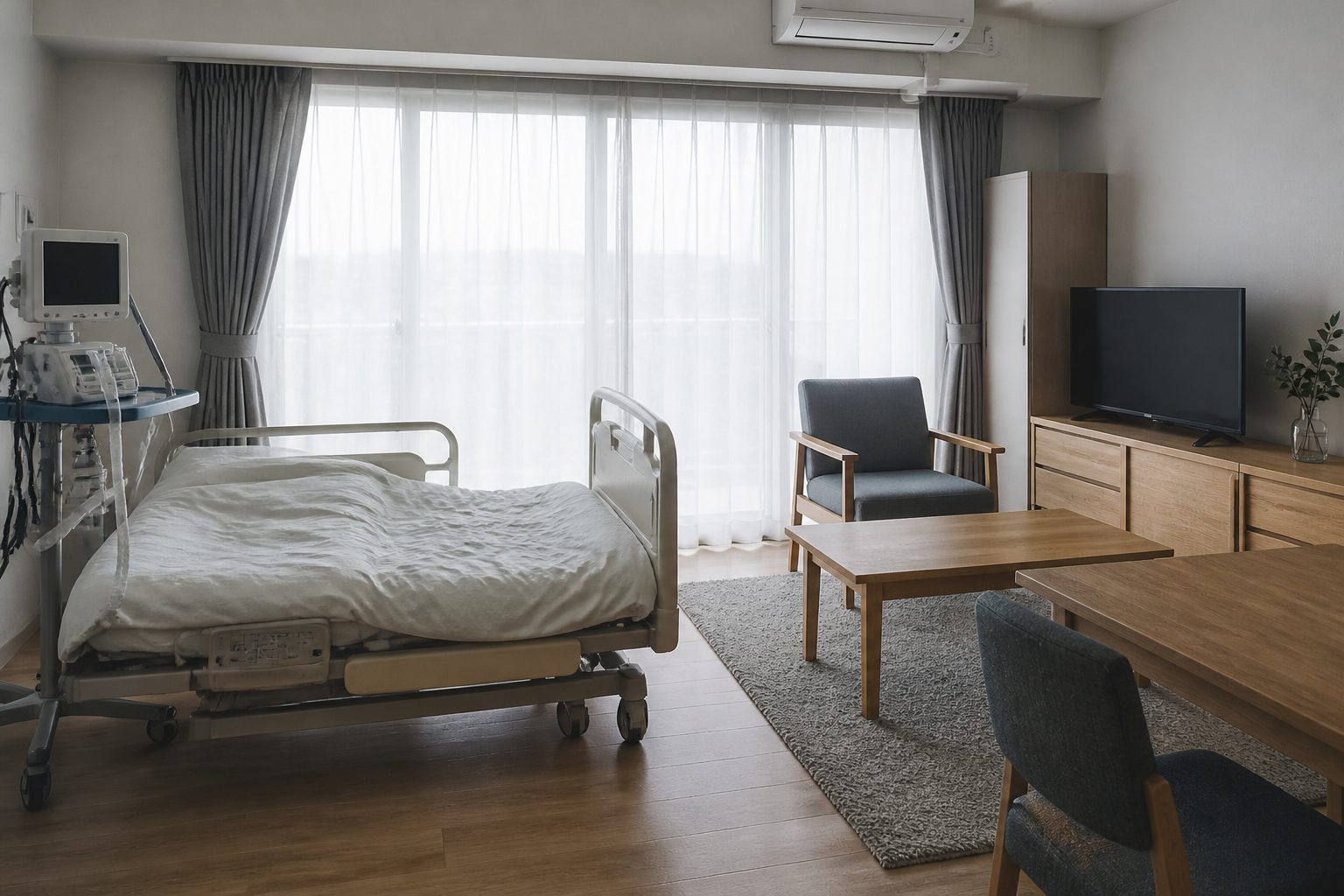
This guide is for families in Japan considering hospice care at home for elderly or seriously ill loved ones. Expect monthly costs between $2,200 and $5,000 (¥340,000–770,000), depending on services, region, and level of care.
We explain what’s included in home hospice, what drives costs, and how Japanese options compare internationally. Learn how to budget, what to ask providers, and how to avoid unexpected fees.
What is hospice care at home?
Hospice care at home supports people with serious illness or at the end of life, focusing on comfort, dignity, and quality of life rather than cure. In Japan, this care typically involves a team that may include doctors, nurses, physiotherapists, and care managers. Services range from pain management and symptom control to emotional and spiritual support, often coordinated through home-visit nursing stations (zaitaku iryo).
Home hospice allows patients to remain in familiar surroundings, often preferred by families and individuals wishing to avoid hospital stays. Medical professionals visit regularly, and family members may provide daily support. Japanese public health insurance covers some hospice services, but there are significant out-of-pocket costs, especially for extended or intensive care.
Typical costs for home hospice in Japan
The expenses for home hospice care in Japan can vary significantly depending on the region, the provider, and the complexity of the patient’s needs. Generally, the main cost components include regular nursing visits (usually several times per week), periodic physician check-ins, necessary medications, rental of medical equipment, and sometimes additional services such as physiotherapy or rehabilitation. For a standard package, most families can expect to pay between $2,200 and $5,000 (¥340,000–770,000) per month, although this range can fluctuate based on a number of factors.
- Location: Urban areas like Tokyo and Osaka may have more providers and competitive pricing, but rural areas often face higher costs due to travel fees and fewer service options.
- Level of care required: Patients needing more frequent medical attention, complex symptom management, or specialized therapies will see higher monthly bills.
- Type and amount of equipment: Basic equipment may be included, but advanced devices such as oxygen machines or hospital beds are often extra.
- Emergency and after-hours services: These are typically billed separately and can be expensive, especially if frequent.
Japan’s public long-term care insurance system, known as kaigo hoken, can help offset some of these expenses for elderly patients who qualify. However, it is important to note that not all services are fully covered. For example, certain medications, advanced home medical equipment, and specialized palliative care may require additional out-of-pocket payments. In many cases, families must rely on private insurance or personal savings to bridge these gaps, particularly for services like physiotherapy, occupational therapy, or advanced pain management techniques that are not universally reimbursed.
To better predict and manage costs, families should consult with both their chosen hospice provider and their local municipal office to clarify what is covered under kaigo hoken and what will require supplemental payment. Understanding these distinctions is essential for budgeting and for avoiding unexpected financial strain during an already challenging time.
What is included and not included in the price
Home hospice packages in Japan typically offer a core set of medical and support services for patients wishing to spend their final days at home. However, the exact inclusions can differ widely between providers and municipalities, so it’s vital to understand what is covered under your chosen plan and what incurs extra fees.
Commonly included services:
- Regular nurse visits: Most providers offer 1–3 nurse visits per week to monitor symptoms, administer medications, and provide basic medical care.
- Periodic doctor visits: Usually 2–4 times per month, these check-ins are for medical assessments, prescription adjustments, and overall care planning.
- Pain management and symptom control: The hospice team will work to manage discomfort and provide relief from distressing symptoms, using both medications and non-drug interventions.
- Basic medical supplies: Items like bandages, catheters, gloves, and syringes are generally included.
- Care coordination and emergency phone support: Providers typically offer a point of contact for questions or urgent concerns, though in-person emergency visits may cost extra.
Services often not included or requiring extra payment:
- 24-hour or overnight nursing: If your loved one needs continuous monitoring, this is usually considered an add-on and billed separately, often at a premium rate.
- Rental of hospital beds, wheelchairs, or specialized equipment: While some basic equipment may be included, advanced items often require separate rental agreements.
- Physiotherapy or rehabilitation sessions: These are typically not bundled into standard hospice packages and are billed per session if needed.
- Personal care assistance: Help with bathing, feeding, and toileting is often arranged through separate home help agencies and may not be covered by hospice fees.
- Medication costs: While some drugs are reimbursed by insurance, others—particularly newer or non-standard medications—may require partial or full out-of-pocket payment.
- Grief counseling and spiritual care: Emotional support for families and patients is not always included and may need to be arranged with outside organizations or at additional cost.
Given these variations, always request a full, itemized breakdown of what your provider includes in their quoted price. Clarify with both the provider and your local government office what is covered by public insurance and what is not. This diligence will help you avoid surprise expenses and ensure your loved one receives the care they need without unnecessary financial stress.
Cost comparison: Japan and other countries
| Country | Monthly cost (USD) | Local currency | Includes | Notes |
|---|---|---|---|---|
| Japan | $2,200–$5,000 | ¥340,000–770,000 | Nursing/doctor visits, basic supplies, care coordination | Partial coverage via public insurance; extras often self-pay |
| United States | $4,000–$7,000 | $4,000–$7,000 | Nursing, medication, equipment, some therapies | Medicare covers many, but not all, costs |
| United Kingdom | $0–$2,500 | £0–£2,000 | Nursing, some therapies, equipment | NHS covers most services; some may require private top-up |
| India | $300–$900 | ₹25,000–75,000 | Nursing, basic supplies | Varies widely by city and provider; out-of-pocket |
| Philippines | $500–$1,200 | ₱28,000–67,000 | Nursing, some equipment | Limited insurance coverage; mostly private providers |
| Bangladesh | $200–$600 | ৳22,000–66,000 | Nursing, basic medication | Mostly urban; limited rural access |
| Indonesia | $400–$1,000 | Rp 6–15 million | Nursing, some medical equipment | Private pay; limited palliative infrastructure |
| Pakistan | $250–$700 | ₨70,000–200,000 | Nursing, basic care | Growing sector; mostly private |
What drives the price of home hospice care
Several factors influence the cost of hospice care at home in Japan. The patient’s location is significant: urban areas like Tokyo or Osaka tend to be more expensive than rural regions. The frequency and type of nursing and doctor visits also affect price. More frequent or specialized care, such as complex symptom management or advanced wound care, increases expenses.
The need for physiotherapy or rehabilitation services can add $50–$120 (¥7,500–18,000) per session. Specialized equipment rental—such as oxygen concentrators, hospital beds, or transfer lifts—may add $100–$300 (¥15,000–45,000) per month. If 24-hour care or overnight support is required, the monthly bill can rise significantly, sometimes doubling.
Insurance coverage is another factor. While Japan’s public insurance systems offset some costs, coverage limits and co-payments mean families often pay a substantial share—especially for non-medical services like personal care, or for those not eligible for certain benefits.
How to choose a home hospice provider in Japan
Start by confirming your loved one’s eligibility for public insurance support. Consult with their primary physician or a local care manager (kaigo manager). Ask about the provider’s experience with your loved one’s condition, and whether they offer integrated physiotherapy or rehabilitation if needed.
Check for accreditation or affiliation with reputable medical institutions. Ask for a clear, itemized estimate: what is included, how often staff visit, emergency support, and how additional services are billed. Read reviews or ask for references from other families. Consider language support if you are an international resident or your family is not fluent in Japanese.
Finally, clarify how care is coordinated among doctors, nurses, and therapists, and whether they can provide support for navigating insurance paperwork or accessing government subsidies.
Hidden costs and what to watch for
When considering home hospice care in Japan, families often encounter expenses that are not immediately apparent in initial quotes. These hidden costs can significantly impact your overall budget and may differ depending on your location and the specific needs of the patient. Some of the most common hidden costs include:
- Additional nursing or doctor visits: While most packages include a set number of visits, any extra appointments—especially during weekends or holidays—are typically billed separately and can add up quickly.
- After-hours or emergency call-outs: If you require urgent assistance outside regular working hours, providers often charge premium rates, which may not be covered by insurance.
- Rental or purchase of medical equipment: Standard packages might only cover basic items. Equipment such as motorized beds, oxygen concentrators, or specialized mattresses often require extra rental fees or outright purchase, particularly if the need arises suddenly.
- Out-of-pocket medication expenses: Not all medications, especially newer or non-generic drugs, are fully reimbursed by public insurance. Families may need to pay for these out of pocket, and costs can escalate for complex pain management regimens.
- Personal care aides or helpers: Services like bathing, feeding, and toileting assistance are frequently not included in core hospice packages and must be arranged separately, sometimes at higher hourly rates.
- Travel fees for staff: If your home is outside the main service areas—common in rural prefectures—additional transportation charges may apply. This can also mean fewer providers to choose from, potentially leading to higher costs due to limited competition.
It is crucial to ask every provider for a comprehensive list of what is and isn’t included in their standard fees. Request clarification about which specific services or circumstances will trigger extra charges, and make sure to get this information in writing. If you anticipate a need for overnight or 24-hour care, always request a detailed, written quote beforehand, as these services often carry substantial surcharges.
Families living outside major cities like Tokyo or Osaka may face higher travel expenses and have limited access to specialized home-based therapies such as physiotherapy or speech rehabilitation. In these cases, you might also need to pay for transportation of equipment or for visiting therapists. Understanding these hidden costs in advance can help you avoid financial surprises and plan more effectively for your loved one’s care.
How to save on home hospice care safely
Reducing the cost of home hospice care in Japan is possible, but it requires careful planning and knowledge of available resources. The first and most effective step is to fully utilize all public insurance benefits for which your loved one may be eligible. This includes applying for kaigo hoken (long-term care insurance), which can cover a significant portion of basic nursing visits, some medical equipment, and certain personal care services for elderly patients. Additionally, check with your local municipal office for disability or palliative care subsidies, as some cities and prefectures offer extra support for low-income families or those caring for elderly relatives at home.
- Choose non-profit or group providers: Non-profit organizations and group-based hospice services often have lower rates or offer sliding-scale fees based on income, making care more affordable for many families.
- Consider telemedicine and remote services: For physiotherapy, counseling, or routine check-ins, ask if remote (tele-rehab) sessions are available. These are often less expensive than in-person visits and can reduce transportation costs.
- Rent equipment from public sources: Municipalities, community health centers, or local charities may offer medical equipment rentals at a fraction of the cost charged by private companies. Always compare prices and ask about any government-supported programs.
- Coordinate care with family: If possible, have family members assist with daily personal care tasks. Some municipalities offer training or guidance for family caregivers, which can reduce the need for paid aides.
However, while saving on costs is important, never compromise on the quality or safety of care. Avoid unlicensed or unregulated providers, as this can expose your loved one to health risks and legal issues. Always demand a written contract from any provider, detailing all services, fees, and emergency procedures. This documentation is essential for both safety and insurance reimbursement.
Finally, regularly review your care plan and expenses. As needs change, you may be able to adjust services and reduce costs without sacrificing quality. Staying proactive and well-informed is the best way to ensure safe, affordable hospice care at home in Japan.
Planning tips for families
Effective planning is crucial for families arranging home hospice care in Japan. Begin the conversation early—ideally before a crisis occurs—so that everyone involved can express their preferences and understand the financial, emotional, and logistical realities of home-based end-of-life care. Here are some practical steps to help you navigate the process:
- Discuss care preferences: Hold a family meeting to talk about your loved one’s wishes, such as preferred care setting, pain management options, and spiritual or cultural needs. This ensures everyone is on the same page.
- Set financial boundaries: Review your family’s budget and determine how much you can afford to spend each month. Factor in potential hidden costs and insurance coverage gaps.
- Assign a care coordinator: Designate one family member to be the main point of contact with hospice providers, insurance offices, and other agencies. This person should keep detailed records of all agreements, bills, and communications for future reference and insurance claims.
- Request a home safety assessment: Many hospice providers include this service, which helps identify hazards and recommends modifications for safer care at home. If not, ask your municipal office for referrals to certified assessors.
- Schedule regular care team meetings: Set up ongoing meetings with the hospice team to review the care plan, discuss changes in needs, and adjust services as necessary. This ensures care remains appropriate and cost-effective.
- Train family caregivers: If family members will be providing some daily care, ask the hospice team for hands-on training or written guides. This can improve care quality and reduce reliance on paid aides.
Don’t overlook the emotional side of caregiving. Hospice organizations and local governments often provide access to counseling, support groups, or respite care for both patients and their families. Taking advantage of these resources can help reduce stress and support mental health during a challenging time.
By planning ahead, staying organized, and seeking both practical and emotional support, families can create a more comfortable, dignified, and affordable home hospice experience for their loved ones in Japan.
Frequently asked questions
How much does home hospice cost per month in Japan?
Most families pay between $2,200 and $5,000 (¥340,000–770,000) per month. This covers nursing visits, some doctor check-ins, and basic supplies, but costs can rise with additional services or equipment.
Is physiotherapy included in Japanese home hospice care?
Physiotherapy is sometimes available but is often billed separately. Expect to pay $50–$120 (¥7,500–18,000) per session, depending on provider and location. Check if your insurance covers these sessions.
Does Japanese public insurance cover all home hospice costs?
Japan’s health and long-term care insurance covers some hospice costs, but families usually pay a portion out of pocket, especially for personal care, extra visits, or specialized therapies.
How do I find a reputable home hospice provider in Japan?
Ask your doctor or local care manager for referrals. Check for medical accreditation, clear pricing, and positive reviews. Look for providers with experience in your loved one’s condition and transparent billing.
What are the biggest hidden costs in home hospice?
Common hidden costs include after-hours visits, equipment rental, medications not covered by insurance, and personal care aides. Always request a detailed estimate and ask about extra fees before starting care.
Related guides
Disclaimer: Prices in this guide are indicative and vary by case, region, and provider. Always request a written quote and consult a qualified doctor or care manager for tailored advice.