
Home physiotherapy visits are increasingly popular in Pakistan and Bangladesh, especially for elderly care, post-surgery rehabilitation, and chronic conditions. Patients and families often ask about the typical costs and what to expect from these services.
In both countries, you can expect to pay $8–$25 (PKR 2,250–7,000 / BDT 900–2,800) per session for qualified in-home physiotherapy. Monthly packages, which may include 12–20 visits, start around $120. Here’s a detailed guide to help you compare options and understand what’s included.
What does home physiotherapy include?
Home physiotherapy involves a licensed or certified physiotherapist visiting the patient’s residence to provide assessment, treatment, and care planning. Typical services include:
- Musculoskeletal rehabilitation (e.g., after fractures, joint replacements)
- Neurological rehabilitation (e.g., stroke, Parkinson’s, multiple sclerosis)
- Cardiac and pulmonary rehabilitation
- Pain management and mobility exercises
- Fall prevention and balance training for elderly patients
- Training in the use of mobility aids (walkers, canes, wheelchairs)
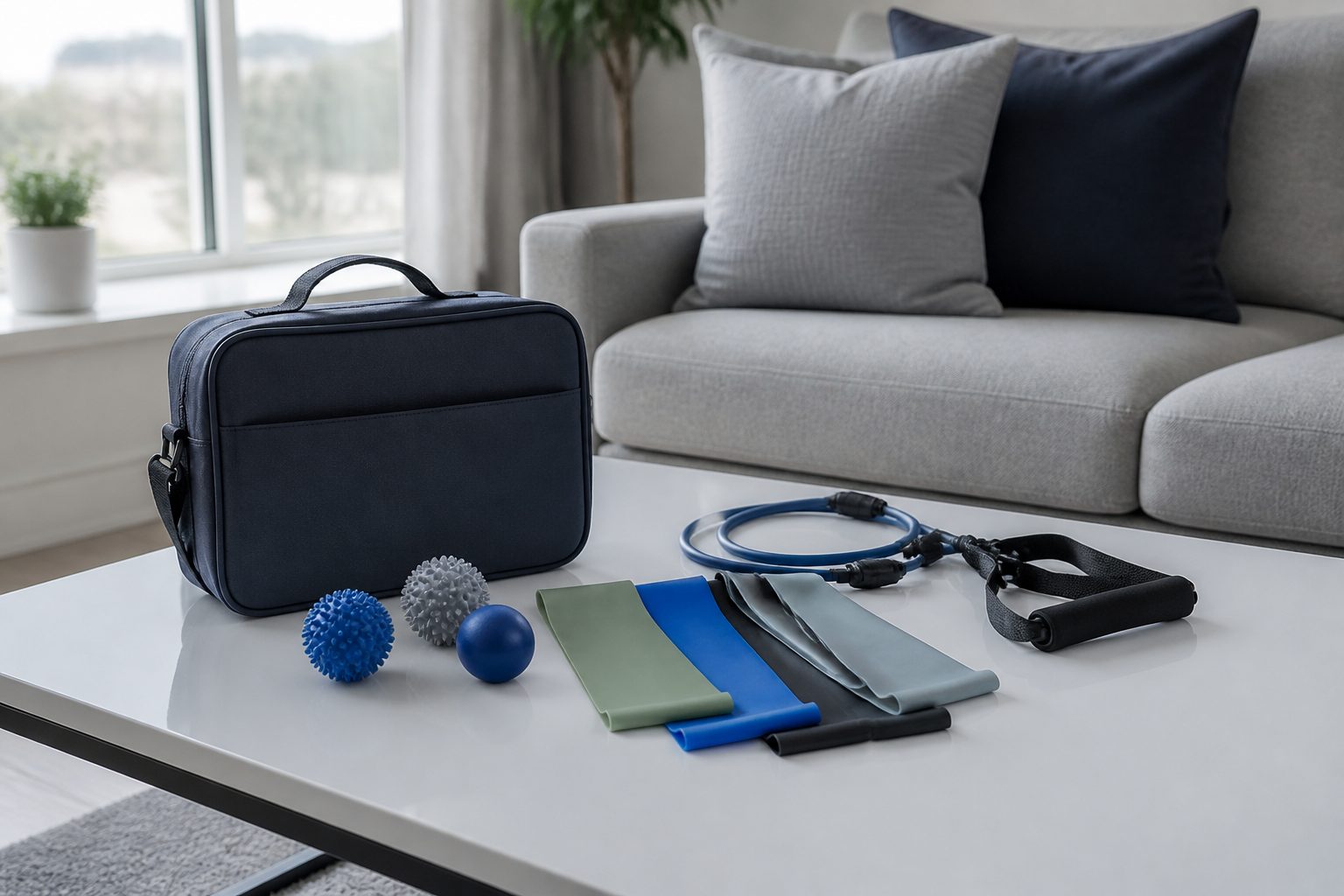
Most home physiotherapy providers in Pakistan and Bangladesh offer 45–60 minute sessions. Some also provide equipment (like resistance bands or small exercise gear) for use during treatment, but larger devices are rarely included. Family education and progress reporting may be part of the package, especially for long-term care.
Typical per-session and monthly costs
The cost of home physiotherapy in Pakistan and Bangladesh varies widely depending on several factors, including the therapist’s qualifications, the location, and the type of service required. In major urban centers like Karachi, Lahore, Islamabad, Dhaka, and Chittagong, you can expect to pay at the higher end of the spectrum, as these cities have more experienced therapists and clinics adhering to international standards. In these cities, a single session typically ranges from $8 to $25 (PKR 2,250–7,000 in Pakistan or BDT 900–2,800 in Bangladesh), reflecting both the expertise of the provider and the higher cost of living.
- Per session: $8–$25 (PKR 2,250–7,000 / BDT 900–2,800). Sessions at the lower end are usually offered by less experienced therapists or in smaller towns, while top-tier professionals and specialized care command higher fees.
- Monthly package (12–20 sessions): $120–$350 (PKR 34,000–98,000 / BDT 13,500–39,000). These packages are ideal for patients requiring regular therapy, such as those recovering from major surgery or managing chronic conditions. Packages often provide better value, reducing the per-session cost and sometimes including additional services like progress assessments.
- Initial assessment visit: $15–$35 (PKR 4,200–9,800 / BDT 1,700–4,200). The first visit may be more expensive as it typically involves a comprehensive evaluation, personalized goal setting, and a tailored care plan.
Discounts are often available for clients who pre-pay for a package or commit to long-term care. However, additional charges may apply for travel to remote locations, urgent or after-hours sessions, or for specialized therapies. Always confirm the full cost structure with your provider before starting treatment to avoid surprises.
Comparison of home physiotherapy costs across countries
To give a broader perspective, here’s how home physiotherapy visit charges compare in Pakistan, Bangladesh, and several other countries popular with medical travelers and expatriate families. These are indicative per-session rates for qualified, licensed providers in urban areas.
| Country | Per-session cost | Monthly package (12–20 visits) | Initial assessment | Notes |
|---|---|---|---|---|
| Pakistan | $8–$25 (PKR 2,250–7,000) | $120–$350 (PKR 34,000–98,000) | $15–$35 (PKR 4,200–9,800) | Major cities; rates lower in smaller towns |
| Bangladesh | $8–$20 (BDT 900–2,800) | $120–$300 (BDT 13,500–39,000) | $15–$30 (BDT 1,700–4,200) | Dhaka, Chittagong; limited rural access |
| India | $10–$40 (₹800–3,300) | $150–$400 (₹12,000–33,000) | $20–$50 (₹1,600–4,000) | Wide range in metro vs. tier-2 cities |
| Indonesia | $15–$35 (IDR 230,000–540,000) | $200–$500 (IDR 3.1–7.8 million) | $20–$45 (IDR 310,000–700,000) | Mostly in Jakarta, Surabaya |
| Philippines | $18–$45 (PHP 1,000–2,500) | $250–$600 (PHP 14,000–33,000) | $25–$60 (PHP 1,400–3,300) | Metro Manila, Cebu; home care growing |
| Turkey | $30–$60 (TRY 950–1,900) | $400–$800 (TRY 12,500–25,000) | $35–$70 (TRY 1,100–2,200) | Istanbul, Ankara |
| United Kingdom | $60–$110 (£50–90) | $700–$2,000 (£570–1,600) | $80–$160 (£65–130) | Private sector; NHS rarely covers home physio |
| United States | $90–$200 | $1,000–$3,000 | $120–$250 | Insurance may cover part; high variability |
What is included and excluded in the price
When hiring a home physiotherapist in Pakistan or Bangladesh, it’s important to understand exactly what the quoted fee covers. Typically, standard session charges include the therapist’s travel within city limits, their professional time, and the use of basic exercise equipment such as resistance bands or small weights. The initial assessment visit is often more comprehensive, covering a detailed evaluation, setting therapy goals, and creating a personalized care plan tailored to the patient’s needs and home environment. Subsequent sessions focus on implementing the plan, monitoring progress, and adjusting exercises as necessary.
However, there are several potential extra costs that families should be aware of:
- Travel surcharges for visits to distant suburbs, rural areas, or locations outside the main city zones. These fees can be significant if the therapist must travel long distances.
- Additional charges for sessions scheduled on weekends, public holidays, or outside standard working hours, as therapists may require extra compensation for these times.
- Specialist equipment such as TENS (Transcutaneous Electrical Nerve Stimulation) machines, ultrasound therapy devices, or large exercise tools are usually not included in the standard fee and may incur rental or purchase costs.
- Administrative fees for extra documentation, detailed progress reports, or coordination with other healthcare providers like doctors or nurses.
- Emergency visits or urgent scheduling requests, which can command premium rates due to the need for rapid response.
Consumable items, such as bandages, gels, or single-use disposables, are generally excluded from the base price and may be billed separately. To avoid unexpected expenses, always request a clear written breakdown of what is included and excluded before beginning therapy, and ask about potential additional costs for your specific situation.
How to choose a home physiotherapy provider
When selecting a provider, consider:
- Qualifications: Ensure the physiotherapist is registered with a recognised council (e.g., Pakistan Physical Therapy Association, Bangladesh Physiotherapy Association).
- Experience: For complex cases (e.g., stroke, neurological conditions), look for therapists with specialist training.
- Reputation: Check reviews and ask for references from previous clients.
- Safety: Confirm background checks for therapists and clear protocols for infection control.
- Communication: Providers should offer clear written plans, progress updates, and be responsive to questions.
Some larger clinics and rehabilitation hospitals in major cities offer home visit services as an extension of their outpatient departments. These may cost more but often provide more reliable quality control.
Hidden costs and how to save safely
Hidden costs can include extra travel charges, weekend surcharges, or fees for special equipment. To avoid surprises, ask for a full written breakdown of charges before starting. Clarify cancellation policies and whether missed sessions can be rescheduled without penalty.
To save safely:
- Book monthly packages or bundles rather than individual sessions
- Ask about tele-rehabilitation for some follow-ups (video sessions are often cheaper)
- Use in-network providers if you have private insurance or a corporate healthcare plan
- Verify if any local charities, NGOs or government programs subsidise care for elderly or disabled patients
Be wary of unqualified providers offering unusually low rates. Always check credentials.
Home physiotherapy for elderly care and chronic conditions
Home-based physiotherapy plays a crucial role in managing the health and independence of elderly individuals and those with chronic health conditions in Pakistan and Bangladesh. Many older adults face challenges such as limited mobility, balance issues, or chronic joint pain due to arthritis, making it difficult or unsafe to travel to clinics. Additionally, after surgeries like hip or knee replacements, or following a stroke, in-home rehabilitation helps patients regain mobility and function in a familiar environment, reducing the risk of complications and hospital readmissions.
Families in both countries frequently turn to home physiotherapy to support aging relatives or those with long-term health needs. This approach not only provides convenience but also allows for personalized care tailored to the patient’s home setting, which can be especially important for fall prevention and daily activity training. In urban centers, home physiotherapy is often integrated into broader elderly care programs, sometimes bundled with nursing care, medication management, or palliative support. Such integrated packages tend to increase overall costs, but they offer significant benefits for patients requiring comprehensive, multidisciplinary care.
When considering these services, it’s important to clarify exactly what is included in the package—whether it covers only physiotherapy sessions or also includes nursing, personal care, or equipment. Ask for regular progress updates and ensure that the provider communicates with your doctor if needed. Taking these steps ensures that elderly patients and those with chronic conditions receive consistent, high-quality care tailored to their unique health challenges, while families can better manage costs and care coordination.
Planning and booking tips
Effective planning is essential to get the most benefit from home physiotherapy services in Pakistan and Bangladesh. Start by scheduling appointments in advance, particularly if you prefer the same therapist for each visit. Consistency with one provider helps build trust, ensures better tracking of progress, and allows for more personalized care. If your schedule requires evening or weekend sessions, inquire early about availability, as these slots may be limited and can sometimes cost extra.
For patients living outside major cities, options for home physiotherapy may be fewer. Some providers offer tele-rehabilitation services, allowing patients to connect with therapists via video calls for guided exercises and progress monitoring. In cases where in-person visits are needed, agencies may help arrange for regional therapists to travel to your location, though this may incur additional travel fees.
If your treatment plan requires specialized equipment—such as exercise bikes, therapy balls, or electrical stimulation devices—ask whether the provider offers rental or purchase options. This can be more cost-effective than buying equipment outright, especially for short-term use.
Maintain a written log of all therapy sessions, exercises performed, and progress milestones. Involving family members or caregivers in the sessions can greatly enhance adherence to prescribed exercises and improve outcomes. Regularly review goals and progress with your therapist, and don’t hesitate to discuss any concerns or changes in your condition. By staying organized and proactive, you’ll help ensure a smooth, effective, and affordable home physiotherapy experience.
The bottom line
Home physiotherapy services in Pakistan and Bangladesh offer a cost-effective solution for individuals needing rehabilitation or ongoing physical therapy, especially when compared to international rates. Typically, a single home visit session costs between $8 and $25, making it accessible for many families. These prices are notably lower than those found in Western countries, where a single session can easily exceed $50. In both Pakistan and Bangladesh, urban centers like Karachi, Lahore, Dhaka, and Chittagong may see prices at the higher end of the range, reflecting higher living costs and more experienced practitioners.
For those requiring regular physiotherapy, monthly packages are available, often providing a discounted rate per session. These packages, which can cover 12 to 20 sessions, are ideal for patients with chronic conditions or those recovering from major surgery, as they ensure continuity of care and better progress monitoring. Opting for a package can also help families budget for ongoing care needs and avoid unexpected costs.
To ensure the best outcomes and value, always select qualified physiotherapists who are registered with recognized health authorities or professional bodies. Before starting, ask for a clear breakdown of all charges, including any potential extra fees for travel, equipment, or off-hour visits. Discuss your specific needs and explore package options, as these often include additional support such as progress reports or coordination with doctors. Ultimately, investing in reputable providers and understanding the full cost structure will help you maximize both the value and the quality of home physiotherapy care.
Frequently asked questions
How many sessions are usually needed for recovery?
This depends on the condition and the patient’s goals. Acute injuries may require 6–12 sessions, while chronic or neurological conditions often need ongoing or long-term therapy. Your therapist will recommend a plan after the initial assessment.
Are home physiotherapists in Pakistan and Bangladesh qualified?
Many are graduates of recognised physiotherapy programs and registered with national associations. However, standards vary, so always check credentials and experience, especially for complex cases or elderly care.
Can health insurance cover home physiotherapy?
In Pakistan and Bangladesh, most basic health insurance plans do not cover home physiotherapy. Some corporate or premium policies may offer partial reimbursement. Always check with your insurer and ask for receipts from your provider.
Is equipment provided for home sessions?
Basic equipment like resistance bands or small weights may be brought by the therapist for use during sessions. Larger devices or ongoing equipment for home use typically must be rented or purchased separately.
How do I verify a provider’s reputation?
Ask for references from previous clients, check online reviews, and confirm membership in professional associations. Reputable providers should be transparent about qualifications and willing to share client feedback.
Related guides
Disclaimer: Prices are indicative and can vary by provider, location, and patient needs. Always request a written quote and consult a qualified doctor or physiotherapist for a personalised care plan.