
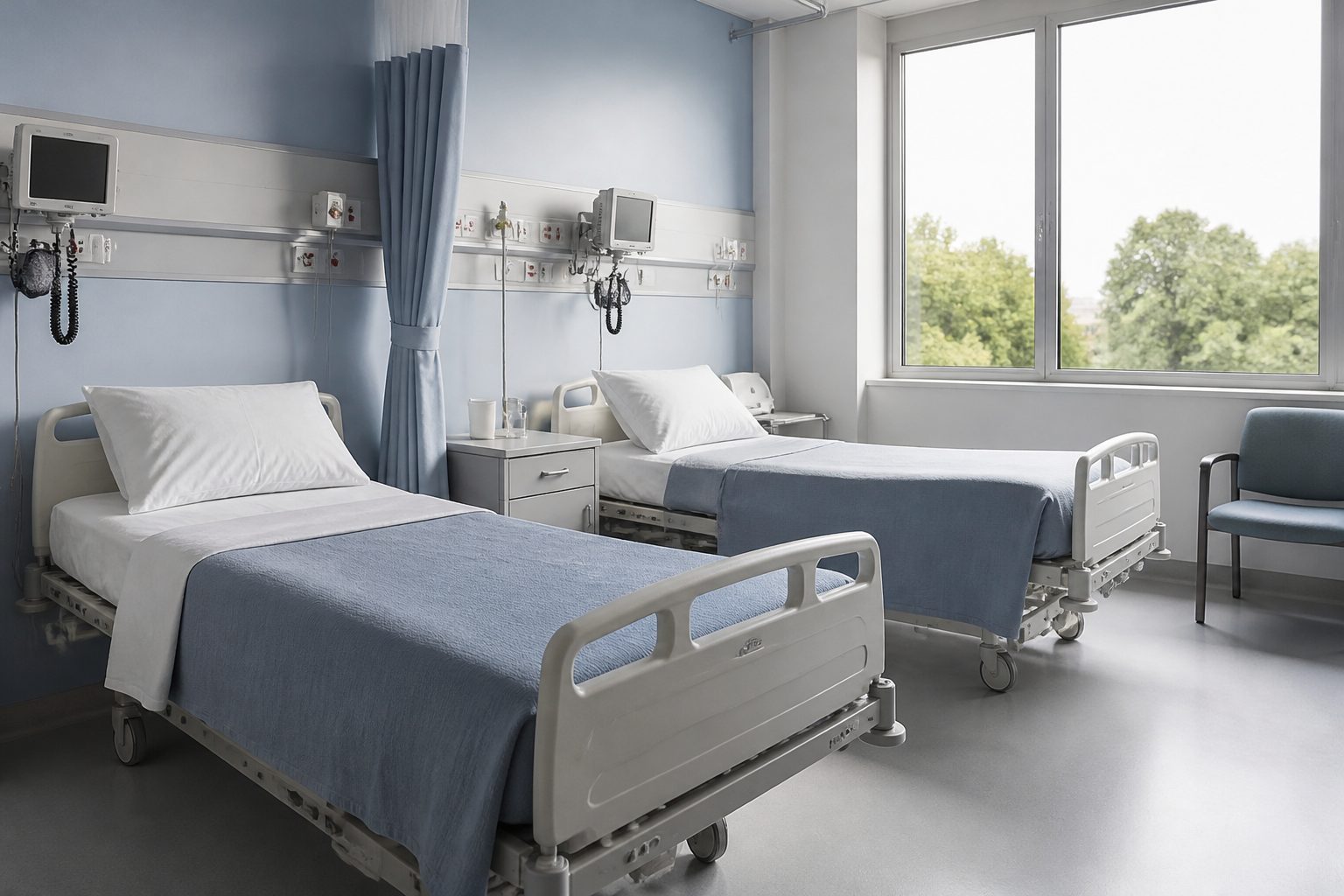
This guide outlines the typical costs and practical details for nursing home admission, rehabilitation, physiotherapy, and elderly care in Bangladesh and India. It’s for families comparing options for long-term or short-term care, including in-patient facilities and home healthcare, with up-to-date cost ranges in both countries.
Monthly fees for nursing homes and rehab hospitals in Bangladesh and India range from $200 to $1,500 (₹17,000–₹125,000/৳22,000–৳165,000), depending on location, care level, and service package. Physiotherapy and home healthcare are usually billed per session or per visit.
Types of nursing care and rehabilitation facilities
Nursing care and rehabilitation services in Bangladesh and India are delivered through several facility types. These include nursing homes, rehab hospitals, physiotherapy clinics, assisted living centers, and home healthcare agencies. Each setting offers distinct levels of medical supervision, therapy, and personal assistance, tailored to different patient needs.
Nursing homes provide 24-hour medical and personal care for elderly or chronically ill patients who cannot be cared for at home. Rehabilitation hospitals focus on recovery after surgery, stroke, or injury, offering intensive physiotherapy, occupational therapy, and sometimes speech therapy. Assisted living centers offer more independence with some support, while home healthcare brings medical or personal care services directly to the patient’s residence. Palliative care and hospice services are also available for patients requiring end-of-life support.
What’s included in the price
When evaluating the monthly or daily fees for nursing homes and rehab centers in Bangladesh and India, it is essential to understand what services are included—and which are not. The standard base price typically covers room and board (shared or private accommodation), basic nursing care, daily meals, housekeeping, and access to common medical services such as medication administration, wound care, and vital sign monitoring. Many facilities include basic doctor visits (usually by a general physician) and some group activities or recreation in the package, though the frequency and quality of these services vary widely by facility and region.
Higher-end or private facilities may offer additional amenities, such as single or deluxe rooms, air conditioning, television, Wi-Fi, and more frequent doctor or specialist visits. Some also have advanced physiotherapy equipment, in-house rehabilitation staff, or on-site diagnostic services. However, even in these settings, several important services are usually excluded from the base price. Families should expect to pay extra for personal supplies (adult diapers, toiletries), certain medications (especially imported or brand-name drugs), laboratory tests, specialist consultations (neurologists, psychiatrists), and advanced therapies (such as speech or occupational therapy). The cost of these extras can vary significantly, with urban centers generally charging more than rural or community-run facilities.
For home healthcare, the quoted price generally covers the nurse or therapist’s time, travel expenses, and basic supplies required for the visit (such as gloves or simple dressings). However, medications, advanced medical equipment rentals (hospital beds, oxygen concentrators), and consumables (catheters, feeding tubes) are almost always billed separately. In both countries, it is crucial to clarify in writing exactly what is included in the quoted price and to request a detailed list of potential extra charges to avoid unexpected financial burdens down the line.
Cost comparison: Bangladesh vs India
Costs for nursing home and rehab care in Bangladesh and India differ by facility type, city, and level of care. In general, India’s larger cities (Delhi, Mumbai, Bangalore, Kolkata, Chennai) offer a wider range of options, including some internationally accredited hospitals and premium facilities. Bangladesh, especially Dhaka and Chittagong, has fewer high-end choices but offers affordable elder care and rehabilitation, mainly in local clinics and nursing homes.
Below is a cost comparison table for common services:
| Service | Bangladesh (USD/৳) | India (USD/₹) |
|---|---|---|
| Nursing home (shared room, monthly) | $220–$600 (৳24,000–৳66,000) | $250–$700 (₹21,000–₹59,000) |
| Nursing home (private room, monthly) | $450–$1,200 (৳50,000–৳132,000) | $500–$1,500 (₹42,000–₹125,000) |
| Rehabilitation hospital (monthly) | $350–$1,000 (৳38,500–৳110,000) | $400–$1,200 (₹33,000–₹100,000) |
| Assisted living (monthly) | $200–$600 (৳22,000–৳66,000) | $250–$800 (₹21,000–₹67,000) |
| Home nursing (per 8–12 hr shift) | $12–$25 (৳1,300–৳2,700) | $15–$30 (₹1,250–₹2,500) |
| Home physiotherapy (per session) | $8–$18 (৳900–৳2,000) | $10–$25 (₹800–₹2,100) |
| Outpatient physiotherapy (per session) | $5–$12 (৳550–৳1,300) | $7–$18 (₹600–₹1,500) |
| Palliative/hospice care (monthly) | $250–$800 (৳27,000–৳88,000) | $300–$1,000 (₹25,000–₹84,000) |
What drives the price
The main factors affecting costs are the level of care, facility quality, location, and length of stay. Facilities in central city areas or with international accreditation (such as JCI or NABH in India) usually charge higher fees. Private rooms, advanced rehabilitation equipment, and 24/7 specialist availability increase the price. In contrast, local clinics and basic nursing homes in smaller cities or rural areas offer significantly lower rates, but may have limited amenities or medical coverage.
Patients requiring intensive rehabilitation (such as after a stroke or major surgery) or with complex medical needs (advanced dementia, multiple chronic illnesses) will incur higher costs due to increased staffing and therapy requirements. For home healthcare, distance from the provider and frequency of visits also affect the total bill.
Hidden costs and exclusions
Although the published monthly or daily rates for nursing home or rehab admission in Bangladesh and India might seem reasonable, families must be vigilant about what these rates actually include. Many essential health needs and services are often excluded from the base price, leading to significant additional expenses over time. For example, routine and specialist medications are frequently billed separately, especially if the patient requires imported, branded, or high-dose drugs. Laboratory tests, such as blood work, imaging (X-rays, CT scans), and diagnostic screenings, are rarely part of the standard package and can incur ongoing charges, particularly in chronic care settings.
Emergency care—such as ambulance transfers, urgent physician visits, or hospitalization for acute events—is almost always an extra cost. Personal supplies like adult diapers, incontinence pads, wound dressings, and hygiene products (soap, shampoo, toothpaste) are typically not provided by the facility and must be purchased by the family. Rehabilitation therapies—including physiotherapy, speech therapy, or occupational therapy—may be advertised as available, but are often limited to a few sessions per week in the base rate; additional sessions are charged à la carte.
For those opting for home healthcare, the list of exclusions can grow longer. Equipment rental—such as hospital beds, wheelchairs, oxygen concentrators, or suction machines—are billed separately, sometimes on a weekly or monthly basis. Consumables like gloves, syringes, dressings, and feeding tubes are rarely included. Overnight stays by caregivers, holiday or emergency coverage, and transportation costs for staff may also be extra. In both countries, it is wise to request a comprehensive, written cost breakdown before admission or signing any contract. This should include all potential add-ons, so families can accurately estimate out-of-pocket expenses and avoid financial surprises over the course of care.
How to save safely
Managing nursing home or home healthcare costs in Bangladesh and India requires careful planning and strategic choices that do not compromise the quality or safety of care. Here are practical steps and country-specific considerations to help families control expenses:
- Insist on transparent pricing: Choose facilities or providers that offer clear, itemized quotations and written service agreements. Ask for a breakdown of what is included—and what isn’t—before making a decision.
- Opt for shared accommodation: Shared rooms or dormitory-style setups are significantly less expensive than private rooms. In both countries, this can reduce monthly costs by 20–40% without sacrificing basic care standards, though privacy will be less.
- Use outpatient rehabilitation: For patients with mild or moderate rehab needs, consider outpatient physiotherapy clinics, which are widely available in urban India and major Bangladeshi cities. These are billed per session and can be much cheaper than inpatient rehab packages.
- Customize home healthcare hours: Instead of round-the-clock care, schedule home nurse or therapist visits only for essential tasks, such as medication administration, wound care, or physiotherapy. This flexible approach is particularly cost-effective for stable patients.
- Negotiate bundled rates: Many facilities in India, and some in Bangladesh, offer discounted rates for longer stays (e.g., three months or more). Negotiate for bundled service packages, especially for rehab or respite care.
- Verify credentials and safety protocols: Even when seeking lower-cost options, always check the facility’s licenses, staff qualifications, and emergency procedures. In India, look for NABH or state health department accreditation; in Bangladesh, DGHS registration is key.
Non-profit, charitable, or community-run facilities may offer subsidised rates—sometimes up to 50% less than private centers—but these often have waiting lists and may limit access to certain therapies or amenities. In major Indian cities, some private hospitals and nursing homes offer short-term rehab or respite care at reduced rates for longer admissions, especially if beds are available. Families should also explore government schemes or local NGOs that occasionally provide financial assistance or free supplies for low-income seniors. By combining these strategies, it’s possible to make long-term care more affordable without compromising essential safety or quality-of-life standards.
How to choose a facility or provider
Selecting the right nursing home, rehab center, or home healthcare provider in Bangladesh or India is a critical decision that impacts both care quality and financial security. Begin by confirming that the facility is legally registered and meets all government requirements. In India, reputable centers should have accreditation from the National Accreditation Board for Hospitals (NABH) or the relevant state health department. In Bangladesh, look for registration with the Directorate General of Health Services (DGHS). Accreditation indicates adherence to minimum standards for safety, staffing, and hygiene.
Visit the facility in person whenever possible. Observe the cleanliness of rooms and common areas, the ratio of staff to patients (lower ratios generally mean more personalized care), and whether residents appear engaged and well cared for. Ask to speak with current residents or their families, if permitted, to get candid feedback. For home healthcare, inquire about staff recruitment practices, background checks, ongoing training, and the level of supervision provided by nursing supervisors or doctors. It is also wise to verify staff credentials and ask about regular performance reviews.
Review all contracts and written agreements carefully. Pay close attention to policies on deposits, refunds, and cancellation—some facilities require large upfront payments that may not be fully refundable. Check the procedures for escalating complaints or grievances, as well as the facility’s track record for resolving issues. Language can be a barrier, especially in rural Bangladesh or smaller Indian towns, so ask if English-speaking staff or interpreters are available if needed. International patients, or families returning from abroad, may find more English-fluent options in major Indian cities such as Delhi, Mumbai, or Bangalore. By following these practical steps, families can choose a provider that balances quality, safety, and affordability.
Planning admission and ongoing care
The process of admitting a loved one to a nursing home or rehab facility in Bangladesh or India involves several important steps, each with associated costs and documentation requirements. Admission almost always starts with a doctor’s referral or recommendation, accompanied by up-to-date medical records detailing diagnoses, treatment history, and current medications. Most facilities require an initial medical assessment by their in-house team to determine the appropriate level of care and develop a preliminary care plan. This assessment may incur a separate fee, especially in private or higher-end centers.
Financially, families should be prepared for a non-refundable deposit or advance payment—often covering the first month or a fixed period. This can range from a few thousand to tens of thousands of Bangladeshi Taka or Indian Rupees, depending on the facility’s location, reputation, and services. Required paperwork usually includes government-issued ID, emergency contact information, and full disclosure of allergies, dietary restrictions, or special needs. Some facilities may also ask for proof of ability to pay or insurance documentation, though long-term care insurance is not common in either country.
Once admitted, ongoing care is managed by a multidisciplinary team—typically including doctors, nurses, physiotherapists, and sometimes nutritionists or psychologists. Regular progress reviews are scheduled weekly or monthly, with care plans adjusted as the patient’s condition changes. Any significant change in health status, such as the need for more intensive nursing, new medications, or additional therapies, can increase costs. Families should maintain open communication with staff, attend care meetings, and review written reports to anticipate both care needs and financial implications. For home healthcare, it is crucial to arrange reliable backup support in case the primary caregiver is unavailable due to illness or leave, as last-minute replacements may come at a premium. Planning for both expected and unforeseen expenses helps families avoid disruptions in care and financial strain over the long term.
Frequently asked questions
How do I know if a nursing home or rehab facility is properly licensed?
In India, reputable facilities are registered with the state health department or accredited by NABH. In Bangladesh, look for registration with the Directorate General of Health Services (DGHS). Ask to see certificates and recent inspection reports during your visit.
Are there English-speaking staff in Bangladeshi and Indian facilities?
Major hospitals and larger nursing homes in urban areas often have English-speaking staff, especially in India. In Bangladesh, English is common among doctors but less so among support staff. Always confirm language support with the facility before admission.
What documents are needed for admission?
Most facilities require a referral letter from a doctor, recent medical records, ID proof, emergency contact details, and a list of medications or allergies. Some may also request advance payment or a deposit before admission is confirmed.
Can family members visit or stay with the patient?
Visiting hours are typically allowed daily, but overnight stays may be restricted, especially in shared rooms. Some facilities offer private rooms with accommodation for one family member, but this usually costs extra. Check the facility’s policy in advance.
Is home physiotherapy as effective as inpatient rehabilitation?
Home physiotherapy is suitable for patients with mild to moderate mobility issues or those transitioning from hospital care. For complex conditions or intensive rehab needs, inpatient facilities offer more comprehensive support and specialised equipment.
Related guides
Disclaimer: Prices and details in this article are indicative and vary by facility, patient condition, and location. Always request a written quote and consult a qualified doctor before making care decisions.