
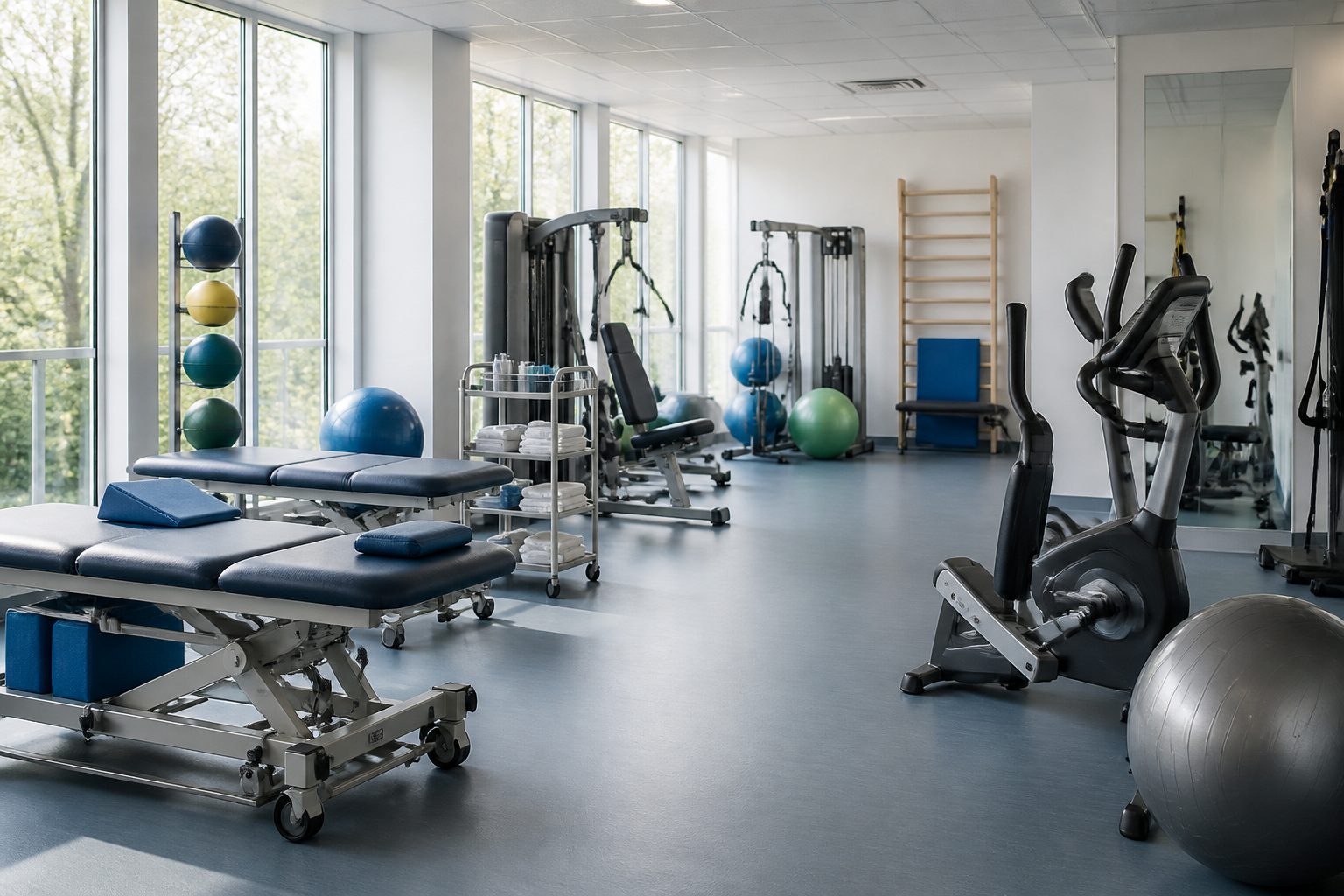
Patients and families considering rehabilitation, elderly care, or home healthcare in Canada face a wide range of fees. This guide compares the costs for inpatient rehab hospitals, physiotherapy clinics, nursing homes, assisted living, and home-based care in Canada—plus how these prices measure up internationally.
Expect to pay from $80-$120 (CAD 110-160) per physiotherapy session, $4,000-$8,000 (CAD 5,400-10,800) per month for private nursing homes, and $25-$50 (CAD 35-70) per hour for home nursing. Public funding covers some care, but many services are paid out-of-pocket or via private insurance.
Understanding rehabilitation care in Canada
Rehabilitation care in Canada encompasses a broad spectrum of services designed to help patients regain function, independence, and quality of life after illness, injury, or surgery. The main types of rehabilitation include inpatient rehabilitation hospitals (often for post-surgery, stroke, or traumatic injury recovery), outpatient clinics offering physiotherapy, occupational therapy, and speech therapy, long-term nursing homes for those requiring ongoing medical supervision, assisted living facilities for seniors needing moderate support, and home-based nursing or palliative care for those who prefer to remain at home.
Canada’s public healthcare system (Medicare) covers some rehabilitation costs, particularly for inpatient stays following acute hospitalizations or certain surgeries. However, public funding is limited for outpatient therapies, private long-term care, and many home care services, leading many Canadians to pay privately or use supplemental insurance to access timely or specialized care. For example, while an inpatient rehabilitation stay may be publicly funded for a limited period, ongoing physiotherapy or occupational therapy sessions often require out-of-pocket payment, especially after the initial acute phase.
Each care type has its own pricing model. Inpatient rehabilitation is typically charged as a daily or monthly rate, which may range from $300 to $700 per day for private pay. Outpatient clinics usually bill per session, with physiotherapy costing $60 to $120 per visit depending on location and provider qualifications. Nursing homes and assisted living facilities charge monthly, with fees varying widely based on province, level of care, and amenities—from $2,000 to $7,000 or more per month. Home care is generally billed hourly or per visit, with rates influenced by the complexity of care and geographic region.
Understanding exactly what is included in each fee—such as meals, nursing care, therapies, medications, and personal support—is essential for accurate budgeting. Some services, like recreational programs or advanced therapies, may incur additional charges. Being informed about these distinctions will help you make the best choice for yourself or your family member while avoiding financial surprises.
Cost comparison: Canada vs other countries
Canada’s rehabilitation and elderly care services are considered high quality, but also among the more expensive worldwide. Compared to the US, Canadian private rehab and care fees are often lower, but still significantly higher than in India, the Philippines, or Eastern Europe. The table below shows typical costs for major services in Canada, the US, UK, India, and the Philippines. All costs are in USD for easy comparison and are indicative averages. Local currency equivalents are shown for Canada.
| Service | Canada (CAD) | USA | UK | India | Philippines |
|---|---|---|---|---|---|
| Inpatient rehab (per day) | $250-$400 (CAD 340-540) | $500-$1,200 | $300-$500 | $40-$80 | $60-$100 |
| Physiotherapy (per session) | $80-$120 (CAD 110-160) | $100-$250 | $60-$120 | $8-$20 | $10-$30 |
| Private nursing home (monthly) | $4,000-$8,000 (CAD 5,400-10,800) | $7,000-$12,000 | $4,500-$7,000 | $500-$1,200 | $600-$1,500 |
| Assisted living (monthly) | $2,500-$5,000 (CAD 3,400-6,800) | $3,000-$7,000 | $3,000-$5,000 | $400-$1,000 | $500-$1,200 |
| Home nursing (per hour) | $25-$50 (CAD 35-70) | $30-$75 | $25-$45 | $3-$8 | $4-$10 |
| Palliative care (per visit/home) | $120-$250 (CAD 160-340) | $200-$500 | $100-$200 | $10-$40 | $15-$40 |
What is included in Canadian rehab centre fees
Inpatient rehabilitation hospitals in Canada usually include accommodation, meals, nursing care, daily therapy sessions (such as physiotherapy, occupational therapy, and speech therapy), and access to medical staff in their daily or monthly rates. Some facilities offer private rooms at a premium. Medications, diagnostic imaging, special equipment, or additional personal care may incur extra charges.
Physiotherapy clinics typically charge per session, which covers one-on-one time with a registered physiotherapist and use of gym equipment. Assessment and follow-up appointments may be billed separately. Some clinics offer package rates for a series of sessions. Home healthcare services charge by the hour, and fees include nursing care, basic medical support, and sometimes personal care. Night shifts, holidays, and specialized nursing (such as wound care or dementia care) may cost more.
Hidden costs and what to ask before committing
Before committing to a rehabilitation centre or elderly care provider in Canada, it’s crucial to identify all potential hidden costs that might not be apparent in initial quotes. For inpatient rehabilitation, clarify whether the daily or monthly fee includes all medications, personal hygiene supplies, laundry services, and specialized therapies such as hydrotherapy, occupational therapy, or speech-language pathology. Some centres only include basic care in their base rate, with additional charges for advanced or intensive therapies tailored to specific conditions (like neurological rehab or complex wound care).
In nursing homes, extra costs can accumulate for items and services not covered by the provincial base rate. Ask if you’ll be billed separately for incontinence products, personal grooming (hairdressing, nail care), social outings, entertainment, or upgraded private or semi-private rooms. Even seemingly minor extras, such as cable television, internet access, or special dietary accommodations, can add substantially to monthly bills.
For outpatient physiotherapy or occupational therapy, inquire whether the initial assessment is included in the advertised session rate, or if it’s billed separately. Also, ask about the cost of exercise bands, braces, splints, or home exercise equipment, as these are often necessary for effective rehabilitation but not always included. Some clinics may also charge for progress reports or communication with your doctor.
Home healthcare agencies frequently have additional fees for travel time (especially in rural or remote areas), minimum visit durations, or after-hours and weekend care. Assisted living facilities typically bundle rent, meals, and basic care in their monthly fee, but services like medication management, bathing assistance, or mobility support may be charged à la carte. Always request a comprehensive, itemized written quote, and ask for a clear breakdown of all potential monthly or per-session charges. This transparency will help you avoid financial surprises and ensure you’re comparing providers on an equal basis.
How to save on rehabilitation and elderly care fees
In Canada, some rehab and elderly care services are covered by public health insurance, especially after hospital stays or for low-income seniors. Check eligibility for provincial programs (such as Ontario’s Home and Community Care Support Services). Using government-funded options may reduce or eliminate out-of-pocket fees, but often comes with waitlists and limited service hours.
If you need faster access or more intensive care, private services are widely available. To save, compare several facilities and ask about package discounts for longer stays or bulk physiotherapy sessions. Some private insurance plans may reimburse part of the costs, especially for physiotherapy or nursing care. Tax credits and deductions for medical expenses can also help offset the cost—consult a Canadian accountant or tax advisor for details. Consider sharing home care among family members or using adult day programs to reduce full-time care needs.
How Canadian rehab and elderly care costs compare worldwide
Canadian rehabilitation and elderly care fees occupy a middle ground on the global cost spectrum. Compared to the United States, Canadian centres generally offer lower costs for both inpatient and outpatient rehabilitation, as well as long-term elderly care. For example, a private inpatient rehabilitation stay in Canada may cost between $300 and $700 per day, while similar care in the US can easily exceed $1,000 per day. However, Canada’s prices are higher than in many Asian countries, such as India or the Philippines, where private care can be a fraction of Canadian rates, often due to lower labor and infrastructure costs.
Patients from the US sometimes seek complex rehabilitation in Canada, attracted by high standards and relatively lower costs, but Canada is rarely chosen for budget care. Asian countries are popular for medical tourism primarily because of low fees, but these savings can come with trade-offs in regulatory oversight, language barriers, and variable care quality.
Canada’s regulatory environment is a significant advantage. Accredited centres must adhere to rigorous national and provincial standards for patient safety, infection control, and staff training. This is especially important for vulnerable populations such as seniors or those with complex medical needs, where substandard care can have serious consequences.
For international patients, Canada is not a typical destination for rehabilitation or long-term care, largely due to high fees, limited insurance portability, and restrictive visa policies. However, expatriate Canadians or those returning home often prefer local care for language familiarity, cultural comfort, and proximity to family. When comparing international costs, always check what is included in the quoted price: Canadian fees often bundle comprehensive services—such as multidisciplinary therapy, meals, and nursing—while other countries may charge separately for each component.
Choosing the right centre or provider
Choosing the right rehabilitation centre or care provider in Canada involves more than simply finding a convenient location. Begin by thoroughly assessing the patient’s specific needs: consider the level of medical complexity (such as post-surgical care, stroke recovery, or chronic illness management), the rehabilitation goals (for example, regaining mobility, improving speech, or maintaining independence), and the required intensity of personal care. Decide on the preferred setting—options range from specialized hospital-based rehab units, community clinics, to in-home care, each with different cost implications and service scopes.
Verify that the centre or provider is accredited by reputable organizations such as Accreditation Canada or relevant provincial regulatory bodies. Accreditation ensures adherence to national standards for safety, cleanliness, and quality of care. It’s also important to check if the provider has extensive experience with your specific condition or age group; for instance, facilities specializing in geriatric care will be better equipped to handle elderly patients’ unique needs.
For elderly care, look beyond medical credentials. Investigate staff-to-patient ratios—lower ratios generally mean more personalized attention but may come with higher fees. Assess the quality of meals, dietary accommodations, and the variety of recreational or therapeutic activities available, as these greatly affect quality of life and overall outcomes. When possible, visit the facility in person to observe cleanliness, staff interactions, and resident engagement, or request a virtual tour if travel is not feasible.
Ask detailed questions about staff qualifications, ongoing training, emergency protocols, and infection control measures—especially important in the wake of COVID-19. For home care, ensure that nurses or aides are insured, background-checked, and have up-to-date certifications. Carefully review contracts, paying special attention to policies on fee increases, refund conditions, and discharge procedures. While online reviews can offer some insight, prioritize recommendations from trusted healthcare professionals or social workers familiar with local options.
Planning and budgeting for care
Effective planning and budgeting for rehabilitation or elderly care in Canada requires a comprehensive approach to avoid unexpected financial strain. Begin by itemizing all anticipated costs: this includes not only the primary fees for inpatient stays, therapy sessions, or home visits, but also secondary expenses such as medical supplies (wheelchairs, wound dressings), personal hygiene items, transportation to and from appointments, and specialized dietary needs. Be aware that rehabilitation centres may charge extra for amenities like private rooms, advanced therapies, or recreational activities.
Construct a detailed monthly or annual budget. Factor in the frequency and duration of care—long-term stays in nursing homes or ongoing outpatient therapy can quickly escalate in cost. Set aside an emergency fund for unforeseen health setbacks, equipment repairs, or sudden changes in care needs. If you are relying on provincial public healthcare coverage, familiarize yourself with its limitations: for example, British Columbia and Ontario may cover some inpatient rehab costs, but outpatient physiotherapy, occupational therapy, or home care services often require out-of-pocket payment or private insurance.
For those considering private care, expect higher flexibility and shorter wait times, but also significantly increased fees. Compare the costs of public versus private centres, and ask about payment plans or financial assistance programs—some provinces and non-profits offer subsidies based on income or medical necessity.
If you are an international patient or a Canadian returning from abroad, include travel expenses, temporary accommodation for family members, and the cost of private insurance (as government coverage may not apply immediately). Some provinces offer partial reimbursement for medically necessary out-of-country care, but this is typically limited and subject to strict eligibility criteria. Always insist on a written contract detailing all services, fees, and refund policies, and keep meticulous records of payments and correspondence for future reference or insurance claims.
Frequently asked questions
How much does inpatient rehabilitation cost in Canada?
Private inpatient rehabilitation centres in Canada usually charge $250-$400 (CAD 340-540) per day, or $7,500-$12,000 (CAD 10,200-16,200) per month. Publicly funded beds may be free or have a small co-pay, but access is limited and prioritised for medically complex cases.
Are physiotherapy sessions covered by Canadian health insurance?
Public health insurance covers physiotherapy after certain surgeries or hospital stays, and for some low-income seniors. Most outpatient physiotherapy is paid privately or through employer health plans, at $80-$120 (CAD 110-160) per session.
What is included in Canadian nursing home fees?
Monthly fees cover accommodation, meals, basic nursing care, and social activities. Extras such as medications, personal care items, outings, and private rooms may cost more. Always ask for a full breakdown before admission.
Can international patients use Canadian rehabilitation centres?
Canada does not actively promote rehab for medical tourists, and private fees are high. International patients may be accepted for specialized care but must pay out-of-pocket and arrange their own visas and accommodation. Priority is given to Canadian residents.
How can I reduce my out-of-pocket costs for rehab or elderly care in Canada?
Use public programs where eligible, compare private providers for discounts, check if private insurance covers part of the cost, and claim available tax credits. Planning ahead and sharing care among family can also help manage expenses.
Related guides
Disclaimer: Prices are indicative averages only. Actual fees vary by centre, city, and individual case. Always request a written quote and consult a qualified healthcare professional before making decisions.