
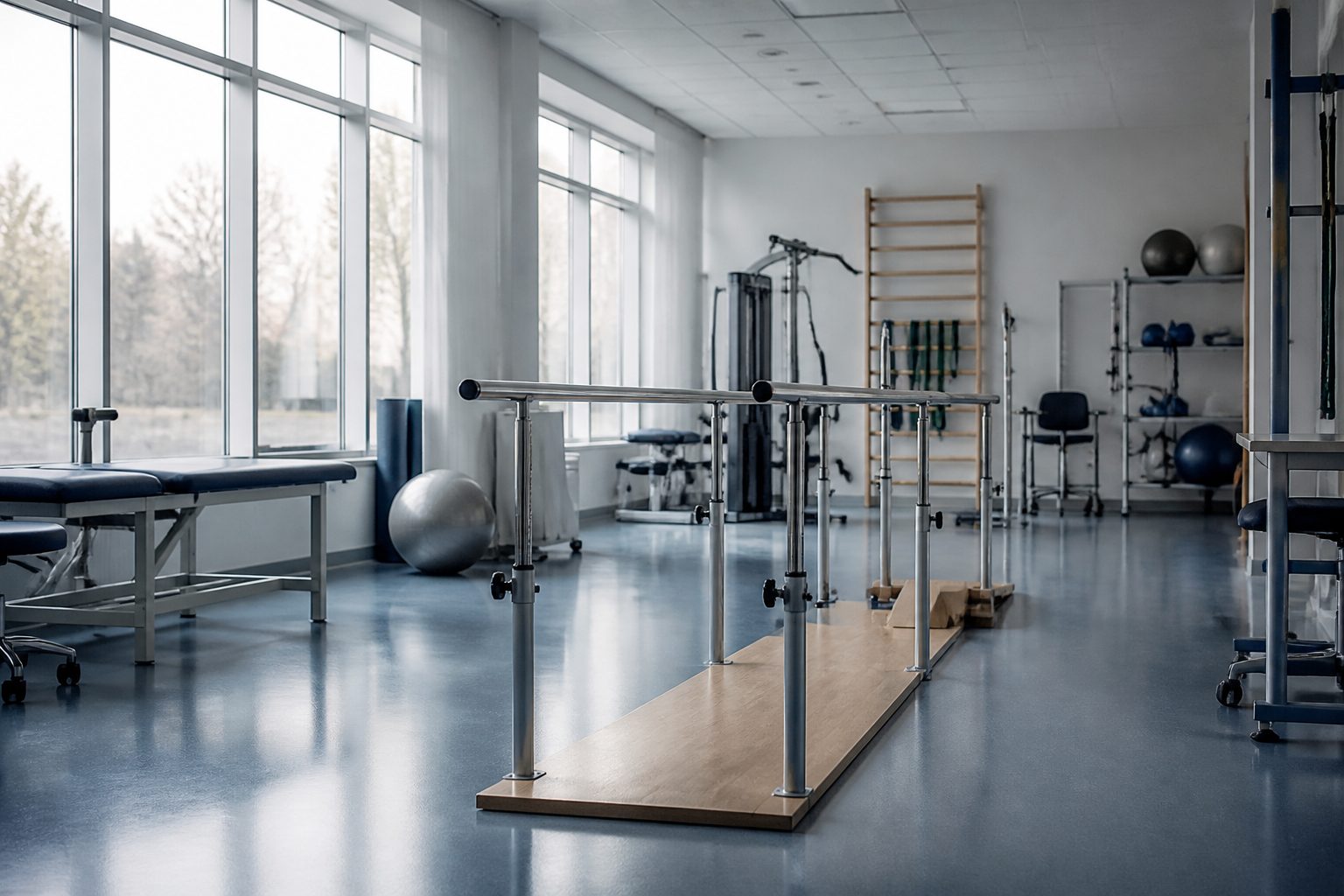
Patients and families planning rehabilitation after hip replacement surgery need clear information on costs, choices, and what to expect. This guide compares typical expenses and care options in India and the USA, covering physiotherapy, rehab hospitals, nursing homes, home healthcare, and elderly care.
For most patients, the cost of post-hip replacement rehabilitation ranges from $200-$800 (₹16,500-66,000) per month in India for basic physiotherapy, and $3,000-$15,000 per month in the USA, with significant variation based on setting and intensity.
Understanding rehabilitation after hip replacement
Rehabilitation after hip replacement surgery is a critical phase that significantly influences the overall success of the procedure, functional recovery, and the patient’s quality of life. The primary goals of rehabilitation are to restore joint mobility, rebuild muscle strength, improve balance, and help patients regain independence in daily activities. This process is especially important for elderly patients, who may face additional challenges such as frailty, pre-existing conditions, or limited social support.
Rehabilitation can occur in several settings, each with its own cost structure and intensity of care. Inpatient rehabilitation hospitals offer comprehensive, round-the-clock therapy and medical supervision, making them suitable for patients with complex needs or those lacking adequate home support. Outpatient physiotherapy clinics are commonly used for patients who are mobile enough to travel and require less intensive supervision. Nursing homes and assisted living facilities may also provide rehabilitation services, typically catering to elderly or chronically ill individuals who need both medical and daily living assistance. Increasingly, home-based rehabilitation is an option, where physiotherapists and nurses visit the patient’s residence, allowing recovery in a familiar environment and often reducing costs.
The choice of setting depends on several factors: the patient’s overall health, the presence of comorbidities, the availability of family or caregiver support, geographic location, and budget constraints. In the initial weeks after surgery, rehabilitation involves daily physiotherapy sessions focusing on gentle exercises, pain management, wound care, and basic mobility training. Patients may need help with bathing, dressing, and toileting. As recovery progresses, therapy sessions become less frequent but remain crucial for maximizing long-term outcomes. In both India and the USA, the structure, duration, and cost of rehabilitation can vary widely, influenced by local healthcare infrastructure, insurance coverage, and the availability of trained professionals. Patients and families should carefully assess their needs and resources to choose the most appropriate and effective rehabilitation path.
Key cost components in India and the USA
Rehabilitation costs are shaped by several factors. In both India and the USA, the main components include:
- Inpatient rehabilitation hospital stays (short-term, intensive therapy)
- Outpatient physiotherapy (clinic visits after hospital discharge)
- Home physiotherapy (therapist visits at home)
- Nursing home or assisted living stays (for patients needing daily support)
- Home nursing or elderly care attendants
- Palliative or supportive care for complex cases
Prices vary by city, facility reputation, therapist experience, and whether care is delivered in a hospital, clinic, or at home. In the USA, insurance coverage (Medicare, private insurance) can offset some costs, but out-of-pocket expenses can still be high. In India, most costs are paid directly by families, though some insurance policies may cover limited rehab services.
Cost comparison: India vs USA (2024)
The table below compares typical 2024 costs for common rehabilitation services after hip replacement in major cities in India and the USA. All prices are indicative and can vary by location, facility type, and individual needs. USD conversions for Indian prices are based on ₹83/USD.
| Service | India (INR/USD) | USA (USD) | Inclusions |
|---|---|---|---|
| Inpatient rehab hospital (per day) | ₹4,000-10,000 ($48-$120) | $800-$2,500 | Room, nursing, 2-3 physio sessions/day, meals |
| Outpatient physiotherapy (per session) | ₹500-2,000 ($6-$24) | $100-$350 | 45-60 min session, therapist fees |
| Home physiotherapy (per session) | ₹800-2,500 ($10-$30) | $120-$400 | Therapist visit, basic equipment |
| Nursing home/assisted living (per month) | ₹35,000-1,00,000 ($420-$1,200) | $4,500-$15,000 | Room, meals, basic nursing, some physio |
| Home nursing/attendant (per month) | ₹18,000-45,000 ($215-$540) | $4,000-$8,000 | 12-24 hr attendant, basic care, no physio |
| Palliative care (per month) | ₹30,000-70,000 ($360-$850) | $5,000-$12,000 | Symptom relief, support, nursing, basic therapy |
What is included and excluded in typical prices
When evaluating the cost of rehabilitation after hip replacement, it’s crucial to understand exactly what is included in the quoted prices and what may incur additional charges. In both India and the USA, typical prices for inpatient rehabilitation cover accommodation, daily nursing care, standard meals, and scheduled physiotherapy or occupational therapy sessions. This package usually includes basic medical supervision, routine monitoring, and access to common rehabilitation equipment. However, there are often extra costs for medications, laboratory tests, imaging (such as X-rays or blood tests), and consultations with specialists, which are billed separately. Special dietary requirements—such as diabetic or renal diets—may also attract surcharges.
Some high-end facilities, especially in metropolitan areas or private hospitals, may offer premium services like hydrotherapy, advanced robotic-assisted therapy, or individualized pain management programs. These services can significantly enhance recovery but are typically not included in the base price and come at a premium. In the USA, some rehabilitation centers may include social work support, counseling, or group therapy as part of their standard offerings, while in India, these services are more often add-ons.
For outpatient or home-based physiotherapy, the quoted fee generally covers the therapist’s time, travel (in the case of home visits), and use of basic equipment such as exercise bands or weights. Advanced therapies—like gait training with computerized devices, electrotherapy, or ultrasound—may be charged separately. Home nursing or attendant fees usually exclude the cost of medical consumables such as catheters, adult diapers, wound dressings, and emergency call-outs. Assisted living facilities may offer rehabilitation as an optional extra or as part of a comprehensive care package, so always verify what is included in the quoted fee. Asking for a detailed, itemized breakdown in writing helps prevent surprises and allows for better budgeting and insurance claims.
Rehabilitation hospitals and clinics in India
India’s major cities such as Delhi, Mumbai, Bangalore, and Chennai offer a diverse range of rehabilitation options for hip replacement patients. Large multispecialty hospitals often house dedicated rehabilitation departments staffed by experienced physiotherapists, occupational therapists, and rehabilitation physicians. These departments typically provide structured post-operative programs that include strength and mobility exercises, gait training, pain management, and patient education. Some hospitals also offer advanced modalities like hydrotherapy pools, robotic gait training systems, and electrotherapy equipment, which can accelerate recovery for suitable candidates.
Standalone rehabilitation hospitals and specialty physiotherapy clinics are also common in urban centers. These facilities may provide intensive, short-term rehabilitation programs specifically designed for joint replacement recovery. Services often include personalized exercise regimens, group therapy sessions, and access to state-of-the-art equipment. For patients unable to travel or those preferring the comfort of home, many cities have home care agencies that send trained physiotherapists and nursing attendants for daily or weekly visits. This model is particularly popular among elderly patients or those with limited mobility, as it reduces the risks and inconvenience of travel.
Costs for rehabilitation in India are generally much lower than in the USA, but there is significant variation in quality. Families should seek out facilities or therapists accredited by the National Accreditation Board for Hospitals & Healthcare Providers (NABH) or those affiliated with reputable hospitals. Accreditation ensures adherence to safety and quality standards. When hiring home attendants, prioritize agencies with rigorous background checks and ongoing staff training. Always request references and, if possible, visit the facility or meet the therapist in advance to assess the environment and approach to care.
Options for elderly care and home healthcare
After hip replacement, elderly patients may need more than just physiotherapy. In India, options include short-term stays in nursing homes, hiring live-in attendants, or using home healthcare agencies for daily support. Some assisted living facilities offer post-surgical rehabilitation packages with on-site therapists and 24/7 care. Home nursing is a cost-effective solution for families who can provide some support but need help with bathing, transfers, and medication management.
In the USA, skilled nursing facilities (SNFs) and assisted living communities provide similar services, but at a much higher monthly cost. Medicare may cover short-term stays after surgery for eligible patients, but long-term care is usually out-of-pocket. Home health agencies in the USA offer visiting nurses and therapists, often coordinated through discharge planning at the hospital.
Hidden costs and how to save safely
When planning for rehabilitation after hip replacement, it’s important to look beyond the headline costs of therapy sessions or hospital stays. Hidden expenses can accumulate rapidly and may catch families off guard if not anticipated. Common hidden costs include prescription medications for pain, inflammation, or blood thinning, which are often not bundled into rehab packages. Walking aids such as crutches, walkers, or canes are typically purchased separately, and the need for these devices can extend for weeks or months. Home modifications—such as installing ramps, grab bars, or non-slip flooring—are essential for safety but can add significant upfront costs. Additional doctor visits for follow-up or complications, as well as diagnostic tests, may also not be included in standard rehabilitation fees.
Transportation is another major factor, especially if the patient requires frequent trips to outpatient clinics or therapy centers. In India, costs can be kept in check by selecting reputable mid-tier facilities or therapists who offer quality care without the premium pricing of luxury hospitals. Always request detailed written estimates, specifying what is included and excluded, and clarify the frequency and duration of therapy sessions. Inquire about package deals or discounts for multiple sessions. For home care, verify the credentials and experience of attendants or nurses; reputable agencies often cost more but provide greater safety and reliability.
In the USA, leveraging insurance is key. Use in-network providers to minimize out-of-pocket costs, and confirm coverage for all aspects of rehabilitation—including outpatient therapy, home care, and necessary equipment—before committing. Ask whether therapy sessions can be bundled into a package rate, and whether telehealth follow-ups are an option to reduce travel expenses. For those on Medicare, understand the specific benefits and limits for post-acute rehabilitation. Finally, while seeking savings, avoid the temptation to choose the lowest-cost providers if it means compromising on quality or safety, as poor care can lead to setbacks or complications that ultimately increase expenses.
How to choose the right rehabilitation option
The best rehabilitation setting depends on age, general health, home support, and budget. Younger or healthier patients may do well with outpatient physiotherapy and minimal home support. Elderly or frail patients, or those living alone, may need inpatient rehab or full-time attendants. In both India and the USA, look for facilities with experienced, credentialed therapists, and good nurse-to-patient ratios. Ask about emergency protocols, infection control, and access to medical care if complications arise.
Check for accreditations such as JCI (USA/international) or NABH (India) if available. Read reviews, visit the facility if possible, and ask for references. Ensure the chosen option matches the patient’s language, cultural, and dietary needs. For home care, insist on background checks and clear contracts.
Planning tips for families and patients
Effective planning is essential to ensure a smooth and successful rehabilitation journey after hip replacement surgery. Start preparations well before the surgery date to avoid last-minute stress and delays. One of the first steps is to book physiotherapy or rehabilitation appointments in advance, particularly if you’re aiming for popular or highly rated providers, as slots can fill up quickly. If home modifications such as ramps, grab bars, or bathroom adjustments are needed, arrange for these changes before the patient is discharged. Purchasing or renting mobility aids—like walkers, crutches, or shower chairs—should also be completed ahead of time to support immediate post-surgery mobility.
In India, it’s wise to have a detailed discussion with the surgeon and the hospital’s social worker about recommended rehabilitation centers or trusted physiotherapists. Many hospitals have tie-ups with rehab facilities and can provide referrals or package deals. In the USA, collaborate closely with the hospital’s case manager or discharge planner, who can help arrange post-acute care, secure insurance approvals, and coordinate with outpatient therapy providers. Make sure to clarify what services are covered by insurance or Medicare, and obtain pre-authorizations if required to avoid claim denials.
During the rehabilitation period, monitor the patient’s progress weekly, keeping a log of therapy sessions, improvements, and any setbacks. This helps in adjusting the rehab plan as needed and provides documentation for insurance claims. Keep all receipts and records organized for reimbursement or tax purposes. Plan for at least 2-3 months of ongoing therapy, recognizing that elderly patients or those with other health issues may require longer support. Encourage active family involvement: relatives can assist with exercises, provide emotional support, and help prevent isolation, all of which contribute to a more successful and cost-effective recovery.
Frequently asked questions
How long does rehabilitation after hip replacement usually take?
Most patients require at least 6-12 weeks of structured rehabilitation after hip replacement. Younger or healthier individuals may recover faster, while elderly or frail patients may need several months of therapy and support to regain full mobility and confidence.
Is home physiotherapy as effective as clinic-based therapy?
For many patients, home physiotherapy can be as effective as clinic sessions, especially with experienced therapists and a safe environment. However, clinics may offer advanced equipment and more frequent supervision, which can benefit complex cases or those with slower progress.
What should I look for in a rehabilitation centre or therapist?
Look for centres with experienced, credentialed physiotherapists, a good safety record, and clear protocols for emergencies. Accreditation (NABH in India, JCI in the USA) is a plus. Patient reviews, transparent pricing, and a multidisciplinary team are also important factors.
Does insurance cover rehabilitation costs?
In the USA, Medicare and some private insurance plans may cover short-term inpatient rehab, outpatient physiotherapy, or home health services, but there are limits. In India, most rehab expenses are paid out-of-pocket, though some health insurance plans may cover limited post-surgical physiotherapy or nursing care.
What are the signs that more intensive rehab or elderly care is needed?
If the patient struggles with basic activities, has repeated falls, or cannot manage safely at home, consider inpatient rehab, nursing home care, or hiring a full-time attendant. Delayed progress, severe pain, or medical complications also warrant more intensive support and medical review.
Related guides
Disclaimer: Prices and services listed above are indicative and vary by individual case, location, and facility. Always obtain a written quote and consult a qualified doctor or rehabilitation specialist before choosing a rehab or care provider.