
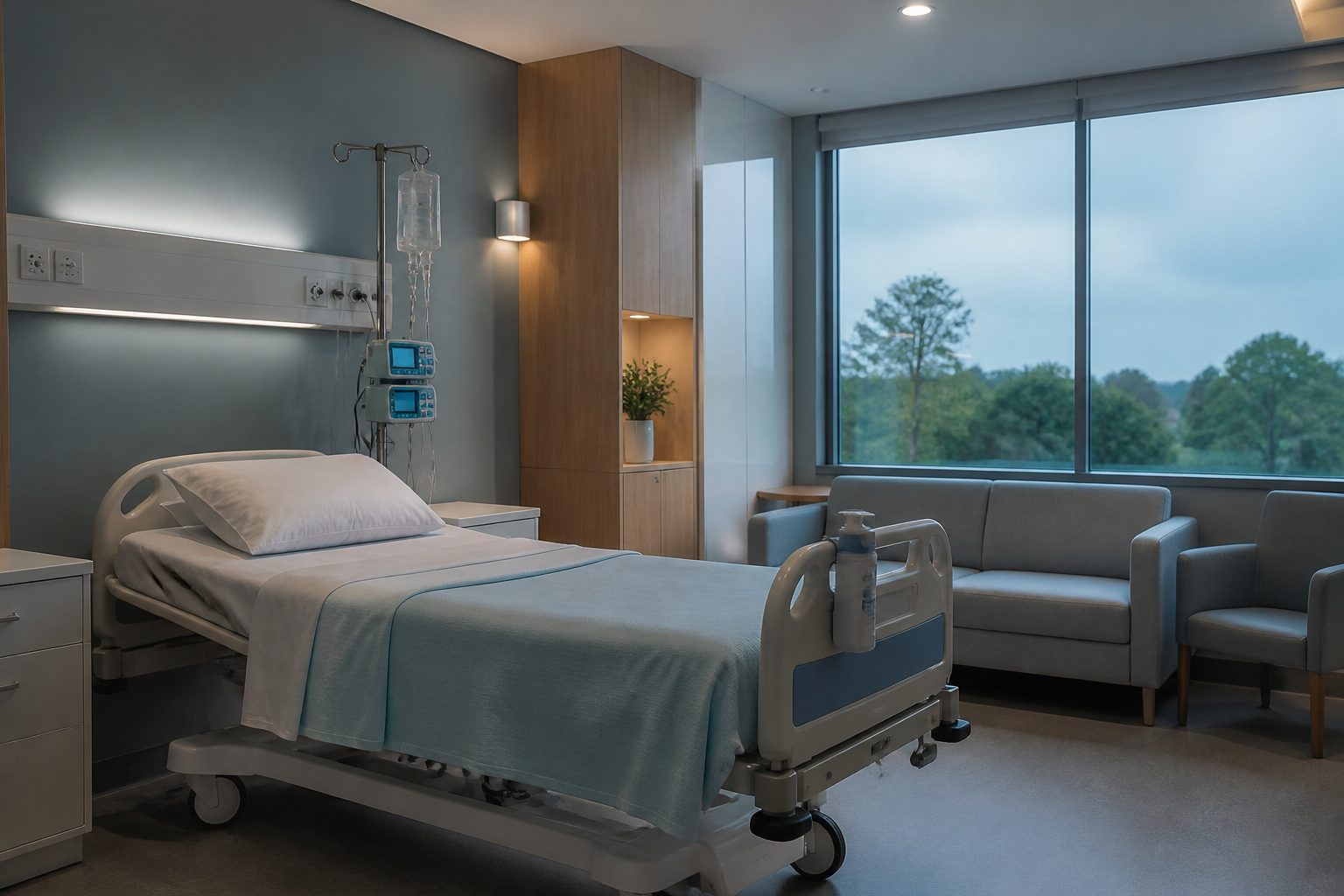
Cancer palliative care in Turkey and India offers a range of services, from physiotherapy and rehabilitation to home nursing and elderly care. If you’re considering these countries for palliative or supportive care, typical monthly costs range from $400 to $2,800 depending on the level of care, facility type, and location.
This guide compares what’s included, expected per-session or monthly pricing, and practical considerations for patients and families seeking cancer palliative care abroad.
What cancer palliative care covers in Turkey and India
Cancer palliative care in Turkey and India is designed to enhance the quality of life for patients facing advanced illness by addressing physical, psychological, and social needs. The scope of services goes well beyond basic medical care. In both countries, care can be delivered in a variety of settings, each with its own cost structure and level of support:
- Hospital-based palliative units: These are typically located within larger hospitals and provide intensive symptom management, pain control, and 24/7 nursing. They are best suited for patients with complex needs or those requiring frequent medical interventions.
- Dedicated rehabilitation hospitals and physiotherapy clinics: These facilities focus on helping patients regain mobility, manage cancer-related fatigue, and recover from treatment side effects. In urban Turkey and India, such centers often have multidisciplinary teams including physiotherapists, occupational therapists, and nutritionists.
- Nursing homes and assisted living: These offer long-term care, medication management, assistance with daily living activities, and regular medical supervision. Some may have in-house palliative care specialists or visiting doctors.
- Home healthcare services: Increasingly popular in both countries, these services bring nursing, pain management, wound care, and even some therapies into the patient’s home. This model is especially prevalent in larger Indian cities and is also expanding in Turkey.
Core services commonly included are pain and symptom management (using both medications and non-pharmacological approaches), physiotherapy and occupational therapy, psychological counseling for patients and families, and social work support. Both Turkey and India have invested in training palliative care teams to address the holistic needs of cancer patients, although the depth and sophistication of services can vary greatly. Urban centers like Istanbul, Ankara, Mumbai, and Delhi tend to offer the most comprehensive care, with access to advanced technologies, multidisciplinary teams, and international patient coordinators. In contrast, rural areas may have more limited resources and may rely on basic nursing and symptom control.
For international patients, many top hospitals and private providers have English-speaking staff and are familiar with the needs of medical tourists. However, it is essential to verify the range of services available at your chosen facility, as not all providers offer the same level of psychological or social support, and some may lack advanced pain management options.
Types of facilities and services offered
Cancer palliative care in Turkey and India is not restricted to traditional hospital stays; a diverse range of facilities and services is available to meet different patient needs and budgets. The choice of facility depends on the patient’s medical condition, the level of family support, and financial considerations. Here are the main types of facilities and services you can expect in both countries:
- Rehabilitation hospitals: These specialized centers focus on helping cancer patients recover after surgery or intensive treatment. Services include physiotherapy, occupational therapy, pain management, and nutritional counseling. Rehabilitation hospitals are best suited for patients who need to regain mobility, manage treatment side effects, or rebuild strength before returning home. In Turkey, these facilities are often found in major cities, while in India, both standalone and hospital-affiliated rehab centers are common.
- Physiotherapy clinics: Outpatient or home-based physiotherapy is widely available in urban areas. These clinics help manage chronic pain, improve mobility, and address cancer-related fatigue. In India, some clinics also offer alternative therapies such as yoga or Ayurveda alongside conventional physiotherapy, which may appeal to certain patients.
- Nursing homes and assisted living: For patients who require long-term or 24/7 care, nursing homes provide round-the-clock medical supervision, medication management, and assistance with daily living activities (bathing, dressing, feeding). Many have in-house physiotherapists, regular doctor visits, and palliative care-trained nurses. Assisted living facilities offer similar services but with more independence and often cater to those with less intensive needs.
- Home healthcare: This option brings medical, nursing, and rehabilitation services directly to the patient’s home. Services can include administration of medications, wound care, pain management, and even short-term physiotherapy. Home healthcare is especially popular in metropolitan areas, offering flexibility and comfort for both patients and families. In both Turkey and India, agencies can customize care plans and provide trained caregivers or nurses as needed.
Urban centers in both countries—such as Istanbul, Ankara, Mumbai, and Delhi—typically offer a wider range of high-standard facilities, often with multilingual staff and experience in treating international patients. In more rural or secondary cities, options may be more limited, but costs are generally lower. When choosing a facility, consider the patient’s specific medical requirements, the proximity to family or support networks, and the provider’s reputation for quality and safety. Always visit the facility if possible, review patient testimonials, and ensure that the staff are properly trained in palliative care and emergency response.
Monthly and per-session costs: Turkey vs India
Costs vary by city, facility type, and service complexity. Turkey’s palliative care sector is mostly private, with a few public options in major cities. India’s sector is a mix of private, charitable, and government providers, resulting in a wider price range.
Below is a comparison of typical costs for the main types of palliative care services. Prices are indicative and may be higher in premium facilities or for complex cases.
| Service Type | Turkey (USD & TRY) | India (USD & INR) | What’s Included |
|---|---|---|---|
| Rehab hospital (monthly) | $2,000–$2,800 (₺65,000–91,000) | $700–$1,500 (₹58,000–125,000) | Room, nursing, daily physiotherapy, doctor visits, meals |
| Physiotherapy clinic (per session) | $25–$60 (₺800–1,950) | $10–$25 (₹800–2,100) | 45–60 minute session, basic equipment use |
| Nursing home/assisted living (monthly) | $1,200–$2,100 (₺39,000–68,000) | $400–$900 (₹33,000–75,000) | 24/7 nursing, meals, activities, basic medical care |
| Home nursing (per visit) | $35–$70 (₺1,100–2,300) | $12–$30 (₹1,000–2,500) | 1–2 hour nurse visit, medication, wound care |
| Home palliative care (monthly) | $1,100–$1,900 (₺36,000–62,000) | $350–$800 (₹29,000–67,000) | Regular nurse/doctor visits, physiotherapy, counseling |
What is included and excluded in the price
Understanding exactly what your palliative care payment covers is essential to avoid unexpected expenses. In both Turkey and India, most inpatient palliative care facilities (such as hospitals and nursing homes) advertise all-inclusive monthly rates. These typically encompass accommodation, daily meals, routine nursing care, basic physiotherapy, and regular doctor visits. Pain management, symptom control, and some essential medications are usually part of the standard package, especially in urban centers with established palliative care protocols.
However, there are important exclusions to be aware of. Advanced cancer treatments like chemotherapy, radiotherapy, or targeted therapies are rarely included in standard palliative care rates. If these become necessary, they are billed separately, and costs can be substantial, particularly in Turkey where imported drugs and high-tech treatments command premium prices. Similarly, expensive or non-generic medications—such as certain painkillers, antiemetics, or biological drugs—may require out-of-pocket payment.
One-on-one specialist consultations, such as visits from oncologists, pain specialists, or psychiatrists, may also be considered extra, especially if they fall outside the facility’s routine care protocol. Diagnostic tests (imaging, blood work) performed for ongoing assessment are often not included and can add up quickly.
For outpatient and home healthcare services, the quoted rates generally cover the healthcare professional’s time and basic equipment for routine care. However, consumables like wound dressings, catheters, IV fluids, and syringes are frequently billed per use or as a separate monthly charge. In India, some providers include travel costs for home visits within city limits, but in Turkey and rural Indian regions, additional travel charges are common and can be significant for frequent visits.
Always clarify whether emergency interventions—such as hospital transfers, ambulance services, or after-hours care—are part of your package. If not, ask for a price list for these services. To protect yourself, insist on a written breakdown of what is included and excluded, and review your contract for any ambiguous terms before making payments.
Hidden costs and extra charges
When budgeting for cancer palliative care in Turkey and India, it is crucial to look beyond the headline rates, as several hidden costs and extra charges can significantly increase your overall expenses. Even in reputable hospitals and care facilities, the initial quote may not reflect the full financial picture. These hidden costs often arise from the need for services or items that fall outside of the standard care package, and they can vary widely depending on the patient’s condition, preferences, and location.
- High-cost medications: Many cancer patients require specialized drugs for pain management or symptom control. If these medications are not on the facility’s standard formulary, you may need to pay out of pocket or import them at a premium, especially in Turkey where imported drugs can be expensive.
- Specialized equipment: Renting or purchasing items like adjustable hospital beds, oxygen concentrators, or mobility aids is often necessary for home care. In India, while basic equipment may be affordable, advanced devices or imported brands can be costly, and rental fees can add up over time.
- Personal hygiene and incontinence supplies: Items such as adult diapers, skin care products, and disposable bed pads are rarely included in standard rates in either country, and ongoing use can represent a significant monthly expense.
- Transport: Costs for ambulance services, hospital appointments, or emergency transfers are usually billed separately. In rural areas of Turkey and India, these charges can be higher due to longer distances and limited availability.
- Additional therapy sessions: While basic physiotherapy or occupational therapy is often included, any sessions above the standard plan—especially if delivered at home—will incur extra fees. These can be substantial for patients needing intensive rehabilitation.
- Interpreter services: For international patients or those who do not speak the local language, interpreter fees can be a significant but often overlooked cost, particularly in Turkish or regional Indian hospitals where English proficiency may vary.
To avoid surprises, always request a detailed, itemized estimate from your provider. Ask specifically which services, consumables, and equipment are not covered in the quoted price. Some facilities, especially in larger Turkish and Indian cities, may offer bundled package deals that cover common extras at a reduced rate. Before committing, compare these packages and clarify payment terms. Also, inquire about the process for handling unexpected needs, such as emergency interventions or changes in medication.
How to save safely on palliative care abroad
Reducing the cost of cancer palliative care in Turkey and India is possible, but it is important to prioritize patient safety and quality of care. In India, charitable trusts, mission hospitals, and government-subsidized palliative care centers often offer significantly lower rates than private hospitals, sometimes at a fraction of the cost. Turkey also has public hospitals with palliative care wards, though private facilities tend to dominate the sector, especially for international patients.
- Choose outpatient or home-based care: If the patient does not need round-the-clock supervision, opting for outpatient clinics or home healthcare can reduce costs by 30–50% compared to inpatient stays. Many urban providers in both countries offer high-quality home palliative care with regular nurse and doctor visits.
- Opt for generic medications: Both Turkey and India have robust generic drug industries. Using locally produced medications instead of imported brands can lead to significant savings, provided the generics are medically appropriate and approved by local authorities.
- Select secondary cities: Facilities in cities like Izmir, Antalya, Pune, or Kochi often charge 20–40% less than those in Istanbul, Mumbai, or Delhi, without compromising on care standards. These cities may also have less waiting time and more personalized service.
- Negotiate package deals: Many providers offer discounted monthly or long-term care packages, which can be more economical than paying per day or per visit. Always ask for written quotes and clarify what is included in the package.
- Seek discounts for advance payment or self-funding: Some facilities offer additional discounts for upfront payment or for patients not using insurance. Always inquire about these options during the initial consultation.
However, never compromise on safety to save money. Avoid unlicensed providers, informal caregivers, or facilities with questionable hygiene and emergency protocols, as these can put the patient at risk. Always verify the provider’s credentials, registration with health authorities, and—if possible—look for international accreditation such as JCI. Additionally, consult with local patient advocacy groups or embassies for recommendations on reputable providers and potential financial assistance programs.
Choosing the right facility or provider
When selecting a provider in Turkey or India, consider:
- Specialization: Does the facility have a dedicated palliative care or oncology unit? Are the staff experienced with cancer patients?
- Staffing ratios: Adequate nurse-to-patient ratios are essential for quality care, especially in nursing homes and rehab hospitals.
- Multidisciplinary team: Look for providers offering access to physiotherapists, occupational therapists, counselors, and nutritionists as part of the package.
- Language support: For international patients, English-speaking staff or interpreter services are important.
- Accreditation: JCI (Joint Commission International) or national accreditations (e.g., NABH in India) signal adherence to quality standards.
Arrange a video call or virtual tour, review testimonials, and request sample care plans before making a decision. Also, verify the provider’s experience with international patients and their ability to coordinate with your treating oncologist.
Practical planning and travel considerations
Travelling with a cancer patient requires careful logistical planning. Consider the following:
- Medical visa: Both Turkey and India offer medical visas for patients and accompanying family members. Application processes vary by nationality.
- Travel insurance: Standard policies may not cover palliative care or pre-existing conditions, so check exclusions and consider specialist medical travel insurance.
- Transport: Arrange for airport transfers with wheelchair-accessible vehicles if needed. Major cities have providers specializing in medical transfers.
- Accommodation: For outpatient or home care, choose accommodation close to the facility. Some hospitals offer guest rooms or partner hotels.
- Language and cultural considerations: English is widely spoken in private facilities, but local language support may be necessary for home care. Dietary preferences and religious needs can usually be accommodated with advance notice.
Prepare all medical records in English, including recent scans, treatment summaries, and medication lists. Bring a supply of essential medications, as brand availability may differ.
Frequently asked questions
What is the difference between palliative care, hospice, and home nursing?
Palliative care focuses on symptom management and quality of life for serious illnesses at any stage, not just end-of-life. Hospice is a subset of palliative care for patients with limited life expectancy, usually provided at home or in a hospice facility. Home nursing delivers medical and personal care for various conditions, including cancer, but may not include the full scope of palliative support.
Are cancer palliative care services in Turkey and India suitable for non-residents?
Many private facilities in both countries cater to international patients, offering English-speaking staff, medical visa support, and coordination with home-country doctors. However, rural or smaller providers may have limited language support. It’s important to assess each facility’s experience with foreign patients before booking.
How soon can palliative care be arranged in Turkey or India?
In major cities, private providers can usually start services within a few days of initial inquiry, provided medical records are available and visas are arranged. Public and charitable facilities may have waiting lists. It’s best to contact providers in advance and clarify admission timelines.
Can family members stay with the patient in nursing homes or hospitals?
Most rehab hospitals and nursing homes allow one family member to stay, either in the same room or a nearby guest facility, though this may incur extra charges. In home care settings, family presence is expected and encouraged. Always check specific policies and available accommodation options with the provider.
What is the typical length of stay for cancer palliative care?
Length of stay depends on the patient’s condition and care goals. Some patients require only a few weeks of rehabilitation, while others may need ongoing nursing or home care for several months. Providers usually offer flexible plans, from short-term respite to long-term support.
Related guides
Disclaimer: Prices in this guide are indicative and can vary significantly by individual case, facility, and city. Always request a detailed written quote and consult a qualified doctor before making care decisions.