
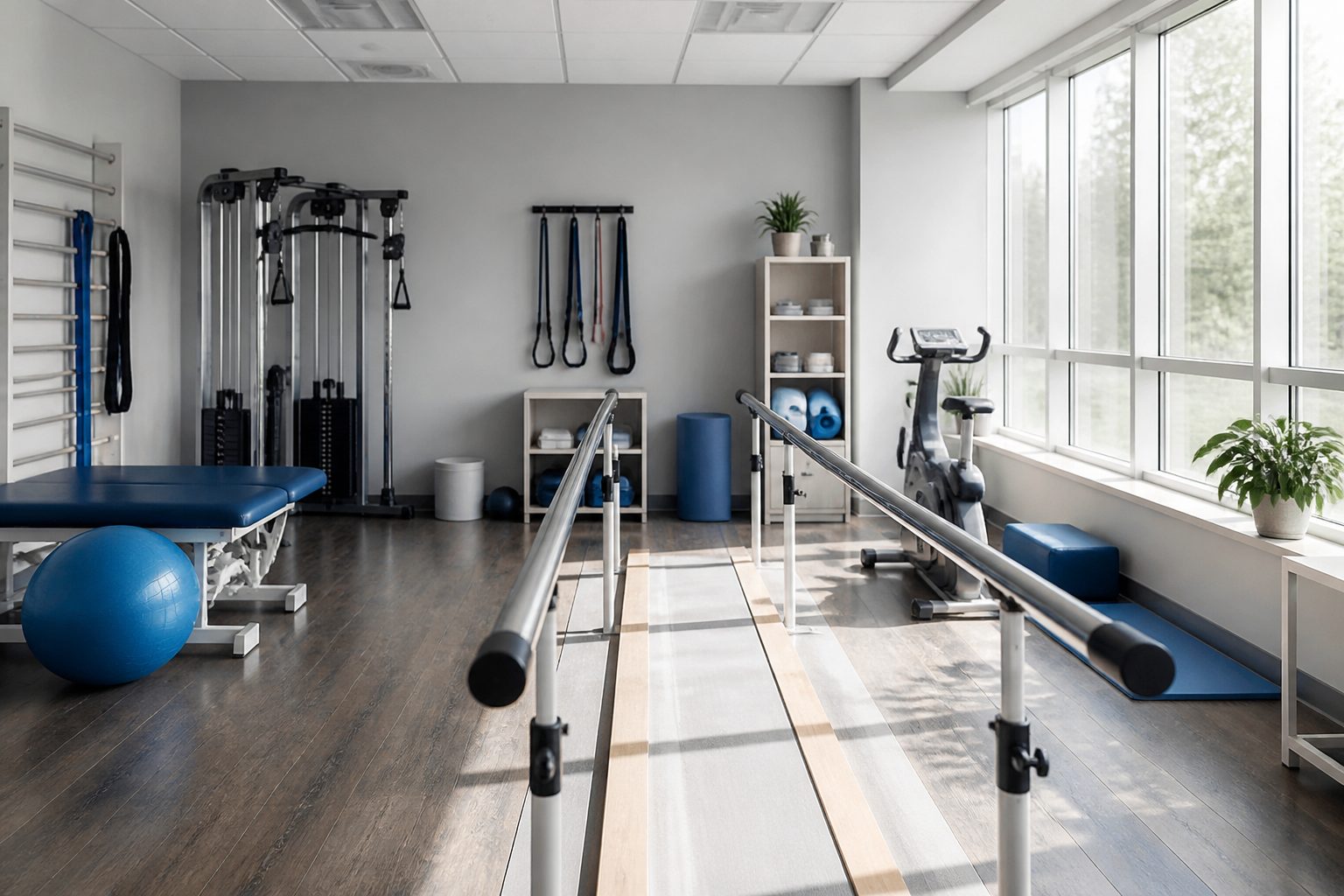
This guide is for elderly patients and their families seeking physiotherapy in Europe. Per-session costs for physiotherapy in Europe typically range from $25 to $100 (€23-€92), with monthly packages from $400 to $2,000. The price depends on the country, type of facility, and whether care is provided at home or in a clinic or hospital.
We compare physiotherapy options for elderly people across Europe, including rehabilitation hospitals, outpatient clinics, nursing homes, assisted living, and home-based care. We explain what is included in these costs, what to watch for, and how to plan your budget.
Types of physiotherapy settings for elderly patients
Elderly patients can access physiotherapy in several settings, each with different costs and levels of care. Outpatient physiotherapy clinics are common for those who are mobile and can travel. Rehabilitation hospitals offer more intensive, multidisciplinary therapy, typically after surgery or major illness. Nursing homes and assisted living facilities may provide on-site physiotherapy as part of a broader care plan. Home physiotherapy is an option for those with mobility issues or who prefer to stay at home, and palliative care teams may include physiotherapists to support comfort and mobility in advanced illness.
Each setting comes with its own pricing structure. Outpatient and home physiotherapy are usually charged per session, while nursing homes and assisted living may include physiotherapy in their monthly fee or charge extra. Rehabilitation hospitals often bill for packages covering several sessions per week. Understanding these models helps families choose the right care based on medical needs, convenience, and budget.
Per-session physiotherapy costs: country comparisons
Per-session rates for physiotherapy in Europe vary widely. In Western and Northern Europe (e.g., Germany, France, Sweden, UK), sessions typically cost $45-$100 (€42-€92) for private clinics, with higher rates for home visits. In Southern and Eastern Europe (e.g., Spain, Italy, Poland, Hungary), costs are generally lower, from $25-$55 (€23-€51) per session. Home physiotherapy adds 20-50% to the basic rate in most countries. Public systems may subsidise some or all costs, but private payment is common for faster access or home-based care.
In rehabilitation hospitals and specialist elderly-care facilities, per-session prices are often higher, reflecting the use of more advanced equipment, multidisciplinary staff, and longer sessions. Some facilities offer discounted packages for multiple sessions or monthly plans, which can reduce the per-session rate but require upfront commitment.
| Country | Outpatient clinic (per session) | Home physiotherapy (per session) | Monthly package (8-12 sessions) | Inpatient rehab hospital (per month) |
|---|---|---|---|---|
| United Kingdom | $60-$95 (£47-£75) | $90-$120 (£70-£95) | $450-$950 (£355-£750) | $3,500-$8,000 (£2,750-£6,300) |
| Germany | $50-$80 (€46-€74) | $75-$110 (€69-€101) | $400-$850 (€370-€785) | $3,200-$7,500 (€2,950-€6,900) |
| France | $55-$85 (€51-€79) | $80-$120 (€74-€111) | $420-$900 (€390-€830) | $3,000-$7,000 (€2,780-€6,480) |
| Italy | $35-$60 (€32-€55) | $50-$80 (€46-€74) | $320-$650 (€295-€600) | $2,000-$5,200 (€1,850-€4,800) |
| Spain | $30-$55 (€28-€51) | $45-$75 (€42-€69) | $250-$550 (€230-€510) | $1,800-$4,500 (€1,660-€4,150) |
| Poland | $25-$45 (PLN 100-180) | $40-$65 (PLN 160-260) | $180-$360 (PLN 720-1,440) | $1,200-$3,000 (PLN 4,800-12,000) |
| Hungary | $28-$50 (HUF 10,000-18,000) | $40-$70 (HUF 14,000-25,000) | $200-$420 (HUF 72,000-151,000) | $1,400-$3,500 (HUF 500,000-1,250,000) |
| Sweden | $65-$100 (SEK 700-1,080) | $90-$140 (SEK 970-1,510) | $500-$1,100 (SEK 5,400-11,800) | $4,000-$8,500 (SEK 43,000-92,000) |
| Netherlands | $50-$85 (€46-€78) | $70-$115 (€65-€106) | $400-$900 (€370-€830) | $3,000-$7,200 (€2,780-€6,670) |
What is included in the price
Standard per-session fees usually cover a 30- to 60-minute session with a licensed physiotherapist. This includes assessment, hands-on treatment, and exercise instruction. Some clinics offer initial consultations at a higher rate or as a package with follow-up sessions. Home physiotherapy fees typically include travel time and basic equipment brought by the therapist. For inpatient rehab or nursing facilities, the price may cover daily sessions, use of equipment, nursing care, meals, and basic accommodation.
Not all services are included in the base price. Extra charges may apply for advanced therapies (e.g., hydrotherapy, electrotherapy), extended sessions, or additional consultations (such as occupational therapy or nutritional advice). Translation services, medical reports, and transport may also be billed separately for international patients or those with special needs.
Hidden costs and what to watch for
When budgeting for physiotherapy, be aware of possible hidden costs. Some clinics charge separately for initial assessments, equipment use, or written reports. Home care may add mileage or travel fees, especially in rural areas or for urgent visits. In nursing homes or assisted living, physiotherapy may be limited to group sessions unless you pay extra for individual care. Private insurance may not cover all treatments, especially those considered non-essential or maintenance therapy for chronic conditions.
International patients should check if translation, medical records transfer, or pre-arrival assessments are included. If you are staying in a facility, clarify what level of nursing care, meals, and personal assistance are part of the quoted price. Always request a written breakdown of costs before committing to a treatment plan.
How to save money safely
Reducing the cost of physiotherapy for elderly patients in Europe is possible without sacrificing the quality of care, provided you take some practical steps and understand the available options. First, seek out clinics or individual therapists who offer discounted rates for prepaid packages or multiple-session bundles; these can lower the per-session cost significantly, especially if ongoing therapy is required. In many European countries, public hospitals and clinics provide subsidized physiotherapy for elderly residents or citizens, sometimes as part of national health insurance schemes—eligibility may depend on age, income, or medical condition, so check local regulations or ask your general practitioner for guidance.
Group physiotherapy classes, such as balance or mobility groups, are often less expensive than individual sessions and can be effective for maintenance or general fitness, though they may not be suitable for those with complex needs. For home-based care, try coordinating with neighbors or local senior groups to schedule multiple patients in the same area or on the same day, which can sometimes reduce travel fees charged by the therapist.
Tele-rehabilitation is an increasingly popular and cost-effective option in Europe, especially for follow-up appointments, exercise supervision, or education. Many therapists now offer video consultations or remote exercise programs, which can minimize the need for in-person visits and reduce transportation costs. Always verify whether your health insurance, long-term care policy, or local social services agency covers part of the physiotherapy costs—this is particularly relevant after hospitalization, surgery, or for chronic conditions, and coverage varies widely between countries and insurance providers.
Before committing, compare quotes from several providers, and ask for clear information about what is included in the price. Make sure the clinic or therapist is properly registered and insured. By combining these strategies, you can make physiotherapy more affordable while ensuring the safety and well-being of your elderly family member.
Choosing the right physiotherapy provider
Selecting the best physiotherapy provider for an elderly patient in Europe involves careful consideration of several practical and cost-related factors. Start by prioritizing therapists or clinics with proven experience in geriatric care—this ensures familiarity with age-related conditions such as arthritis, osteoporosis, balance disorders, or post-stroke rehabilitation. Look for professional registration with national or European physiotherapy bodies (such as the Chartered Society of Physiotherapy in the UK, or the European Region of the World Confederation for Physical Therapy), and ask about specific qualifications in elderly or neurological rehabilitation.
Accreditation and reputation matter, especially if you are considering private clinics or international providers. Check for clear communication in your preferred language, as misunderstandings can affect treatment outcomes and patient safety. Some clinics in tourist-friendly countries offer English-speaking staff and multilingual documentation, but this may come at a premium. For patients needing intensive or multidisciplinary rehabilitation—such as after a stroke, hip fracture, or major surgery—consider a rehabilitation hospital or specialized elderly-care facility where physiotherapists work alongside doctors, nurses, and occupational therapists, providing comprehensive support and rapid response in case of emergencies.
For ongoing maintenance therapy or management of chronic conditions, outpatient clinics or mobile physiotherapists who visit the home may provide a more affordable and convenient solution. If the elderly patient has complex needs, such as dementia, severe mobility limitations, or multiple chronic illnesses, a nursing home or assisted living facility with on-site physiotherapy services may be more practical, as they can integrate therapy into daily routines and offer additional medical supervision.
Always ask about the provider’s approach to individualized care plans, staff-to-patient ratios, emergency procedures, and availability of specialized equipment. Request written information on costs, session length, and what is included in the service. Personal recommendations, online reviews, and consultations with local healthcare professionals can help you find a trustworthy provider who balances quality, safety, and affordability for your elderly family member.
What drives the price of physiotherapy for the elderly
The cost of physiotherapy for elderly patients in Europe is influenced by a range of concrete and location-specific factors. First and foremost, geographic location plays a significant role: countries in Western and Northern Europe—such as Germany, France, the UK, and the Nordic nations—generally have higher fees due to higher living costs, regulatory standards, and wage levels. Major cities like London, Paris, or Zurich often command premium prices compared to rural or smaller urban areas. In contrast, Southern and Eastern European countries, including Spain, Portugal, Poland, and Romania, often offer more affordable rates, though prices may still vary widely depending on the city and provider.
The therapist’s qualifications and experience also affect costs. Highly specialized physiotherapists, particularly those with advanced certifications in geriatrics or neurological rehabilitation, may charge more for their expertise. The complexity of the patient’s condition is another key factor: patients requiring post-stroke rehabilitation, management of Parkinson’s disease, or recovery from major orthopedic surgery typically need longer and more intensive sessions, which increases the total cost.
Session length and frequency matter as well. Standard sessions last 30–60 minutes, but longer or more frequent appointments are common for complex cases and will raise overall expenses. Home visits are priced higher to cover travel time and convenience, sometimes with additional surcharges for remote or hard-to-access locations. Inpatient care is the most expensive option, as it bundles therapy with accommodation, meals, and round-the-clock support.
Specialist treatments—such as hydrotherapy, electrotherapy, or advanced pain management—require specific equipment and expertise, which further increases fees. International patients may encounter extra costs for administrative processing, translation services, or coordination with insurance providers. Finally, clinics with international accreditations, state-of-the-art equipment, or English-speaking staff may charge a premium, especially in regions popular with medical tourists.
Planning your physiotherapy budget
Effective budgeting for elderly physiotherapy in Europe begins with a comprehensive assessment by a qualified physiotherapist or geriatrician. This evaluation will clarify the patient’s specific needs and allow you to estimate the type, frequency, and duration of therapy required. For example, a typical recommendation might be two to three sessions per week for several months, but this can vary widely depending on the diagnosis, recovery goals, and the patient’s general health.
To calculate your expected costs, multiply the per-session rate by the number of weekly sessions and the anticipated duration (in weeks or months). Don’t forget to include potential extra fees for initial assessments, specialized equipment (such as walking aids, exercise bands, or home modifications), and any necessary home visits, which are often priced higher than clinic-based sessions. If you are considering advanced therapies—like hydrotherapy, neurological rehabilitation, or electrotherapy—ask for a breakdown of additional charges.
If inpatient rehabilitation or a stay in a nursing facility is needed, request an all-inclusive quote that details what is covered (therapy, accommodation, meals, medical supervision) and what is not (medications, personal care items, or extra services). For families traveling from abroad, factor in travel and accommodation costs, as well as possible administrative or translation fees if you are not fluent in the local language.
Many families choose a combination approach: a short period of intensive inpatient or residential rehabilitation, followed by ongoing outpatient or home-based therapy, which can help control costs while ensuring continuity of care. Always maintain a contingency fund in your budget to cover unforeseen needs, such as extra sessions due to health setbacks, equipment repairs, or sudden changes in the patient’s condition. Consult with healthcare professionals, insurance providers, and local social services to explore possible sources of reimbursement or financial support. Careful planning and regular review of your budget will help you manage expenses while ensuring high-quality physiotherapy for your elderly loved one.
Bottom line: what to expect and how to proceed
When considering physiotherapy for elderly individuals across Europe, you can generally expect per-session costs to range from $25 to $100 (€23–€92), but this is just a starting point. The actual price depends on several concrete factors, including the country’s overall cost of living, whether the therapy is provided in a public or private setting, and the specific needs of the patient. For example, sessions in countries like Germany, Switzerland, or the UK tend to be on the higher end, while those in Eastern European nations such as Poland or Hungary may be more affordable. Monthly packages, which often include two to five sessions per week, can range from $400 to $2,000, with higher prices reflecting more intensive care, inclusion of specialist therapies, or premium facilities.
Additional costs often arise if you require home visits—these are typically 20–40% more expensive than clinic-based sessions, due to travel time and the convenience provided. Advanced therapies, such as neurological rehabilitation or hydrotherapy, also command higher rates, as do inpatient facilities where accommodation, meals, and 24-hour supervision are bundled into the cost. To avoid unexpected expenses, always request a detailed written quote that itemizes what is included, such as assessment fees, equipment, or follow-up appointments. Clarify whether language support, transportation, or administrative fees for international patients are extra.
Before committing, consult with a qualified medical professional—preferably a geriatrician or experienced physiotherapist—to ensure the therapy plan is tailored to the patient’s specific health needs and goals. With careful research and planning, you can find high-quality physiotherapy options across diverse European settings, balancing cost, convenience, and clinical quality for your elderly family member.
Frequently asked questions
How many physiotherapy sessions do elderly patients usually need?
The number of sessions depends on the patient’s condition and goals. After surgery or injury, 2-5 sessions per week for several weeks may be recommended. For chronic conditions or maintenance, 1-2 sessions per week is common. Your therapist will advise based on progress.
Are physiotherapy costs covered by insurance or public health systems in Europe?
Coverage varies by country and insurance policy. Many European countries subsidise physiotherapy for elderly residents, especially after hospitalisation. Private insurance may cover part or all of the cost, but check policy details and exclusions before starting therapy.
Is home physiotherapy as effective as clinic-based care?
For many elderly patients, home physiotherapy is as effective as clinic-based care, especially for mobility, balance, and strength training. However, some advanced treatments and equipment may only be available in clinics or hospitals. Discuss options with your therapist.
What should I look for in a physiotherapy provider for an elderly family member?
Look for experience in geriatric care, professional registration, and clear communication. Ask about care plans, emergency procedures, and the ability to coordinate with other healthcare providers. Personal rapport and location convenience also matter.
Can I get physiotherapy for elderly patients in English in non-English speaking countries?
Many clinics and hospitals in Europe offer services in English, especially in major cities and facilities serving international patients. Always confirm language support before booking, and consider using a medical interpreter if needed.
Related guides
Disclaimer: Prices in this guide are indicative and will vary by case, provider, and country. Always request a written quote and consult a qualified doctor or physiotherapist before starting treatment.