
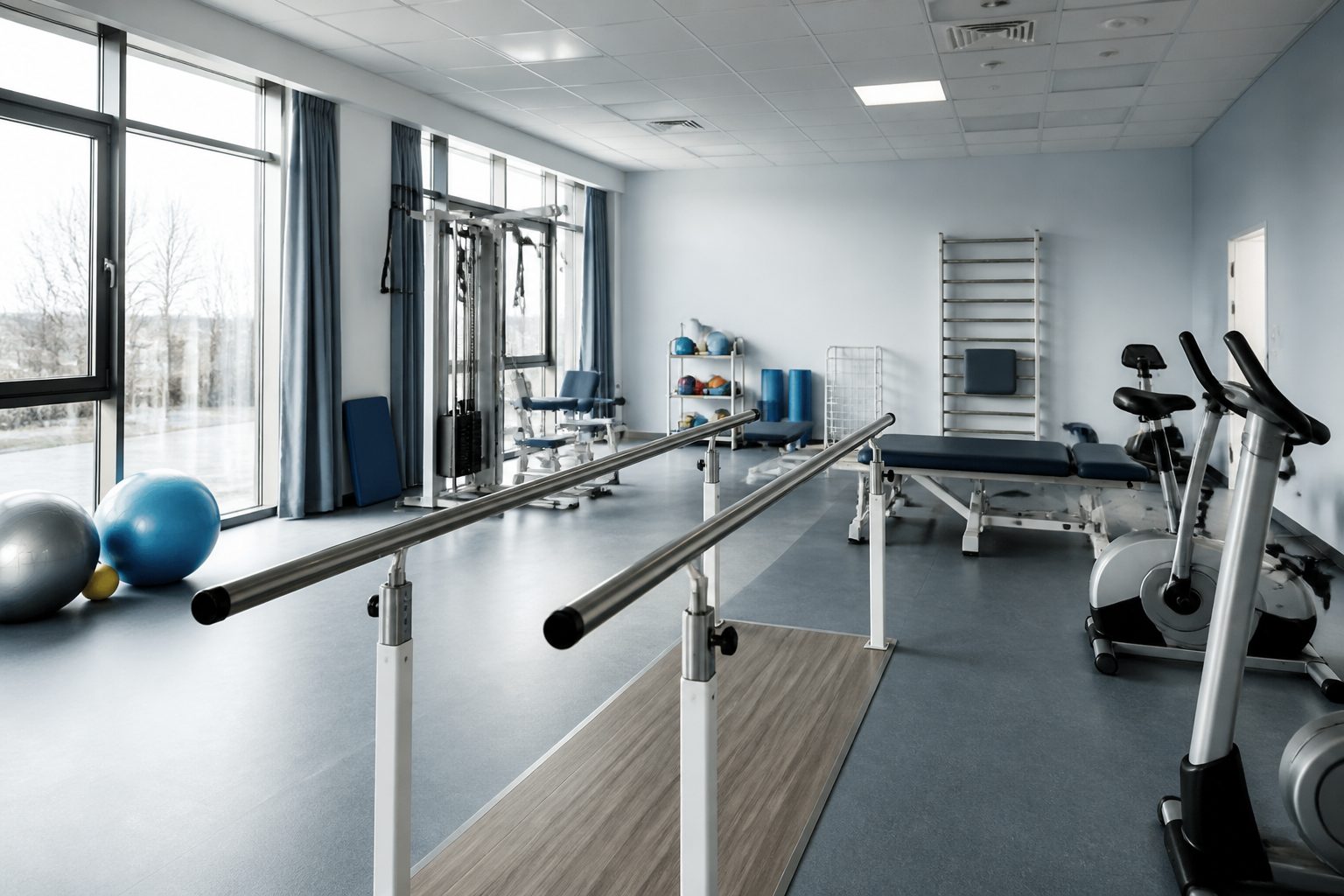
This guide compares the costs of inpatient rehabilitation, physiotherapy, nursing homes, and home healthcare in the USA, India, and Mexico. If you or a loved one needs rehab after surgery, stroke, or for elderly care, here’s what you can expect to pay in each country—both per session and per month.
We focus on practical price ranges for rehab hospitals, physiotherapy clinics, nursing homes, assisted living, and home-based care. Understanding these costs helps families plan treatment and choose the best country and care setting for their needs.
What inpatient rehabilitation includes (and what it doesn’t)
Inpatient rehabilitation covers a wide spectrum of care, from intensive physiotherapy after surgery or injury, to longer-term stays for elderly patients needing nursing or palliative care. In a rehab hospital, costs usually include accommodation, meals, nursing, physiotherapy, occupational therapy, and sometimes speech therapy. In nursing homes or assisted living, the package often includes room, meals, daily assistance, and basic medical care, but may not cover specialist therapy, medications, or emergency care.
Outpatient physiotherapy is billed per session, with price differences based on therapist qualifications, session length, and facility type. Home healthcare—nursing or therapy delivered at home—may be charged per visit or as a monthly package. Palliative care at home or in a facility may include pain management, nursing, and emotional support, but not always advanced medical interventions.
Cost comparison: USA, India, and Mexico
The table below shows typical price ranges for major types of rehabilitation and care. Prices are indicative and may vary by city, facility quality, and patient needs. In the USA, rehab is often the most expensive, with India offering the lowest costs for most services. Mexico sits between the two, with some urban centres approaching US prices for high-end facilities.
| Service | USA (USD) | India (USD/INR) | Mexico (USD/MXN) |
|---|---|---|---|
| Inpatient rehab hospital (per month) | $25,000-$45,000 | $1,200-$2,800 (₹1-2.3 lakh) | $3,500-$8,000 (MX$59,000-135,000) |
| Physiotherapy (per session, outpatient) | $100-$250 | $7-$30 (₹600-2,500) | $20-$50 (MX$340-850) |
| Nursing home (per month) | $7,000-$12,000 | $500-$1,500 (₹42,000-1.2 lakh) | $900-$2,500 (MX$15,000-42,000) |
| Assisted living (per month) | $4,500-$8,000 | $400-$1,200 (₹34,000-1 lakh) | $800-$2,000 (MX$14,000-34,000) |
| Home nursing (per month, 8hr/day) | $5,000-$10,000 | $350-$800 (₹29,000-67,000) | $600-$1,500 (MX$10,000-25,000) |
| Home physiotherapy (per visit) | $120-$300 | $10-$40 (₹830-3,300) | $25-$70 (MX$420-1,200) |
| Palliative care (per month, facility) | $8,000-$15,000 | $700-$2,000 (₹58,000-1.7 lakh) | $1,200-$3,000 (MX$20,000-51,000) |
What is included and excluded in the price
Most inpatient rehabilitation hospitals and nursing homes include accommodation, meals, basic nursing, and standard therapies in their base price. However, charges for specialist consultations, advanced imaging, lab tests, and medications are often extra. In some US and Mexican hospitals, medical supplies and incontinence products may be billed separately. In India, private facilities may offer all-inclusive packages, but always check for exclusions such as ambulance transport, personal care items, or family accommodation.
Outpatient physiotherapy prices usually cover 30-60 minute sessions and basic equipment. Additional modalities (ultrasound, electrical stimulation), home visits, or care by senior therapists can cost more. Assisted living and home nursing rates may not include 24-hour care, emergency medical response, or doctor visits. Palliative care packages vary: some include all end-of-life needs, while others charge separately for pain medications or specialist interventions.
Hidden costs to watch for
Hidden costs can significantly inflate the final bill for inpatient rehabilitation or elderly care, particularly for international patients unfamiliar with local billing practices. In the USA, even those with insurance must watch for high co-pays, annual deductibles, and charges for services deemed out-of-network or not medically necessary. Facility fees—sometimes billed separately from medical services—can add hundreds or thousands of dollars per stay. Upgrades to private rooms, additional therapy sessions, or specialized equipment like advanced mobility aids are often not included in standard quotes. Supplies such as wound care materials, incontinence products, or dietary supplements may be billed as extras.
In India and Mexico, while base prices are lower, international patients may face unique hidden costs. Language interpretation services, which are essential for clear communication, may incur extra fees. Visa extensions or expedited processing, often needed for longer stays, can add administrative costs. Family accommodation—whether on-site or nearby—may not be included, and some facilities require substantial deposits or prepayment for a minimum period, which can tie up funds.
- Transportation to and from the rehab facility, especially for outpatient therapy, is rarely included and can become costly in large cities.
- Personal caregivers or aides, if needed beyond the standard staffing, are typically an out-of-pocket expense.
- Private rooms, special diets, and access to additional amenities (like gyms or pools) may be available only at a premium.
- Post-discharge follow-up visits, telemedicine consultations, and extended therapy sessions are often not part of the original package.
To avoid surprises, always request a comprehensive written quote that itemizes all charges. Ask specifically about what is included in the daily or monthly rate, and clarify policies for holidays, night shifts, and emergency coverage—especially for home care. Insist on transparency regarding refund and cancellation policies, and ensure you understand all terms before making payments or travel arrangements.
How to save safely on rehabilitation and elderly care
While choosing India or Mexico for rehabilitation or elderly care can slash costs by 70-90% compared to the USA, safety and quality should remain top priorities. Begin by researching facilities with recognized international accreditation—such as Joint Commission International (JCI) or the National Accreditation Board for Hospitals (NABH) in India—as these institutions are more likely to follow rigorous medical protocols, maintain transparent pricing, and employ qualified staff. Larger cities in both India and Mexico typically offer a wider selection of rehab centers and nursing homes, driving competitive pricing and access to advanced therapies. However, rural or smaller facilities may lack specialized equipment, experienced personnel, or reliable English-speaking staff, so weigh the trade-offs carefully.
To maximize savings, consider negotiating fixed-rate packages for longer stays, as daily rates are often substantially higher than weekly or monthly rates. Many clinics offer bundled deals for multiple therapy sessions or inclusive packages that cover accommodation, meals, and basic medical supplies. Always ask for a detailed breakdown of what is included to avoid unexpected add-ons. In Mexico and India, some facilities allow for negotiation, especially if you are paying out-of-pocket or booking for an extended period.
- For home care, hiring through a reputable agency is safer than direct hiring, even if the cost is slightly higher. Agencies typically vet their staff, provide backup in case of illness, and offer 24/7 support.
- Check eligibility for insurance, social security, or government programs in each country. For example, India offers government schemes for elderly and palliative care, while some Mexican states subsidize long-term care for residents and retirees.
- Consider timing your rehabilitation during off-peak seasons, when facilities may offer discounts or promotional rates.
Finally, always verify the facility’s licensing, read recent reviews, and, if possible, consult with former patients. Prioritizing quality and transparency ensures that cost savings do not come at the expense of safety or outcomes.
Choosing the right country and facility for your needs
Selecting the best country and facility for inpatient rehabilitation or elderly care depends on your medical requirements, budget, travel preferences, and personal circumstances. If your rehabilitation needs are complex—such as post-surgical recovery, spinal cord injuries, or advanced neurological conditions—the USA provides unmatched access to specialized rehab hospitals, state-of-the-art technology, and multidisciplinary teams. Facilities often offer tailored therapy plans, robotics-assisted rehabilitation, and close medical supervision. However, the high cost, insurance complexities, and possible waiting lists can be barriers for many patients.
India has emerged as a global hub for affordable, quality rehabilitation, especially in metropolitan areas like Mumbai, Delhi, Bangalore, and Chennai. Many centers hold international accreditations (such as JCI or NABH), employ English-speaking staff, and offer a wide range of therapies, including physiotherapy, occupational therapy, and speech therapy. The cost savings are substantial, and the presence of large, modern hospitals makes India suitable for both short- and long-term stays. However, the quality of care can vary outside major cities, so thorough vetting is essential.
Mexico offers a practical choice for North Americans seeking lower costs without the challenge of long-distance travel or major time zone changes. Key cities such as Mexico City, Guadalajara, and Monterrey feature hospitals and rehab centers with a growing reputation for quality and bilingual service. Mexico is especially attractive for patients who want family members nearby during recovery, as travel is relatively easy and affordable from the US and Canada.
- For elderly care, both India and Mexico provide options ranging from modest nursing homes to luxurious assisted living facilities at a fraction of US prices. Consider whether the facility offers services in your preferred language, accommodates family visits or stays, and respects cultural preferences in food and daily routines.
- Medical backup is crucial: confirm the availability of on-call doctors, emergency protocols, and access to nearby hospitals.
- Aftercare arrangements—such as outpatient therapy or home-based follow-up—should be clearly outlined.
- For home care, prioritize agencies that conduct background checks, offer 24/7 support, and have clear procedures for emergencies or staff absences.
Ultimately, balancing cost, quality, convenience, and cultural fit will help you make the best decision for your rehabilitation or long-term care needs.
Planning your rehabilitation abroad: practical steps
Embarking on rehabilitation or elderly care abroad requires careful planning to ensure a smooth, safe, and cost-effective experience. Begin by gathering comprehensive medical documentation, including recent test results, imaging reports, and a clear summary of your rehabilitation goals. This information will help potential facilities assess your needs and provide accurate quotes. Reach out to several facilities directly—preferably those with international accreditation—and request detailed breakdowns of their services, daily or monthly rates, and any additional charges for therapies, equipment, or special needs.
Arrange virtual tours or video consultations to evaluate the facility’s environment, meet key staff, and gauge their experience with international patients. Ask to speak with current or former patients from your home country for firsthand insights into care quality and cultural adaptation. Verify the credentials of therapists, nurses, and physicians, and ensure the facility is licensed and in good standing with relevant health authorities.
- For inpatient stays, clarify the entire discharge process, including the criteria for release, follow-up care, and available support for transitioning to home or outpatient rehabilitation.
- If considering home healthcare, confirm the agency’s policies for backup staff in case of illness or absence, and ask about 24/7 support and emergency protocols.
- If a medical visa is required for India or Mexico, request assistance from the facility with paperwork, supporting documents, and local embassy procedures. Some centers offer dedicated coordinators for international patients.
- Factor in travel arrangements, including flights, airport transfers, and local transportation. Consider accommodation options for family members, especially if they will participate in your care or need to stay nearby.
- Anticipate potential language barriers and ask about interpreter services or bilingual staff.
By taking these practical steps, you can minimize risks, avoid hidden costs, and ensure your rehabilitation journey abroad is as effective and comfortable as possible.
The bottom line
When comparing inpatient rehabilitation and elderly care costs among the USA, India, and Mexico, significant differences emerge based on geography, healthcare infrastructure, and economic factors. In the USA, patients benefit from cutting-edge medical technology, highly trained multidisciplinary teams, and a broad range of specialized programs for stroke, orthopedic, and neurological rehabilitation. However, these advantages come with steep costs—ranging from $1,000 to $2,500 per day for inpatient rehab, and even higher for luxury or specialized centers. Without comprehensive insurance, many families find these prices unsustainable, and even insured patients can face high out-of-pocket expenses due to deductibles and uncovered services.
India stands out for its affordability, with daily inpatient rehabilitation costs often between $50 and $150 in major cities like Mumbai, Delhi, and Bangalore. The country offers a spectrum of facilities, from basic community hospitals to internationally accredited centers with English-speaking staff and modern amenities. The lower cost doesn’t always mean lower quality, but patients should carefully vet providers, as standards can vary widely, especially outside major urban areas.
Mexico offers a compromise: costs are typically 40-70% lower than in the USA, making it a popular destination for North Americans seeking quality care without long-haul travel. Cities like Mexico City, Guadalajara, and Monterrey host reputable hospitals and rehabilitation centers, many with bilingual staff and experience serving international patients. Regardless of destination, it’s crucial to request detailed quotes that outline all included services, ask about licensing and accreditation, and clarify policies on follow-up care. Being diligent in research and confirming each detail helps avoid unexpected costs and ensures the best match for your medical and personal needs.
Frequently asked questions
How long is a typical inpatient rehab stay?
Inpatient rehab stays range from 2 to 6 weeks for post-surgical or stroke patients, but can extend to several months for severe injuries or elderly care. The exact duration depends on the patient’s condition, goals, and progress. Always confirm discharge planning and aftercare options before admission.
Is it safe to receive rehabilitation in India or Mexico?
Both India and Mexico have internationally accredited hospitals and reputable rehab centres, especially in major cities. However, standards vary, so choose facilities with strong patient reviews, clear infection control protocols, and English-speaking staff if needed. Verify staff qualifications and facility accreditation where possible.
Are there English-speaking therapists in India and Mexico?
In large Indian and Mexican cities, most rehab hospitals and physiotherapy clinics serving international patients have English-speaking therapists and coordinators. In smaller towns or less expensive facilities, English proficiency may be limited, so clarify communication needs in advance.
What are the main differences between nursing homes and assisted living?
Nursing homes provide round-the-clock medical care and supervision for patients with significant health needs. Assisted living facilities focus on personal care, meals, and activities for seniors who are mostly independent but need some help. Assisted living is usually less expensive than nursing homes.
Can I use my health insurance to pay for rehab abroad?
Most US health insurance plans do not cover rehab or elderly care outside the country, except for medical emergencies. Some international insurance policies or employer plans may reimburse part of the cost. Always check with your insurer and the facility before making arrangements.
Related guides
Disclaimer: Prices in this article are indicative and may vary based on individual cases, facility standards, and location. Always request a detailed written quote and consult a qualified doctor before making any medical or financial decisions.