
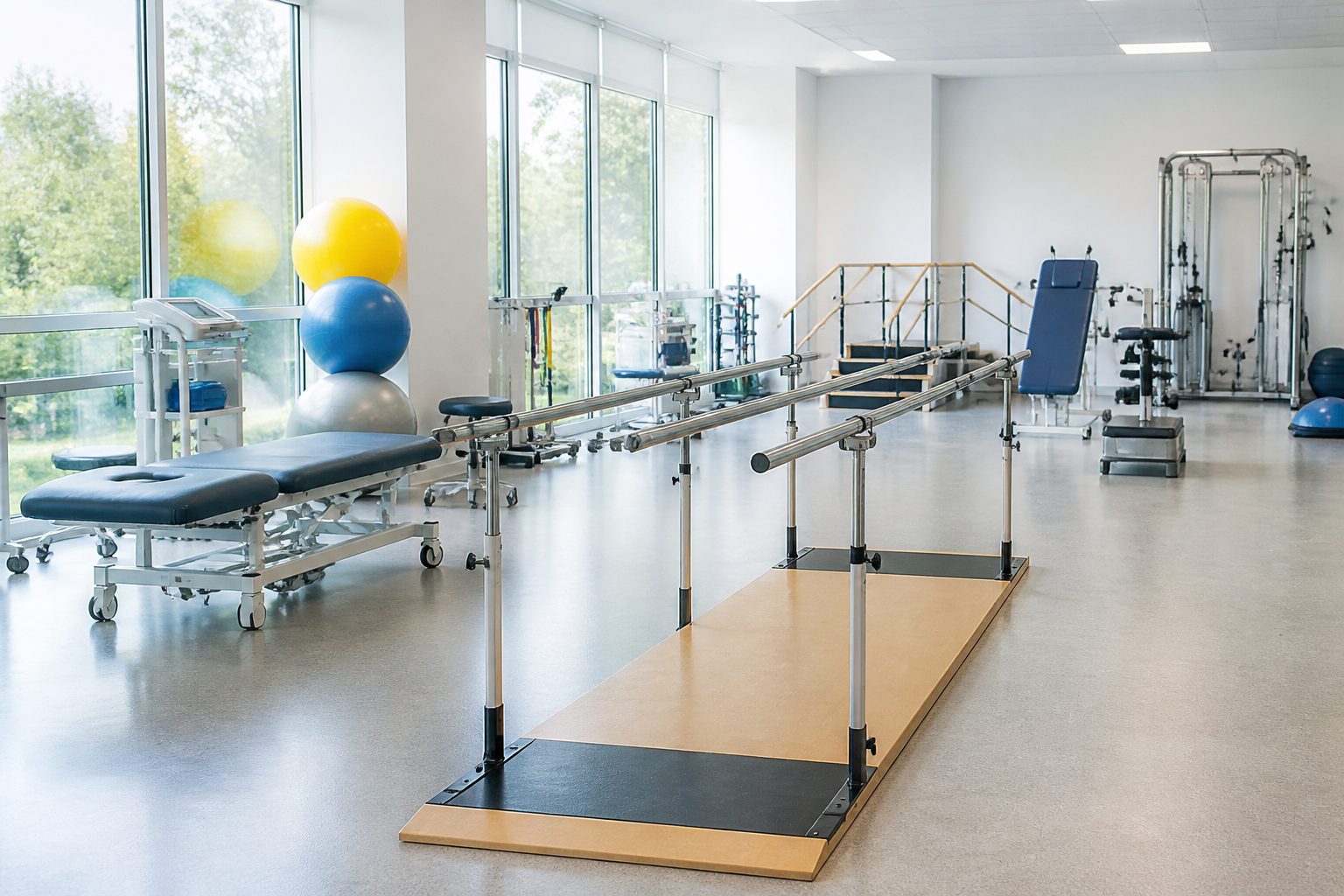
This guide is for families and patients seeking rehabilitation, physiotherapy, elderly care, or home healthcare in Asia. Whether you need short-term post-surgery rehab or long-term care for chronic conditions, understanding costs is essential for planning.
Across eight Asian countries, monthly inpatient rehabilitation costs range from around $900 in India to $6,000 in Singapore. Outpatient physiotherapy, home nursing, and assisted living prices also vary significantly by country and facility type.
Overview: What rehabilitation and care facilities offer
Rehabilitation and elder care facilities across Asia offer a diverse range of services, tailored to the needs of patients recovering from illness, injury, or surgery, as well as those requiring long-term support due to age or disability. The type and scope of services available can differ markedly depending on the country, facility type, and local healthcare regulations.
Rehabilitation hospitals provide intensive, multidisciplinary inpatient care, often for conditions like stroke, spinal cord injury, or postoperative recovery. In countries such as Singapore, Japan, and South Korea, these hospitals are equipped with advanced technology and employ teams of physiotherapists, occupational therapists, speech therapists, and rehabilitation physicians. In contrast, facilities in countries like Vietnam or Indonesia may focus more on basic physiotherapy and nursing support.
Physiotherapy clinics typically offer outpatient services, focusing on musculoskeletal or neurological rehabilitation. These clinics are common in urban centers across Thailand, Malaysia, and India, and may also provide specialized treatments such as manual therapy, electrotherapy, or sports rehabilitation.
Nursing homes and assisted living facilities cater to elderly or disabled individuals who need help with daily activities. Services range from basic assistance with bathing, dressing, and meals, to skilled nursing care for chronic medical conditions. In Hong Kong and Singapore, some nursing homes are government-subsidized, while others operate privately at higher cost. Assisted living is a growing sector in countries like Malaysia and the Philippines, offering a home-like environment with varying levels of support.
Home healthcare is increasingly popular, especially for those who prefer to receive care in familiar surroundings. Services can include professional nursing, physiotherapy, occupational therapy, and even palliative care. In countries such as India and China, home care agencies provide flexible packages, but quality and regulation can vary, so careful vetting is essential.
Facilities may offer additional services like pain management, counseling, social activities, and family support. While some countries provide government funding or insurance coverage—such as Japan’s Long-Term Care Insurance or Singapore’s ElderShield—private payment is common for expatriates and international patients. Always check eligibility and coverage details before committing to a facility.
Rehabilitation and care costs: Comparing 8 Asian countries
Costs for rehabilitation and elder care depend on the country, city, type of facility, and level of service. The table below compares typical prices for key services in India, Thailand, Malaysia, Singapore, Indonesia, the Philippines, Vietnam, and Bangladesh. These are indicative figures for private, urban facilities as of 2024, with monthly rates for inpatient care, per-session rates for outpatient physiotherapy, and daily or monthly rates for home care.
| Country | Inpatient rehab hospital (monthly) | Outpatient physiotherapy (per session) | Nursing home (monthly) | Home nursing (per visit) | Palliative care (monthly) |
|---|---|---|---|---|---|
| India | $900-$2,500 (₹75,000-2 lakh) | $10-$25 (₹800-2,000) | $400-$1,200 (₹33,000-1 lakh) | $12-$30 (₹1,000-2,500) | $450-$1,200 (₹37,000-1 lakh) |
| Thailand | $1,300-$3,500 (฿47,000-125,000) | $18-$35 (฿650-1,250) | $950-$2,200 (฿34,000-80,000) | $20-$45 (฿700-1,600) | $1,000-$2,200 (฿36,000-80,000) |
| Malaysia | $1,100-$2,800 (RM5,100-13,000) | $15-$30 (RM70-140) | $800-$1,800 (RM3,700-8,300) | $18-$40 (RM80-180) | $950-$2,000 (RM4,400-9,200) |
| Singapore | $3,500-$6,000 (SGD 4,700-8,000) | $40-$70 (SGD 55-95) | $2,500-$4,800 (SGD 3,350-6,500) | $60-$120 (SGD 80-160) | $3,000-$5,000 (SGD 4,000-6,700) |
| Indonesia | $1,000-$2,200 (Rp 15-33 juta) | $12-$25 (Rp 180-380 ribu) | $650-$1,400 (Rp 10-21 juta) | $14-$30 (Rp 210-450 ribu) | $700-$1,400 (Rp 10-21 juta) |
| Philippines | $1,100-$2,500 (₱62,000-140,000) | $12-$28 (₱670-1,500) | $550-$1,200 (₱31,000-68,000) | $15-$35 (₱850-2,000) | $650-$1,300 (₱36,000-72,000) |
| Vietnam | $900-$2,000 (₫22-50 million) | $9-$20 (₫220-500,000) | $500-$1,100 (₫12-27 million) | $10-$24 (₫250-600,000) | $600-$1,200 (₫15-30 million) |
| Bangladesh | $700-$1,800 (৳76,000-195,000) | $7-$20 (৳750-2,200) | $350-$900 (৳38,000-99,000) | $8-$18 (৳900-2,000) | $400-$900 (৳44,000-99,000) |
What’s included and what’s extra
Understanding exactly what is covered in your rehabilitation hospital or nursing home fees is critical to avoiding unexpected expenses. While most facilities in Asia include certain core services in their base rates, the specifics can differ widely depending on the country, type of facility, and level of care required.
Typically, quoted fees for inpatient rehabilitation or elder care include:
- Accommodation (shared or private room, sometimes with ensuite bathroom)
- Daily meals and basic dietary needs
- Routine nursing care and assistance with daily living activities
- Scheduled therapy sessions (e.g., physiotherapy, occupational therapy, speech therapy)
In higher-cost facilities—such as private hospitals in Singapore, Japan, or Hong Kong—you may also receive additional amenities: private rooms with upgraded furnishings, concierge services, or more intensive therapy schedules. However, these features are reflected in significantly higher daily rates.
Outpatient physiotherapy fees generally cover a 30- to 60-minute session with a licensed therapist. Basic assessments and standard modalities (like heat, ultrasound, or exercise therapy) are often included. However, advanced treatments—such as hydrotherapy, robotic-assisted therapy, or specialist consultations—are usually billed separately. In some countries, like Malaysia or Thailand, package deals may be available for multiple sessions at a discounted rate.
Home nursing visit costs typically include basic nursing tasks such as wound care, medication administration, and monitoring of vital signs. Palliative care packages may cover pain management, symptom relief, and counseling, but 24/7 nurse presence or emergency response services are usually extra and can be expensive, especially in countries with limited home care infrastructure.
Always confirm in writing what is included in your quoted price. Personal care supplies (diapers, toiletries), medications, medical equipment (wheelchairs, oxygen), and transportation (ambulance or non-emergency transfer) are often billed separately. Some facilities offer bundled packages, but it’s essential to ask for a full list of inclusions and exclusions before committing to a care plan.
Key factors driving costs
The cost of rehabilitation and elder care in Asia is shaped by a complex mix of factors, many of which vary significantly from country to country and even between cities. Understanding these drivers can help you choose a facility that fits both your needs and your budget.
- Location and facility type: Urban centers like Tokyo, Singapore, or Seoul generally have higher costs due to higher real estate values and greater demand. Private or internationally accredited hospitals command premium prices compared to public or rural facilities, which may offer fewer amenities but are more affordable.
- Room type and amenities: The choice between a shared ward, private room, or luxury suite can dramatically alter costs. In Thailand, for example, a private room in a top-tier hospital may cost several times more than a shared room in a community facility. Added amenities such as ensuite bathrooms, entertainment systems, or gourmet meals also increase the bill.
- Therapy intensity and frequency: Facilities offering daily, individualized therapy sessions—such as physiotherapy, occupational therapy, or speech therapy—will charge more than those with group sessions or less frequent interventions. In Singapore or Japan, intensive rehabilitation programs are common but come at a premium.
- Medical complexity and special needs: Patients requiring advanced care, such as ventilator support, feeding tubes, tracheostomy management, or complex wound care, need higher staff-to-patient ratios and specialized equipment. This is reflected in the higher charges at facilities equipped to manage such cases, especially in countries like South Korea or Hong Kong.
- Staff qualifications and experience: Facilities employing internationally trained or highly experienced therapists and nurses, often found in Singapore or Japan, tend to charge more. The presence of multilingual staff or expatriate doctors can also drive up costs, particularly in centers catering to international patients.
- Specialized therapies and extra services: Advanced rehabilitation options, such as hydrotherapy, robotic-assisted therapy, or high-tech diagnostic assessments, are usually priced as add-ons. In some countries, like Malaysia or India, these may be optional, while in others they are integrated into comprehensive packages at a higher base price.
Other factors—such as facility reputation, government subsidies, and local insurance policies—can also impact the final cost. Always request a clear explanation of pricing structures and compare facilities to find the best balance between quality and affordability for your situation.
How to save on rehabilitation and elder care costs
Choosing a suitable care setting and managing treatment plans can help reduce costs without compromising quality. Here are some practical ways to save:
- Consider reputable non-profit or mission hospitals, which often provide high-quality care at lower rates.
- Opt for shared rooms or semi-private accommodation to reduce inpatient costs.
- Evaluate if home-based rehabilitation or outpatient therapy is appropriate for your case, as these are usually less expensive than inpatient stays.
- Ask about package rates for longer stays or multiple therapy sessions, which can offer savings over single-session pricing.
- Discuss a realistic therapy schedule with your doctor to avoid unnecessary or excessive sessions.
- Check if your insurance or local government programs provide any reimbursement or subsidies.
How to choose the right rehab or care provider
When selecting a rehabilitation hospital, physiotherapy clinic, or elder care facility, consider the following:
- Accreditation: Look for national or international quality accreditations (e.g., JCI, NABH, Ministry of Health) where possible.
- Specialist staff: Ensure the facility has experienced physiotherapists, nurses, and rehabilitation specialists familiar with your condition.
- Multidisciplinary approach: The best outcomes often come from teams that include physiotherapists, occupational therapists, speech therapists, and doctors.
- Patient-to-staff ratio: Lower ratios mean more personalized care, especially for complex or elderly patients.
- Facilities and equipment: Visit the center if possible to check cleanliness, safety, and available equipment.
- Language and cultural support: For international patients, check for English-speaking staff, interpreters, and support for dietary or religious needs.
Hidden and additional costs to consider
While headline rates for rehabilitation hospitals and elder care facilities may seem straightforward, there are often numerous extra costs that can significantly increase your final bill. These hidden charges vary between countries and facility types, so it’s vital to ask detailed questions and review your contract or admission agreement carefully.
- Medications and consumables: In many Asian countries, the cost of prescription drugs, wound dressings, incontinence supplies, and other consumables are not bundled into the standard daily rate. For example, Japanese hospitals may charge separately for every item used, while some Malaysian or Thai facilities offer packages that include basic consumables but not specialized medications.
- Diagnostics and specialist consultations: If you require imaging (such as MRI or CT scans), laboratory tests, or consultations with specialists (like neurologists or cardiologists), these will often be billed on top of your daily rate. In private hospitals in Singapore or Hong Kong, these fees can be substantial, especially for complex cases.
- Transport services: Ambulance or medical transport to and from the facility is rarely included, particularly for intercity or airport transfers. In countries with large urban centers, such as China or India, these costs can add up quickly if frequent hospital visits are required.
- Personal care and comfort items: Items such as adult diapers, specialized toiletries, personal laundry, or customized diets (e.g., halal, vegetarian, diabetic-friendly) may incur separate charges. Some facilities in South Korea or the Philippines provide basic toiletries, but anything beyond the standard may cost extra.
- Extended stays and increased care needs: If your recovery takes longer than anticipated, or if your medical condition requires higher dependency care (e.g., one-on-one nursing, ventilator support), expect your costs to rise. Many facilities in Asia charge per day or per level of care, so discuss possible scenarios with the admissions team.
- Family accommodation and support: If family members wish to stay overnight or use guest facilities, there may be additional fees. In some Japanese or Hong Kong hospitals, these can be significant, especially if meals or amenities are included.
Always request a full list of potential additional charges in advance, and consider setting aside a contingency fund (typically 10-20% of your estimated budget) to cover unforeseen expenses during your stay.
Planning your rehabilitation or elder care stay
Thorough planning is crucial when arranging a rehabilitation or elder care stay, especially across different Asian countries where healthcare systems, facility standards, and costs can vary widely. Start by researching reputable facilities in your destination country, considering not just cost but also quality ratings, staff qualifications, and patient reviews. Early communication with your chosen hospital or care home is essential to prevent unexpected expenses and administrative hurdles.
- Request a detailed written quote: Ask for a comprehensive breakdown of all expected charges, including room type, meals, therapies, nursing care, and any additional services. In countries like Singapore or Japan, itemized quotes are standard, while in others you may need to specifically request them.
- Clarify the care plan: Discuss the anticipated length of stay, frequency and type of therapy sessions, and discharge criteria. In places such as Thailand or Malaysia, rehabilitation programs can range from a few days to several weeks, and knowing the expected duration helps with budgeting and travel planning.
- Understand visiting policies: Family support is often integral to recovery. Some facilities in South Korea or Hong Kong allow flexible visiting hours, while others may restrict access, especially post-pandemic. Clarify if overnight stays or family accommodations are available and at what cost.
- Visa and travel assistance: For international patients, some hospitals in countries like India or the Philippines offer visa facilitation and airport transfers. Confirm if these services are included or billed separately.
- Prepare medical documentation: Gather all relevant medical records, prescriptions, and specialist reports before arrival. This can expedite admission and ensure continuity of care, especially in countries where language barriers or differing medical standards exist.
- Discuss payments and deposits: For long-term stays, facilities may require advance payments or deposits. In China or Indonesia, refund policies for early discharge or changes in care level can differ, so clarify these terms in writing to avoid financial disputes later.
By taking these steps, you can minimize surprises, ensure your needs are met, and make informed decisions about your rehabilitation or elder care experience abroad.
Frequently asked questions
How long does inpatient rehabilitation usually last?
The typical length of stay for inpatient rehabilitation varies by condition and progress, but is often 2 to 6 weeks. Some patients, especially those with severe strokes or complex injuries, may need longer stays. The care team will assess progress regularly and adjust the plan as needed.
Is outpatient physiotherapy as effective as inpatient care?
For many patients, especially those who are mobile and have support at home, outpatient physiotherapy can be very effective and more affordable. Inpatient care is generally reserved for those who require intensive therapy, medical supervision, or cannot manage safely at home.
Are rehabilitation costs covered by insurance in these countries?
Coverage varies. Some local insurance policies and employer plans may cover rehabilitation or physiotherapy, but international patients usually pay out-of-pocket. Public health insurance may cover part of the cost in countries like Singapore or Malaysia, but private care is typically self-funded.
What should I look for in a good nursing home?
Key factors include staff qualifications and ratios, cleanliness, safety measures, therapy availability, and transparent pricing. Visiting the facility, reading reviews, and speaking to current residents’ families can provide valuable insights before making a decision.
Can I switch from inpatient to home-based care?
Yes, many patients move from inpatient rehabilitation to home-based care as they improve. This transition should be planned with your care team, ensuring that appropriate support, equipment, and follow-up are arranged for a safe recovery at home.
Related guides
Disclaimer: Prices in this guide are indicative and may vary by hospital, location, and individual case complexity. Always request a detailed written quote and consult a qualified doctor for advice tailored to your situation.