
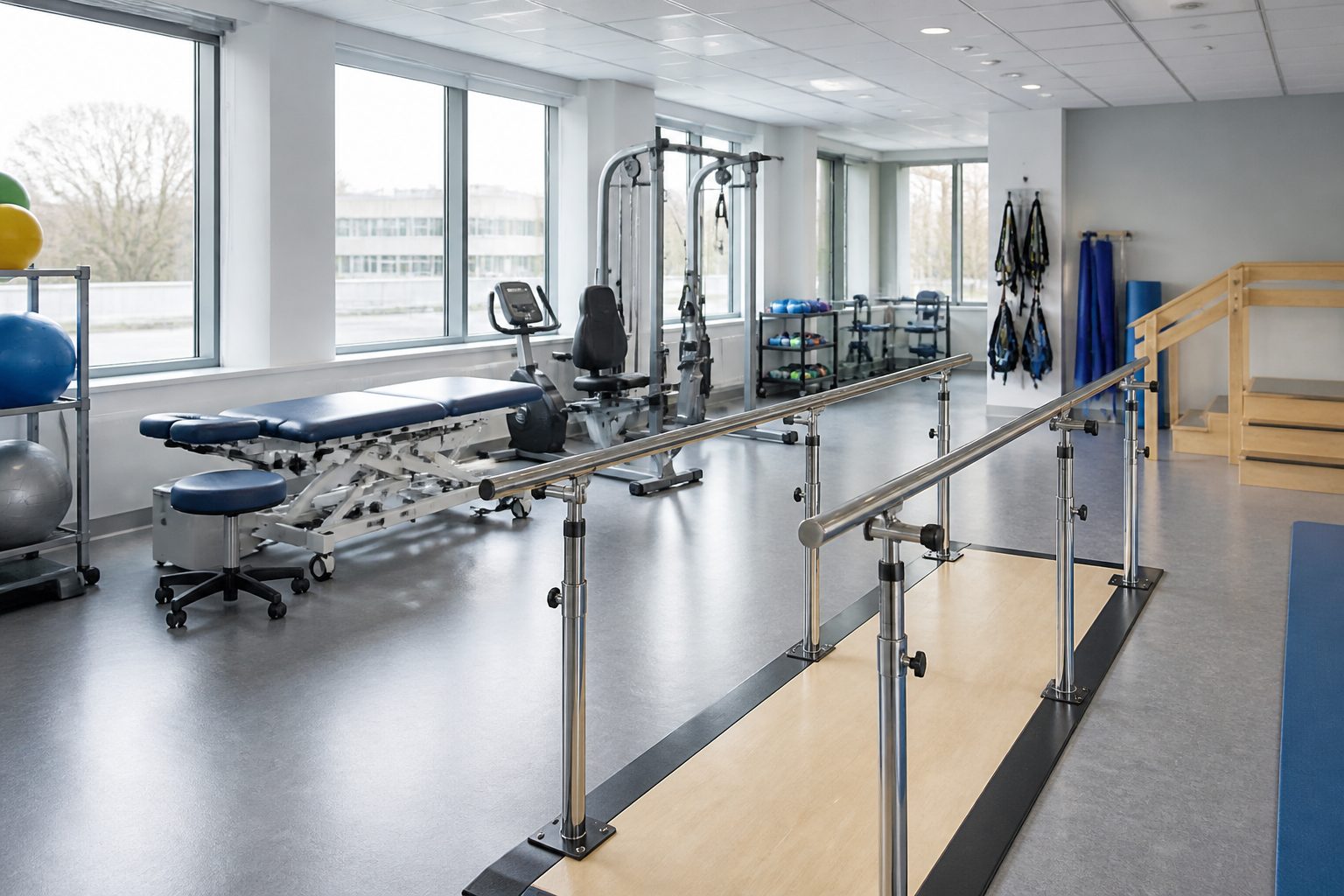
Patients with neurological disorders such as stroke, Parkinson’s disease, spinal cord injuries, or multiple sclerosis often require structured inpatient rehabilitation. This article provides a practical overview of what inpatient rehabilitation involves, who benefits most, and the typical costs you can expect in different countries—whether in a rehab hospital, specialized clinic, nursing home, or through home-based care.
Inpatient rehabilitation costs for neurological disorders range widely depending on location, facility type, and level of care required. Monthly rates can vary from under $800 (₹65,000) in India to over $20,000 in the US for a private rehab hospital stay. Understanding what is included, potential extra charges, and how to compare options can help families make informed decisions.
What inpatient rehabilitation involves
Inpatient rehabilitation for neurological disorders is an intensive, multidisciplinary process designed to help patients regain as much independence and function as possible following conditions such as stroke, traumatic brain injury, spinal cord injury, or degenerative diseases like multiple sclerosis. The program is highly structured, with patients typically receiving several hours of therapy each day, tailored to their specific deficits and goals.
The core elements of inpatient rehabilitation include:
- Physiotherapy: Daily sessions focus on restoring mobility, strength, balance, and coordination. This may involve gait training, transfer practice, and exercises targeting specific muscle groups.
- Occupational therapy: Therapists work with patients to improve their ability to perform activities of daily living (ADLs), such as dressing, bathing, eating, and using adaptive equipment. They may also assess the patient’s home or work environment to recommend modifications for safety and independence.
- Speech-language therapy: For patients with communication or swallowing difficulties, speech therapists provide targeted interventions, including language exercises, cognitive retraining, and safe swallowing techniques.
- Medical oversight: Rehabilitation physicians, neurologists, and nurses monitor medical stability, manage medications, and adjust care plans as the patient progresses. Regular rounds ensure that complications are detected early and addressed promptly.
Facilities may also offer psychological counseling, neuropsychological assessments, recreational therapy, and social work support, all contributing to a holistic approach. The length and intensity of inpatient rehabilitation vary depending on the diagnosis, severity of impairment, and the patient’s progress. In countries like Germany, Japan, or Australia, rehabilitation hospitals follow national guidelines on therapy intensity and length of stay, while in the US and Canada, insurance coverage and facility protocols play a significant role in determining duration and services.
Inpatient rehabilitation can take place in specialized rehabilitation hospitals, dedicated units within general hospitals, or, in some countries, in skilled nursing facilities or private rehabilitation clinics. The choice of setting affects not only the cost but also the range and intensity of services available. The overarching goal is to maximize recovery, reduce disability, and prepare the patient for a safe and sustainable return to home or community living. Early involvement of the patient and family in goal-setting and discharge planning is a best practice that supports better outcomes and smoother transitions.
Types of facilities and care settings
The main settings for inpatient neurological rehabilitation include:
- Rehabilitation hospitals: These are specialized centers, often accredited, offering comprehensive, physician-led rehab programs with 24-hour nursing care. They are best suited to patients with moderate to severe disabilities or complex needs.
- Physiotherapy clinics with inpatient beds: Some clinics offer intensive therapy with short-term stays, suitable for stable patients needing focused physical or occupational therapy.
- Nursing homes and skilled nursing facilities: These provide long-term care for patients with ongoing disabilities or elderly patients who require daily assistance and regular therapy.
- Assisted living with rehab: Some assisted living facilities have in-house therapy teams for residents recovering from neurological events but who do not need full hospital-level care.
- Home nursing and home-based rehab: For medically stable patients, home-based programs can deliver physiotherapy, nursing, and sometimes telemedicine supervision. This option is increasingly popular where available.
Choosing the right setting depends on the patient’s medical stability, rehabilitation goals, support needs, and family situation.
What is included in the price
The quoted price for inpatient rehabilitation for neurological disorders can be substantial, and knowing exactly what is covered is crucial for budgeting and avoiding financial surprises. In most countries, the base rate is designed to cover the core components of care, but the specifics can vary by facility, region, and whether the center is public or private.
- Accommodation: The cost typically includes either a shared or private room, with private rooms commanding a higher daily rate. In some countries, public hospitals offer only shared rooms, while private centers may offer a menu of accommodation options.
- Meals and basic nursing care: Standard meals (often tailored to medical needs) and routine nursing care—such as medication administration, vital sign monitoring, and assistance with daily activities—are generally included. Special dietary requirements may incur extra charges.
- Therapies: The daily or scheduled physiotherapy, occupational therapy, and speech-language therapy sessions are part of the package, but the number and duration of sessions can differ. Some facilities offer only one session per discipline per day, while others provide more intensive therapy at a higher cost.
- Medical oversight: Regular doctor rounds, medication management, and basic medical supervision are typically included. However, the frequency of physician visits may depend on the facility’s policies and the patient’s complexity.
However, many facilities have additional or hidden costs that are not always made clear upfront. These can include:
- Specialist consultations or advanced diagnostics: If a neurologist, cardiologist, or other specialist is needed, or if advanced tests like MRIs or CT scans are required, these are often billed separately. In countries with national health systems, some of these may be covered, but in private settings, they can be significant add-ons.
- Medications, consumables, and medical equipment: Not all medications or disposable supplies are included in the base price. Durable medical equipment, such as wheelchairs, walkers, or orthoses, may be rented or purchased at extra cost.
- Extra therapy sessions: Intensive rehabilitation programs or requests for additional therapy beyond the standard package are usually subject to extra fees, which can add up quickly.
- Personal care attendants or one-on-one nursing: If the patient requires a dedicated caregiver or private nurse, this is almost always an additional charge, with rates varying widely by country and facility.
- Transport: Transfers to and from the facility, or transportation for home-based therapy programs, are rarely included and can be costly, especially if specialized vehicles are needed.
To avoid unexpected expenses, always request a comprehensive written estimate from the facility. Ask for a line-item breakdown of what is included, what might be billed separately, and clarify policies on extra services. Inquire about insurance coverage, government subsidies, or payment plans, and keep all documentation for reference in case of billing disputes.
Monthly and per-session costs across countries
Costs for inpatient rehabilitation, physiotherapy sessions, and home care differ significantly by country and facility type. The table below summarizes typical monthly and per-session costs for major countries. These are indicative ranges for standard care for neurological disorders (e.g., post-stroke, spinal cord injury), not for highly specialized or luxury facilities.
| Country | Rehab hospital (monthly) | Nursing home (monthly) | Physiotherapy clinic (per session) | Home nursing (monthly) | Home physio (per session) |
|---|---|---|---|---|---|
| India | $800-$2,500 (₹65,000-2 lakh) | $500-$1,200 (₹40,000-1 lakh) | $8-$20 (₹700-1,700) | $500-$1,000 (₹40,000-80,000) | $10-$25 (₹800-2,000) |
| Pakistan | $700-$2,000 (PKR 200,000-570,000) | $400-$900 (PKR 115,000-260,000) | $7-$18 (PKR 2,000-5,000) | $400-$900 (PKR 115,000-260,000) | $8-$20 (PKR 2,300-5,700) |
| Bangladesh | $600-$1,800 (BDT 65,000-200,000) | $350-$800 (BDT 38,000-90,000) | $6-$15 (BDT 650-1,600) | $350-$800 (BDT 38,000-90,000) | $7-$18 (BDT 760-2,000) |
| Indonesia | $1,000-$3,000 (IDR 16-48 million) | $600-$1,400 (IDR 9.5-22 million) | $12-$30 (IDR 200,000-480,000) | $600-$1,400 (IDR 9.5-22 million) | $15-$32 (IDR 240,000-510,000) |
| Philippines | $1,000-$2,800 (₱57,000-160,000) | $700-$1,600 (₱40,000-90,000) | $10-$25 (₱570-1,400) | $700-$1,600 (₱40,000-90,000) | $12-$28 (₱680-1,600) |
| United States | $15,000-$28,000 | $7,000-$12,000 | $100-$250 | $6,000-$12,000 | $120-$300 |
| United Kingdom | $7,500-$17,000 (£6,000-13,500) | $4,000-$8,500 (£3,200-6,800) | $70-$160 (£55-125) | $3,500-$8,000 (£2,800-6,400) | $85-$200 (£65-155) |
| Germany | $8,000-$18,000 (€7,400-16,500) | $5,000-$11,000 (€4,600-10,000) | $70-$150 (€65-140) | $4,000-$9,000 (€3,700-8,300) | $80-$170 (€74-158) |
What drives the price
The cost of inpatient rehabilitation for neurological disorders is shaped by a complex interplay of factors, making it essential for patients and families to understand what influences the final bill. Prices can vary widely not just between countries, but even among facilities within the same city. Here are the primary drivers:
- Location: Major urban centers, especially in countries like the US, UK, or Australia, often have higher prices due to increased operational costs and greater demand. Private hospitals in cities like London, New York, or Sydney may charge several times more than regional or rural facilities. In contrast, some countries in Eastern Europe or Asia offer high-quality rehabilitation at a fraction of Western prices, attracting international patients.
- Facility type: Specialized rehabilitation hospitals with 24/7 medical coverage, advanced equipment, and multidisciplinary teams command premium rates. Basic nursing homes or clinics may have lower fees but may not provide the same intensity or breadth of therapy services.
- Room type: The choice between private, semi-private, or shared accommodation significantly affects cost. Private rooms offer more privacy and comfort but at a higher daily rate. In some countries, public facilities may only offer shared rooms, while private centers provide a range of options.
- Therapy intensity: The number and duration of therapy sessions per day is a major cost factor. Intensive programs with multiple daily sessions of physiotherapy, occupational therapy, and speech therapy are more expensive but may lead to faster or better outcomes. Some facilities offer tiered packages, allowing families to select the level of therapy that matches their budget and goals.
- Medical complexity: Patients who require advanced medical care—such as ventilator support, feeding tubes, tracheostomies, or frequent specialist consultations—incur higher costs due to the need for specialized staff, equipment, and monitoring. These cases often require individualized care plans and more frequent physician oversight.
- Accreditation and reputation: Internationally accredited centers (such as those with Joint Commission International, JCI, accreditation) or facilities with a strong track record and high patient satisfaction scores may charge a premium. Families may be willing to pay more for perceived quality, safety, and outcomes.
Additional factors can include the availability of advanced technology (robotic therapy, virtual reality), the inclusion of amenities such as private dining or concierge services, and the presence of multidisciplinary teams. It is common for facilities to offer different package levels, so patients can choose between standard, premium, or intensive rehabilitation based on their needs and resources. Before committing, always request clear, written information about what is included in each package, and consider visiting the facility or speaking with former patients for firsthand insights.
How to choose a facility or program
When selecting an inpatient rehabilitation center, consider the following practical points:
- Specialization: Does the facility have experience with your specific neurological condition (e.g., stroke, spinal cord injury, Parkinson’s)?
- Therapy team: Are there qualified physiotherapists, occupational therapists, and speech therapists?
- Medical support: Is there on-site medical supervision and 24-hour nursing?
- Family involvement: Are families encouraged to participate in care and discharge planning?
- Accreditation: Look for national or international accreditation where possible.
- Cost transparency: Are all fees and extras clearly explained up front?
- Language and cultural fit: For international patients, are there interpreters or staff who speak your language?
Visiting the facility, talking to former patients, and reviewing written care plans can help ensure a good match for your needs.
Hidden costs and how to save safely
While the headline price for inpatient rehabilitation might seem comprehensive, patients and families frequently encounter hidden or unanticipated costs that can significantly inflate the final bill. These additional expenses often arise from the unpredictable nature of recovery from neurological disorders, where needs can change rapidly or complications may develop. Understanding these potential costs and knowing strategies to minimize them—without compromising care quality—is essential for effective financial planning.
- Extra therapy sessions: Many facilities offer a base number of therapy sessions per day or week. If the patient requires more intensive therapy to achieve their goals, these sessions are often billed separately, sometimes at a premium rate. Always clarify in advance how many sessions are included and what the cost is for extras.
- Personal supplies: Items such as incontinence products, wound dressings, or special nutritional supplements may not be included in the standard fee. Over the course of a lengthy stay, these can add hundreds or even thousands to the overall cost.
- Transport: Transportation for medical appointments, therapy sessions outside the facility, or the eventual journey home can be expensive, particularly if specialized vehicles or medical escorts are needed. In rural areas or countries with limited public transport, these costs can be significant.
- Medical complications: Unexpected complications, such as infections or new medical issues, may require additional investigations, treatments, or even re-hospitalization, all of which can result in extra charges not covered by the standard rehabilitation package.
To manage these potential hidden costs, take the following practical steps:
- Request a detailed, itemized list of what is included in the daily or monthly rate, and ask for written policies regarding extra services and their costs.
- Discuss with the rehabilitation team which services are essential and which are optional, so you can make informed decisions about additional therapies or amenities.
- Review your health insurance policy or national health coverage to determine what is reimbursed. In the US, for example, Medicare and private insurers may cover certain aspects for a limited period, while in countries like Australia or the UK, public funding may cover basic rehabilitation but not extras.
- If budget is tight, consider public or charitable rehabilitation centers, but investigate the quality of care and therapy intensity, as these can vary. Some non-profits or government programs offer partial or full subsidies for eligible patients—ask about application processes and waiting lists.
- For stable patients, home-based or outpatient rehabilitation can be a cost-effective alternative, eliminating accommodation and some ancillary fees. However, ensure that the intensity and quality of therapy meet the patient’s needs.
Finally, stay in close communication with the rehabilitation facility’s billing office and social workers. They can help you identify financial aid options, set up payment plans, and avoid surprises. Being proactive and organized about costs is the best way to ensure that financial concerns do not interfere with optimal recovery.
Planning and transition to home care
Successful inpatient rehabilitation for neurological disorders not only focuses on recovery within the facility, but also emphasizes a smooth and well-coordinated transition to home or community-based care. This transition phase is critical in preventing setbacks, reducing hospital readmissions, and ensuring that gains made during the inpatient stay are maintained or further improved. The costs and complexity of this stage can vary greatly depending on the patient’s functional status, home environment, and available support systems.
- Training family members in basic care techniques: Before discharge, family members or caregivers may receive hands-on training in mobility assistance, transfers, wound care, medication administration, and recognizing signs of complications. This may involve several sessions with nurses and therapists, sometimes incurring additional charges if intensive or outside standard discharge planning.
- Arranging for home physiotherapy or nursing visits: Many patients require ongoing rehabilitation or nursing support at home. In countries like the UK and Canada, public health systems may provide limited home visits, but wait times and service intensity can vary. In the US, home health care is often covered by insurance for a limited period, but out-of-pocket costs can quickly rise if extended care is needed. Private home care agencies are available worldwide, with fees ranging from $20 to $100+ per hour depending on region and provider.
- Adapting the home environment: Ensuring safety and accessibility at home may require installing grab bars, ramps, stairlifts, or even hospital beds. Costs for these modifications can range from a few hundred to several thousand dollars or euros, and are often not fully covered by insurance. Some countries, like Germany or Sweden, offer government grants or subsidies for home adaptations for disabled individuals.
- Coordinating with local outpatient clinics for follow-up: Ongoing rehabilitation may shift to outpatient settings, requiring appointments with physiotherapists, occupational therapists, or neurologists. In some regions, public clinics have long waitlists, pushing families to seek private therapy at additional cost. Transportation to and from these appointments can also add up, especially in rural areas.
For patients who cannot safely return home, the rehabilitation team may recommend transition to assisted living or long-term care facilities. Early and proactive discharge planning—ideally starting at admission—involves social workers, therapists, and physicians, ensuring that the patient’s needs are assessed and resources are mobilized in advance. This approach helps prevent costly gaps in care, emergency readmissions, and the stress of last-minute arrangements. Families are encouraged to discuss financial options, insurance coverage, and community resources as early as possible, and to request a written transition plan from the rehabilitation facility.
Frequently asked questions
What is the typical length of stay for inpatient neurological rehabilitation?
The average stay ranges from 2 to 8 weeks, depending on the severity of the condition and progress made. Complex cases may require longer stays, while some patients transition to home or outpatient care sooner.
Are there government or insurance programs that help cover costs?
In many countries, government insurance or social security may cover part of the cost, especially in public hospitals. Private insurance may also reimburse for medically necessary rehabilitation, but coverage varies by plan and country.
Can family members stay with the patient?
Policies differ by facility. Some rehab hospitals allow one family member to stay in the room or in nearby accommodation, while others have restricted visiting hours. Always confirm arrangements before admission.
Is home-based rehabilitation as effective as inpatient care?
For medically stable patients with good family support, home-based rehab can be effective, especially after initial inpatient recovery. However, those with complex needs may benefit more from intensive, supervised inpatient therapy.
What should I bring for a rehab hospital stay?
Bring comfortable clothing, personal toiletries, mobility aids (if used), and any relevant medical records. Most facilities provide basic bedding and meals. Check with the hospital for a full list of recommended items.
Related guides
Disclaimer: Prices given are indicative and can vary widely by case, facility, and country. Always request a detailed written quote and consult a qualified doctor to determine the best rehabilitation approach for your specific needs.