
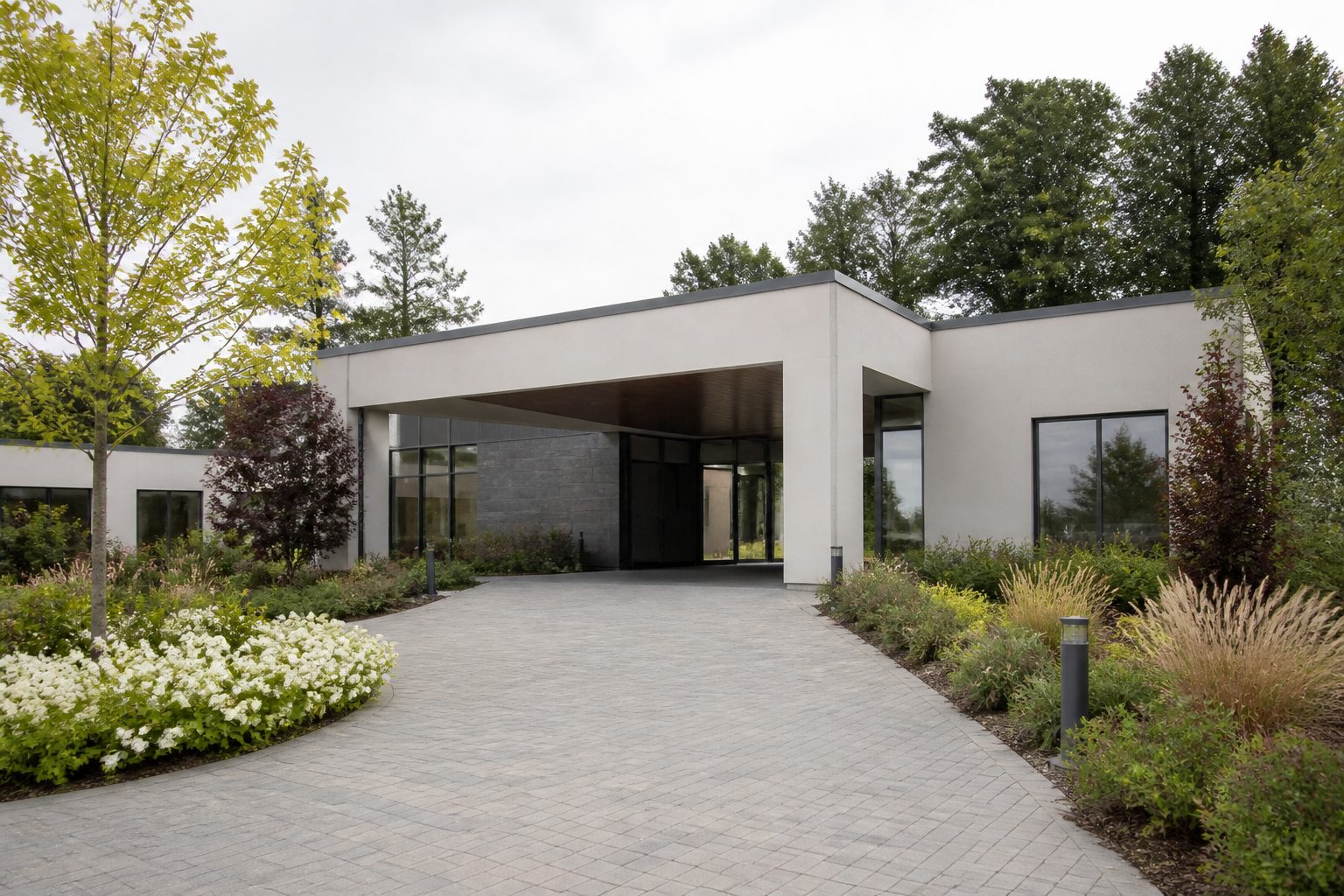
This article is for patients and families seeking high-quality palliative care in Singapore, whether for elderly relatives, terminal illness, or chronic conditions. Here you’ll find daily cost ranges, what services each center is best known for, and practical notes for both locals and international patients.
Palliative care in Singapore is delivered through a mix of inpatient hospices, hospital-based teams, and home care services. Costs typically range from $80 to $300 per day, with subsidies or free care often available for Singaporeans and permanent residents. International patients can expect to pay the full rate.
How we chose these
We selected these ten palliative care centers based on their reputation for specialty depth, patient volume, accreditation status (where known), and the presence of international patient services. Cost transparency and the range of care (inpatient, outpatient, home-based) were also considered, as was each center’s ability to serve patients with complex needs.
1. Dover Park Hospice, Singapore
Dover Park Hospice is one of Singapore’s leading institutions for comprehensive palliative care, offering inpatient, home, and day care options. Its multidisciplinary team provides symptom management, psychosocial support, and end-of-life care in a tranquil setting. The hospice is well-suited for patients who require round-the-clock medical oversight or who may not have adequate support at home. International patients should note that subsidies apply mainly to residents, but the center is open to serving overseas families.
For non-residents, costs are at the higher end, but the hospice’s reputation for compassionate care and individualized attention makes it a strong choice for those seeking quality and dignity in advanced illness.
Indicative cost: $100-$250 per day (subsidies available)
2. Assisi Hospice, Singapore
Assisi Hospice is recognized for its specialist inpatient, home, and day palliative care programs. It serves adults and children with life-limiting illnesses and is known for its holistic approach, including spiritual care and family support. The center’s modern facility provides single and shared rooms, with an emphasis on comfort and privacy. International families benefit from English-speaking staff and a well-established admissions process.
Assisi Hospice’s broad range of services makes it suitable for patients at various stages of illness, including those who wish to transition from hospital to home or require respite care for caregivers.
Indicative cost: $120-$300 per day (subsidies available)
3. HCA Hospice Care, Singapore
HCA Hospice Care is Singapore’s largest provider of home hospice services, supporting terminally ill patients who prefer to remain at home. Its team includes doctors, nurses, social workers, and allied health professionals who visit regularly to manage symptoms, provide counseling, and assist families. For Singapore citizens and permanent residents, services are fully subsidized, making this a cost-effective option for local families.
International patients may access services at full rates upon request. HCA is best for those with stable symptoms and a safe home environment, as well as families seeking to minimize hospital admissions.
Indicative cost: Free (fully subsidized for Singaporeans/PRs)
4. St. Andrew’s Community Hospital – Palliative Care Service, Singapore
St. Andrew’s Community Hospital offers both inpatient and home palliative care through a multidisciplinary team. The hospital is known for its integration with rehabilitation and sub-acute services, making it suitable for elderly patients with complex needs or those requiring physiotherapy alongside palliative care. Facilities are designed for comfort and accessibility, with options for longer-term stays.
International patients should inquire about private rates and availability, as subsidies are primarily for locals. The hospital’s experience with chronic and terminal illness care makes it a practical choice for those needing coordinated support.
Indicative cost: $100-$300 per day (subsidies available)
5. Singapore General Hospital – Department of Palliative Medicine, Singapore
The Department of Palliative Medicine at Singapore General Hospital (SGH) provides hospital-based consults, inpatient care, and outpatient support. SGH’s palliative team works closely with other specialties, enabling advanced symptom control for complex cases, including cancer and neurological diseases. The hospital is JCI-accredited and offers interpreter services for international families.
SGH is suitable for patients who need acute hospital care or specialist input, as well as those transitioning to community or home-based programs. Costs vary by ward and length of stay.
Indicative cost: $80-$300 per day (subsidies available)
6. Tan Tock Seng Hospital – Palliative Care Service, Singapore
Tan Tock Seng Hospital (TTSH) provides integrated palliative care both in the hospital and at home. Its team includes palliative physicians, nurses, and social workers experienced in managing complex symptoms and end-of-life care. TTSH’s strong rehabilitation and geriatric departments make it particularly suitable for elderly patients or those with multiple health issues.
International patients can expect comprehensive care planning and access to interpreter services. Subsidies are available for Singaporeans and PRs, with private rates for overseas patients.
Indicative cost: $100-$300 per day (subsidies available)
7. Khoo Teck Puat Hospital – Palliative Care Service, Singapore
Khoo Teck Puat Hospital offers both hospital-based and home palliative care, supported by a multidisciplinary team. The hospital is known for its patient-centered approach and modern facilities, including single rooms and family lounges. It is suitable for patients with advanced disease who need symptom management or wish to remain at home with medical oversight.
International patients are welcome, though subsidies apply mainly to residents. The hospital’s location in northern Singapore makes it convenient for families in that area.
Indicative cost: $100-$300 per day (subsidies available)
8. National University Hospital – Palliative Care Service, Singapore
National University Hospital (NUH) provides specialist palliative care for both adults and children, with hospital-based and home care options. It is known for its academic expertise and ability to handle complex or rare cases, including pediatric palliative care. NUH’s team includes palliative doctors, nurses, and allied health professionals, with support for international families via patient services and interpreters.
NUH is suitable for patients with advanced or unusual conditions, or those who require close coordination with other hospital specialties. Costs vary by care setting and eligibility for subsidies.
Indicative cost: $100-$300 per day (subsidies available)
9. Bright Vision Hospital – Palliative Care Ward, Singapore
Bright Vision Hospital provides inpatient palliative and sub-acute care, serving patients who need ongoing medical management but do not require acute hospital resources. The palliative ward offers a calm environment with medical and nursing support, making it suitable for end-of-life care or step-down from acute hospitals. The hospital also has rehabilitation and support services for families.
International patients should request a cost estimate, as subsidies are primarily for Singaporeans and PRs. The hospital’s focus on sub-acute needs makes it a good option for prolonged or complex cases.
Indicative cost: $80-$250 per day (subsidies available)
10. Metta Hospice Care, Singapore
Metta Hospice Care specializes in home hospice services for terminally ill patients, focusing on comfort, dignity, and family support. Its team of nurses and social workers provides regular home visits, symptom management, and bereavement counseling. For Singaporeans and permanent residents, care is fully subsidized, making it an accessible choice for local families preferring to keep loved ones at home.
International patients may access services by arrangement. Metta is best for those with stable symptoms and a supportive home environment.
Indicative cost: Free (fully subsidized for Singaporeans/PRs)
| Rank | Hospital | City | Known for | Indicative cost |
|---|---|---|---|---|
| 1 | Dover Park Hospice | Singapore | Comprehensive inpatient and home palliative care services | $100-$250 per day (subsidies available) |
| 2 | Assisi Hospice | Singapore | Specialist inpatient, home, and day palliative care | $120-$300 per day (subsidies available) |
| 3 | HCA Hospice Care | Singapore | Largest home hospice care provider in Singapore | Free (fully subsidized for Singaporeans/PRs) |
| 4 | St. Andrew’s Community Hospital – Palliative Care Service | Singapore | Inpatient and home palliative care, multidisciplinary team | $100-$300 per day (subsidies available) |
| 5 | Singapore General Hospital – Department of Palliative Medicine | Singapore | Comprehensive hospital-based palliative care team | $80-$300 per day (subsidies available) |
| 6 | Tan Tock Seng Hospital – Palliative Care Service | Singapore | Integrated hospital and home palliative care | $100-$300 per day (subsidies available) |
| 7 | Khoo Teck Puat Hospital – Palliative Care Service | Singapore | Hospital-based and home palliative care services | $100-$300 per day (subsidies available) |
| 8 | National University Hospital – Palliative Care Service | Singapore | Specialist palliative care for adults and children | $100-$300 per day (subsidies available) |
| 9 | Bright Vision Hospital – Palliative Care Ward | Singapore | Inpatient palliative and sub-acute care | $80-$250 per day (subsidies available) |
| 10 | Metta Hospice Care | Singapore | Home hospice care for terminally ill patients | Free (fully subsidized for Singaporeans/PRs) |
What drives the price of palliative care in Singapore?
Palliative care pricing in Singapore depends on several factors: type of facility (inpatient hospice, hospital, or home-based), room type (private or shared), length of stay, and complexity of care required. Inpatient care in private rooms is usually at the higher end of the range. Home hospice services may be subsidized or free for residents, but international patients pay private rates. Additional costs may include medication, consumables, physiotherapy, and specialist consultations.
Government subsidies significantly lower costs for Singaporeans and permanent residents, but these do not apply to foreigners. Some centers offer means-tested rates, so families should check eligibility and request a detailed breakdown of charges.
How to choose the right palliative care center
Choosing a palliative care provider involves considering the patient’s medical needs, preferred care setting (inpatient vs. home), and available family support. Hospitals are suitable for patients with unstable symptoms or those needing specialist input, while hospices and home care are better for those seeking comfort and familiarity. Location, availability of English-speaking staff, experience with international admissions, and willingness to coordinate with overseas physicians may also be relevant for foreign families.
Visit the facility if possible, ask about care plans, and check for multidisciplinary support (doctors, nurses, physiotherapists, counselors). Transparency about costs, services, and what is included is essential, especially for international patients paying out-of-pocket.
Planning tips for international patients
International families should start by contacting the center’s admissions or international patient office. Ask for an itemized quote, details on included services, and information about interpreter support. Prepare to provide medical records, recent test results, and a summary of the patient’s condition. Consider whether the patient is medically fit to travel and if a local family member or caregiver can assist with daily needs.
Be aware that most subsidies apply only to Singaporeans and PRs; international patients pay private rates. Some centers may require a deposit or advance payment. Early planning helps ensure a smooth transition and avoids last-minute complications.
What is included and not included in the price
The daily rates quoted for palliative care typically cover accommodation, nursing, basic medical care, and meals (for inpatient settings). Some centers include access to social work, physiotherapy, and counseling, but others may charge extra for these services. Costs for medications, specialist consultations, laboratory tests, and medical consumables are often billed separately. Home care rates may cover regular visits but exclude emergency call-outs or advanced medical equipment.
Families should request a full list of inclusions and exclusions before admission to avoid unexpected expenses.
Hidden costs and how to save safely
Potential hidden costs include medications not on the standard formulary, special dietary requirements, wound care supplies, and transportation for home visits. For international patients, translation services, medical escorts, and administrative fees may apply. To save safely, clarify what is covered in the daily rate, use generic medications where appropriate, and consider shared rooms. For eligible families, explore Singapore’s charitable funds or means-tested subsidies.
Never compromise on care quality to cut costs. Always choose accredited providers with a track record in palliative care.
The bottom line
Singapore offers a wide range of palliative care options, from hospital-based teams to hospices and home care. Daily costs for private patients usually range from $80 to $300, with significant subsidies for locals. International families should expect to pay the full rate and should plan admissions in advance. Choosing the right provider depends on the patient’s needs, available family support, and level of care required. Always request a detailed quote and clarify what is included.
Frequently asked questions
How do I arrange palliative care for an international patient in Singapore?
Contact the admissions or international patient office of your chosen center to discuss availability, costs, and referral requirements. You’ll need to provide recent medical records and may need to arrange for a local caregiver or family member to be present. Advance planning is recommended to ensure a smooth transition.
Are subsidies available for foreigners seeking palliative care in Singapore?
Government subsidies and free care are generally reserved for Singapore citizens and permanent residents. International patients are billed at private rates. Some charitable funds may consider applications on a case-by-case basis, but this is rare.
What services are typically included in the daily palliative care rate?
Daily rates usually cover accommodation, nursing care, basic meals, and routine medical supervision. Some centers include access to social workers or physiotherapists, but medications, specialist consults, and certain therapies are often extra.
Can patients receive palliative care at home in Singapore?
Yes, several providers offer home hospice care, which includes regular visits from nurses and doctors, symptom management, and family support. This is suitable for patients who prefer to stay at home and have stable symptoms.
How can families avoid unexpected or hidden costs?
Request an itemized quote before admission, ask about inclusions and exclusions, and clarify charges for medications, consumables, and special services. Confirm payment terms and whether deposits are required for private patients.
Related guides
Disclaimer: Prices and services listed here are indicative and may vary by hospital, individual case, and eligibility for subsidies. Readers should obtain a written quote from the provider and consult a qualified doctor for personalized medical advice.