
Spinal cord injury (SCI) rehabilitation in South Korea and Thailand is sought by patients and families seeking high-quality physiotherapy, rehabilitation medicine, and elderly care at transparent prices. Monthly inpatient rehab costs in these countries range from $1,500–$8,000, while outpatient physiotherapy typically costs $20–$75 per session.
This guide covers rehab hospitals, physiotherapy clinics, nursing homes, assisted living, and home healthcare for SCI patients. We compare costs, facilities, and care models to help you budget and plan for treatment or long-term support in either country.
What spinal cord injury rehab includes
Rehabilitation after a spinal cord injury involves a multidisciplinary approach to maximise independence, function, and quality of life. Core components include physiotherapy, occupational therapy, speech therapy (if needed), nursing care, and medical supervision. Many SCI patients require assistive devices, mobility training, and ongoing support for daily living activities. In both South Korea and Thailand, rehab may be delivered in specialised hospitals, outpatient clinics, or home-care settings, depending on the stage of recovery and patient needs.
Inpatient programmes in both countries typically provide 24/7 nursing care, daily therapy sessions, routine medical rounds, and access to equipment such as standing frames, electrical stimulation devices, and hydrotherapy pools. Outpatient and home-based rehab focus on physiotherapy, occupational therapy, and nursing support, often with flexible scheduling. For elderly or chronically disabled SCI patients, nursing homes and assisted living facilities can provide long-term care, while palliative home healthcare is available for those with progressive or late-stage complications.
Cost comparison: South Korea vs Thailand
Costs for spinal cord injury rehabilitation depend on care setting, intensity, and location. South Korea tends to have higher prices than Thailand, but both offer competitive rates compared to Western countries. Below is a summary of typical costs for key services in each country.
| Service | South Korea (USD) | Thailand (USD) |
|---|---|---|
| Inpatient rehab (per month) | $3,500–$8,000 (₩4.7–10.8 million) | $1,500–$4,500 (฿55,000–165,000) |
| Outpatient physiotherapy (per session) | $40–$75 (₩54,000–100,000) | $20–$55 (฿750–2,000) |
| Nursing home (per month) | $2,500–$6,500 (₩3.4–8.8 million) | $1,200–$2,800 (฿44,000–105,000) |
| Assisted living (per month) | $2,000–$5,000 (₩2.7–6.7 million) | $1,000–$2,200 (฿36,000–77,000) |
| Home nursing (per day) | $90–$180 (₩120,000–240,000) | $45–$120 (฿1,700–4,400) |
| Palliative home care (per day) | $100–$250 (₩134,000–335,000) | $60–$150 (฿2,200–5,500) |
Prices vary by city, hospital reputation, and level of care. Internationally accredited hospitals and top-tier facilities generally charge at the higher end of these ranges.
What is and isn’t included in quoted prices
When comparing rehabilitation costs in South Korea and Thailand, it’s vital to understand exactly what is included in the quoted prices and what services or items may require additional payment. Inpatient rehabilitation packages typically cover your hospital room or ward bed, daily meals, basic nursing care, routine physiotherapy and occupational therapy sessions, and general medical supervision by rehabilitation doctors. These inclusions form the core of most quoted rates, but many essential services are often considered extras.
Specialist consultations (such as neurology, urology, or respiratory medicine), advanced diagnostic imaging (MRI, CT scans), and prescription medications are usually billed separately. If your rehabilitation plan includes advanced therapies like hydrotherapy, robotic-assisted walking, or virtual reality-based exercises, these may incur additional daily or per-session charges. Assistive devices—such as wheelchairs, orthoses, or adaptive equipment—are rarely included and must be rented or purchased at extra cost. Wound care supplies and complex nursing interventions (such as pressure sore management or tracheostomy care) may also add to your bill.
Language support, airport transfers, and family accommodation are sometimes available through the hospital or partner agencies, but these are generally not part of standard medical packages and are charged separately. Outpatient physiotherapy fees usually cover the therapist’s time and basic use of the facility’s equipment, but advanced modalities (like electrical stimulation, hydrotherapy, or manual lymphatic drainage) and longer sessions are often priced as add-ons.
For nursing home or assisted living stays, the quoted rates generally include a shared or private room, meals, basic nursing care, and limited social activities. However, personal care aides, private rooms, specialized diets, and intensive wound or respiratory care typically increase the cost. Home nursing and palliative care are generally billed per visit or per day, with higher rates for night shifts or more complex care requirements. Always request a comprehensive, itemized quote and ask about potential extra charges to avoid surprises and ensure your budget matches your care needs.
Rehabilitation hospitals and clinics: what to expect
South Korea and Thailand offer a diverse landscape of rehabilitation facilities, ranging from large, internationally accredited hospitals to smaller specialty clinics and community-based care options. In major cities such as Seoul, Busan, Bangkok, and Chiang Mai, you’ll find renowned hospitals with dedicated spinal cord injury (SCI) rehabilitation wards. These units are typically staffed by experienced teams of physiatrists, physiotherapists, occupational therapists, speech therapists, and rehabilitation nurses who specialize in SCI management. Many of these hospitals are accredited by Joint Commission International (JCI) or their respective national health authorities, which helps ensure adherence to international standards of care and safety.
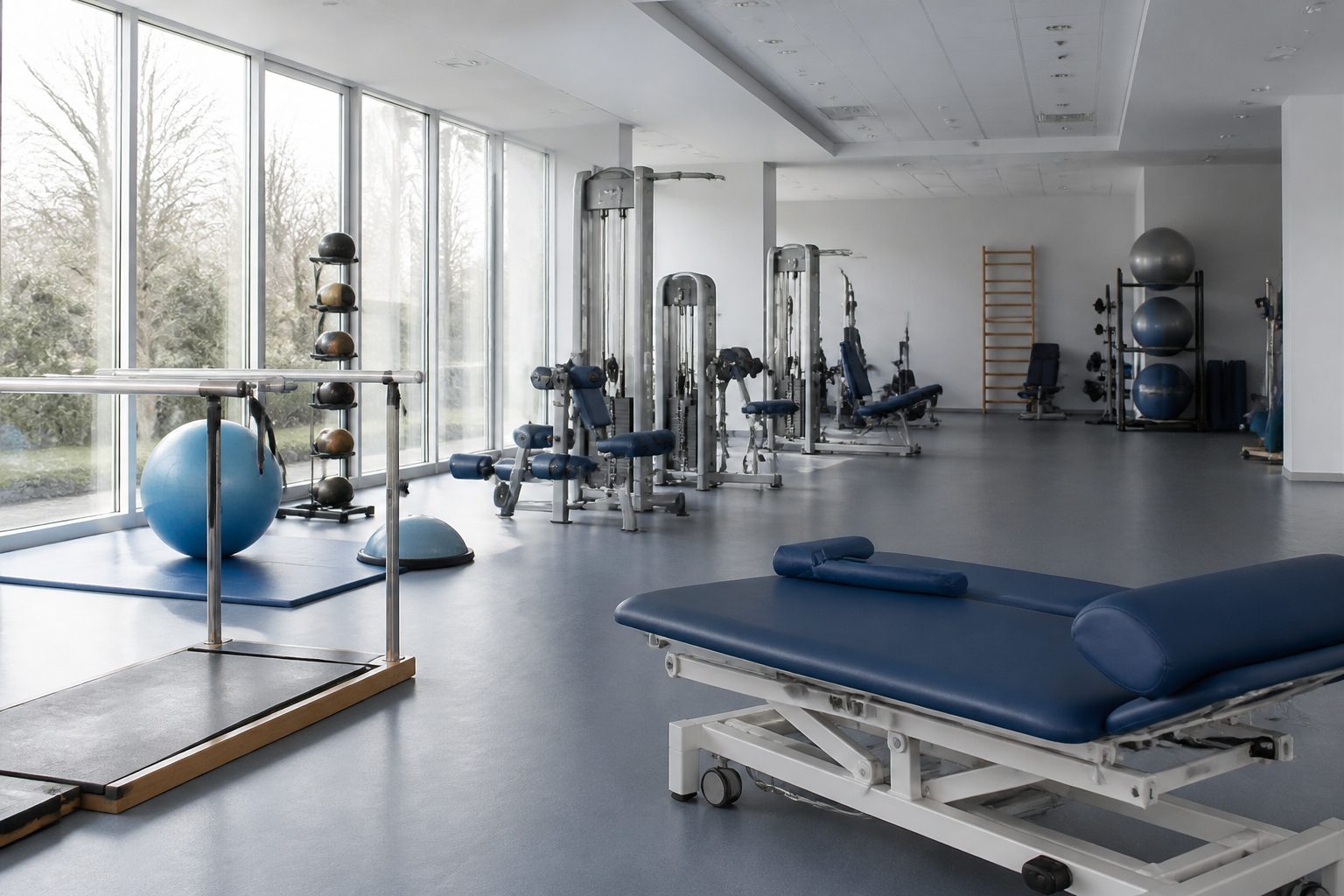
Facilities at larger hospitals often include state-of-the-art rehabilitation gyms equipped with parallel bars, robotic gait trainers, hydrotherapy pools, and advanced assistive devices for gait and mobility training. Patients can expect individualized therapy plans, regular team meetings to review progress, and access to a range of diagnostic and medical services under one roof. English-speaking coordinators or interpreters are commonly available at these hospitals, making them more accessible for international patients. Some hospitals also offer on-site accommodation for family members, though this may come at an extra cost.
Smaller clinics, particularly those outside major urban centers, may provide high-quality outpatient physiotherapy at more affordable rates. However, these facilities often have more limited English support and may not offer the same breadth of medical supervision or advanced technology as larger hospitals. Home healthcare agencies in both countries can provide skilled nursing and physiotherapy visits for patients who are stable or transitioning from hospital to home. These services are tailored to individual needs and may include wound care, medication management, and mobility training.
For long-term or elderly SCI patients, nursing homes and assisted living facilities in South Korea and Thailand offer 24-hour care, basic rehabilitation, and social activities. However, the intensity of therapy is generally lower than in hospital-based programs. Before choosing a facility, it’s advisable to visit in person or arrange a virtual tour to assess cleanliness, accessibility, staff qualifications, and the general environment. By understanding the range of available options, you can select a setting that best matches your medical needs, language preferences, and budget.
Hidden costs and what to clarify before admission
Understanding the full financial implications of rehab abroad requires a careful review of what is—and isn’t—covered in your quoted price. In both South Korea and Thailand, while headline rates for inpatient or outpatient rehabilitation may appear competitive, there are often additional expenses that can significantly increase your total outlay. Common hidden costs include prescription medications (especially if you require ongoing pain management or specialized drugs), consultations with specialists (such as neurologists, urologists, or wound care experts), and the use of consumable medical supplies like catheters, dressings, and incontinence products. Advanced therapies—such as robotic-assisted gait training, hydrotherapy, or electrical stimulation—are frequently billed as add-ons rather than being included in standard packages.
Language support is another area where extra charges may apply. Some hospitals provide basic English interpretation for free, but more extensive translator services or support in other languages can incur daily or hourly fees. Family accommodation, airport transfers, and meals for visitors are rarely included and can add up quickly, especially in major cities like Seoul or Bangkok where hotel rates are higher.
If you opt for home-based care, clarify whether the quoted rates for nursing or physiotherapy visits include transportation costs for staff, as well as rental or purchase of essential equipment such as hospital beds, commodes, or wheelchairs. Consumables (catheters, wound dressings, gloves, disinfectants) are usually billed separately and may not be covered by insurance. Some facilities require a substantial upfront deposit or advance payment covering the first two weeks or month of care. Be sure to request a detailed, written breakdown of all anticipated costs, including deposit requirements, payment schedules, and the process for handling unforeseen expenses.
Finally, review cancellation and refund policies thoroughly—especially if your situation may change due to medical complications or travel restrictions. For long-term stays, ask whether costs will increase as care needs rise or if there are scheduled annual price adjustments. By clarifying these points before admission, you can avoid unpleasant financial surprises and plan your budget with greater confidence.
How to save without compromising safety
To manage costs, consider starting inpatient rehab at a top-tier hospital for the initial weeks, then transferring to a lower-cost facility or outpatient clinic for ongoing therapy. Many patients alternate between hospital-based and home-based care as their condition stabilises. Outpatient physiotherapy at local clinics is usually much less expensive than hospital-based care. In Thailand, facilities in Chiang Mai or other secondary cities often offer lower rates than those in central Bangkok.
If staying long-term, look for package deals or monthly rates, which are usually cheaper than paying per day. For home nursing, hiring directly through reputable agencies rather than hospitals can reduce costs, but vet staff credentials carefully. Group therapy sessions, where available, may be more affordable than one-on-one sessions. Always prioritise facilities with a track record in SCI rehab, and confirm the availability of emergency medical backup, especially if considering a nursing home or home care for complex cases.
How to choose a rehab provider
Selecting the right rehabilitation provider for spinal cord injury in South Korea or Thailand involves evaluating a range of factors that impact both clinical outcomes and your overall experience. First, prioritize facilities with demonstrated expertise in spinal cord injury (SCI) rehabilitation. Look for hospitals or clinics with dedicated SCI units, experienced physiatrists (rehabilitation doctors), and a multidisciplinary team including physiotherapists, occupational therapists, speech therapists, and rehabilitation nurses. These professionals should have experience managing not only mobility training but also bowel, bladder, respiratory, and autonomic complications unique to SCI.
Accreditation is another key consideration. Facilities accredited by organizations such as Joint Commission International (JCI) or local health authorities are more likely to meet international standards for safety and quality. For non-Korean or non-Thai speakers, robust language support is essential. Confirm that the hospital provides English-speaking coordinators, interpreters, or even staff fluent in your native language, especially for complex discussions about care plans and financial arrangements.
Transparency in cost structures is vital. Ask for detailed, written estimates and clarify what is included in the daily or package rates. For short-term inpatient rehab, prioritize hospitals with advanced rehabilitation technology (e.g., robotic gait trainers, hydrotherapy pools) and comprehensive diagnostic capabilities. For long-term care—especially for elderly patients or those with high dependency—assess the facility’s ability to manage chronic complications such as pressure sores, ventilator support, and regular catheterization. Visit the facility in person if possible, or request a live virtual tour to inspect cleanliness, accessibility, and the general environment.
Seek testimonials or contact information for previous international patients to gauge satisfaction and outcomes. Clarify discharge planning: Does the provider offer assistance with home modifications, equipment procurement, or training for family caregivers? If you may require palliative or end-of-life care, discuss the provider’s philosophy, available services, and support for families during difficult transitions. By thoroughly researching and asking targeted questions, you can find a provider that matches your clinical needs, language preferences, and financial situation.
Tips for planning your rehab stay
Planning a rehabilitation stay abroad for spinal cord injury requires careful, early preparation to minimize stress, avoid unexpected expenses, and ensure continuity of care. In South Korea and Thailand, some leading rehabilitation hospitals have significant waiting lists, particularly for long-term or high-dependency beds, so it is wise to begin inquiries and applications as early as possible—ideally several months ahead. Collect all relevant medical documentation, including recent imaging, surgical reports, medication lists, and a comprehensive referral letter from your treating physician. If your documents are not in English or the local language (Korean or Thai), arrange for certified translations to avoid delays in admission or misunderstandings about your care needs.
Budgeting is crucial. Beyond the quoted medical costs, you should plan for international flights, airport transfers, and daily living expenses such as meals outside the hospital, laundry, and transportation. Family accommodation, whether in hospital guesthouses, hotels, or serviced apartments, is rarely included in medical estimates, so research options near your chosen facility. Consider travel insurance that covers not only medical emergencies and repatriation but also complications arising from your spinal cord injury, as some insurers exclude pre-existing conditions or extended stays.
For stays exceeding 30 days, check visa requirements for both patients and accompanying caregivers. South Korea and Thailand have specific medical visas, but extensions may be necessary and require supporting documentation from the treating hospital. If mobility is limited, arrange accessible airport pickups and confirm that taxis or shuttles can accommodate wheelchairs. For home or serviced apartment stays, ensure the environment is wheelchair-friendly, with features like ramps, grab bars, and accessible bathrooms. If needed, ask your provider or a local agency to inspect and modify your accommodation before arrival.
Finally, coordinate regular updates with your home-country doctor to ensure a smooth transition after discharge. Set up virtual check-ins, and clarify who will manage your follow-up care and prescriptions once you return home. Having a clear plan will help you and your family feel more secure during your rehabilitation journey abroad.
Frequently asked questions
How long does spinal cord injury rehab usually last?
The duration depends on the type and severity of injury. Intensive inpatient rehab often lasts 4–12 weeks, followed by ongoing outpatient or home-based physiotherapy, which may continue for months or years depending on progress.
Are there English-speaking staff in South Korea and Thailand rehab centres?
Major private hospitals and international clinics in both countries usually have English-speaking coordinators and some therapists. Smaller clinics and public hospitals may have limited English support, so check in advance.
Can family members stay with the patient during rehab?
Some hospitals offer family accommodation or allow family members to stay in the patient’s room for an extra fee. Nursing homes and assisted living facilities typically have visitor policies; clarify arrangements before booking.
Is insurance accepted for rehab costs?
Some international insurance plans are accepted by private hospitals, but coverage for rehabilitation varies. Always confirm with both your insurer and the hospital, and be prepared to pay upfront if required.
What support is available for long-term or elderly SCI patients?
Both countries offer nursing homes and assisted living for long-term care, as well as home nursing and palliative care services. The intensity of rehabilitation in these settings is usually lower than in hospitals, focusing on comfort and daily living support.
Related guides
Disclaimer: Prices in this guide are indicative and vary by hospital, location, care level, and individual case. Always request a written quote and consult a qualified doctor for personalised advice before making decisions about spinal cord injury rehabilitation.