
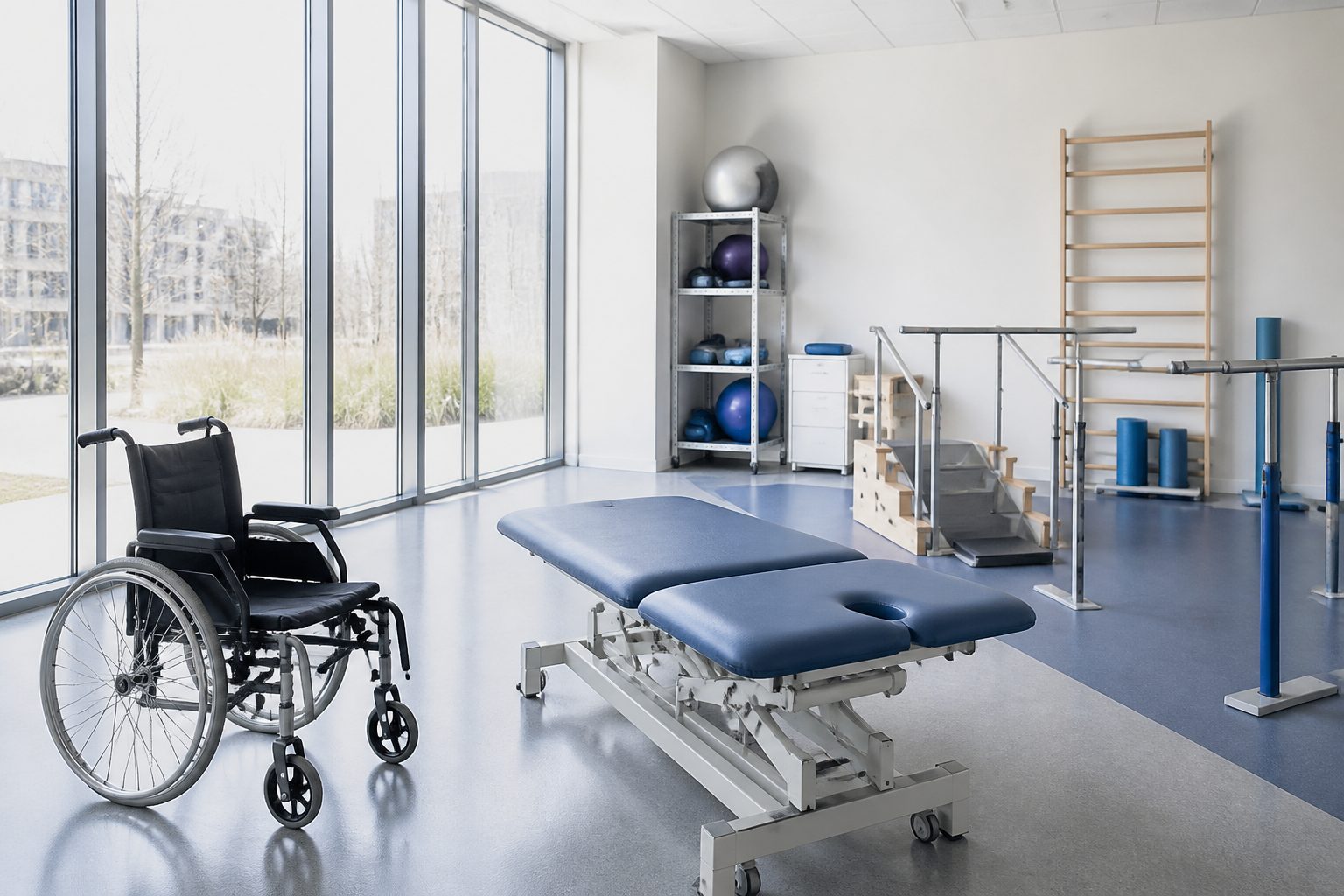
If you are comparing Alzheimer’s care costs between the USA and the Philippines, expect a wide range in pricing. Monthly care can range from $250 in the Philippines to over $8,000 in the USA, depending on the care setting and services required.
This guide breaks down costs for physiotherapy, rehabilitation, nursing homes, assisted living, home healthcare, and palliative care. It will help families and patients understand what to budget for, what is included in typical packages, and how to plan for long-term care needs in both countries.
Alzheimer’s care options: what is available?
Alzheimer’s disease is a progressive neurological disorder requiring increasing levels of care over time. In both the USA and the Philippines, patients and their families can choose from a spectrum of care options:
- Physiotherapy and rehabilitation clinics: Focused on mobility, balance, and cognitive exercises to slow decline and maintain independence as long as possible.
- Nursing homes: Residential facilities with 24-hour supervision, meals, and medical care for those needing significant assistance.
- Assisted living: For patients who need help with daily activities but do not require round-the-clock medical care.
- Home healthcare and home nursing: Professional caregivers or nurses visit the patient’s home for medical and non-medical support.
- Palliative care: Focuses on comfort and quality of life for advanced Alzheimer’s, often provided at home or in specialised facilities.
The availability and quality of these services vary between the USA and the Philippines, as do pricing models and what is included in the cost.
Cost comparison: USA vs Philippines
Here is a direct comparison of typical costs for major Alzheimer’s care services in both countries. Prices are averages and can vary by city, facility, and level of care required. In the Philippines, costs are shown in USD with approximate Philippine Peso (PHP) equivalents. For the USA, costs are in USD.
| Service | USA (USD) | Philippines (USD / PHP) | Billing model |
|---|---|---|---|
| Physiotherapy session | $100-$250 | $15-$30 (₱850-1,700) | Per session |
| Rehabilitation hospital (inpatient) | $600-$1,500/day | $100-$200/day (₱5,600-11,000) | Per day |
| Nursing home | $6,000-$10,000/month | $350-$1,500/month (₱20,000-85,000) | Per month |
| Assisted living | $4,000-$7,000/month | $250-$1,000/month (₱14,000-56,000) | Per month |
| Home nursing (8 hrs/day, 5 days/wk) | $4,000-$8,500/month | $350-$900/month (₱20,000-50,000) | Per month |
| Palliative care (home visits) | $150-$400/visit | $20-$50/visit (₱1,100-2,800) | Per visit |
What is included in the costs?
The total price of Alzheimer’s care depends heavily on what services and amenities are bundled into the base rate versus what is considered an add-on. Understanding exactly what is covered helps families avoid surprise expenses and make informed comparisons between providers in both the USA and the Philippines, where care models and inclusions can differ significantly.
- Included: In most residential care settings, the base fee typically covers accommodation (shared or private room), all meals, basic nursing care, assistance with daily living activities (such as bathing, dressing, and toileting), medication administration, and access to group activities or physiotherapy sessions. In the USA, 24/7 supervision and security are standard in memory care units. In the Philippines, supervision may be less intensive, but live-in staff or caregivers are common in residential homes.
- May be excluded or extra: Many facilities charge separately for specialist consultations (neurologist, psychiatrist), advanced or experimental therapies, personal hygiene supplies (like adult diapers, special skincare products), laboratory tests, and ambulance or medical transport services. Certain medications, especially those not on a facility’s standard formulary or imported drugs in the Philippines, may also incur extra charges. Some homes in both countries offer additional services like hairdressing, laundry, or recreational outings for a fee.
Home nursing and home healthcare services are often more flexible, with packages ranging from full-time live-in care to part-time or hourly visits. In the USA, agencies may require a minimum number of hours per week or per visit, and rates may increase for night or weekend shifts. In the Philippines, families frequently negotiate terms directly with caregivers or agencies, which can allow for more personalized arrangements but may also mean less formal oversight. Always clarify what is included in any care agreement, and request a written breakdown to prevent misunderstandings and unexpected costs.
Hidden costs to watch for
When budgeting for Alzheimer’s care, families often overlook a range of additional expenses that can significantly increase the total outlay over time. These hidden costs can arise unexpectedly and vary depending on the country, facility, or care arrangement. Being aware of these potential expenses allows for more accurate financial planning and helps avoid surprises that could strain family resources.
- Admission and assessment fees: Many care homes and agencies in both the USA and the Philippines charge a one-time fee for initial evaluation, paperwork, or setup. In the USA, these fees can range from $500 to over $3,000, while in the Philippines, they are typically lower but still notable relative to average incomes.
- Upgrades for private rooms: While shared accommodations are more affordable, opting for a private room can add $1,000 or more per month in the USA, and $100-$300 monthly in the Philippines. Privacy and comfort may be worth the extra cost, but it’s important to factor this into your budget.
- Emergency or after-hours care: Home health agencies and some facilities charge premium rates for services provided on nights, weekends, or holidays. In the USA, after-hours rates can be 1.5 to 2 times higher than standard rates. In the Philippines, this is less formalized but caregivers may expect additional compensation.
- Transportation: Ambulance services, medical transport vans, or even regular trips to clinics are seldom included in base fees. In the USA, a single ambulance ride can cost several hundred to thousands of dollars. In the Philippines, while public transport is inexpensive, private medical transport can still be costly relative to income.
- Supplies and special diets: Items like adult diapers, nutritional supplements, and personal hygiene products are often billed separately. Special diets, such as those for diabetes or swallowing difficulties, may incur extra charges. In both countries, these recurring expenses add up over time.
To avoid unexpected bills, always request a detailed, itemized quote from any facility or agency. Ask specifically about what is included, what is extra, and which services may trigger additional charges. Regularly review invoices and clarify any unfamiliar fees as soon as they appear.
What drives the price: key factors
The cost of Alzheimer’s care can vary dramatically based on several key factors, many of which differ between the USA and the Philippines due to differences in healthcare infrastructure, labor costs, and cultural norms. Understanding what drives these prices helps families anticipate expenses and make informed choices about care settings and service levels.
- Level of care needed: Patients requiring round-the-clock supervision, help with all daily activities, complex medical management, or behavioral interventions (such as for aggression or wandering) will incur higher costs. In the USA, specialized memory care units charge more than standard assisted living, while in the Philippines, hiring a live-in nurse is significantly more expensive than a companion or basic caregiver.
- Facility type and location: Urban centers like New York, Los Angeles, Manila, and Cebu command higher rates due to increased demand and higher operating costs. Premium facilities, especially those with international accreditation (such as Joint Commission International), charge a premium for amenities, staff training, and safety standards. Rural or provincial facilities in the Philippines, or small towns in the USA, tend to be more affordable but may offer fewer services.
- Staff qualifications and ratios: Facilities with a higher ratio of nurses or certified dementia care specialists to residents provide more individualized attention and charge accordingly. In the USA, state regulations may set minimum staffing levels, impacting costs. In the Philippines, while staff-to-patient ratios are generally lower, some upscale homes or hospitals offer higher staffing levels at a premium.
- Duration and frequency: Long-term contracts (six months or more) may offer discounts, while short-term respite care or per-session services typically cost more per day or hour. In-home care rates can also vary based on the number of hours required each week.
- Extras: Private rooms, access to physiotherapy, speech therapy, or recreational activities, and optional services like transportation or special diets can all add to the base price. In both countries, these extras are often billed separately.
Overall, Alzheimer’s care in the Philippines is typically 70-90% less expensive than in the USA, primarily due to lower wages and operating costs. However, the range and quality of available services can be more variable, so families should weigh cost savings against care standards and supervision. Always compare what is included in the quoted price and ask about all potential add-ons before making a decision.
How to save on Alzheimer’s care safely
While cost is a major consideration, quality and safety should never be compromised. Here are practical ways to reduce costs:
- Home care vs facility care: In both countries, home care is often cheaper than institutional care, especially if family members can provide some support.
- Mix and match services: In the Philippines, families sometimes combine part-time professional care with support from relatives to reduce costs.
- Government and insurance support: Medicare and Medicaid in the USA may cover some nursing home or home healthcare costs. In the Philippines, PhilHealth provides limited coverage, mostly for hospitalisation.
- Negotiate packages: Especially in the Philippines, it’s common to negotiate monthly rates with agencies or individual caregivers.
- Look for accredited providers: Choose facilities with Department of Health (Philippines) or state licensure (USA) for basic safety standards. International accreditations (JCI, NABH) are a plus but less common in elderly care.
Always check references, staff credentials, and facility inspection records before choosing a provider.
How to choose the right care for Alzheimer’s
Selecting the most appropriate care setting for a loved one with Alzheimer’s is a complex process that requires balancing medical needs, safety, family involvement, and financial considerations. The right choice may evolve as the disease progresses, and options differ significantly between the USA and the Philippines in terms of availability, cost, and cultural expectations.
- Assess needs: Begin by evaluating the patient’s current abilities, including mobility, behavior, ability to perform daily activities, and medical complexity. Is the person at risk of wandering or falls? Do they need help with medications, feeding, or toileting? Involve a physician or geriatric care manager in the assessment if possible.
- Compare options: In the USA, options range from in-home care and adult day programs to assisted living and specialized memory care units. In the Philippines, choices include family-based care, hiring private caregivers, or residential care homes, which may be less regulated. Visit facilities (physically or virtually), observe staff interactions, and inquire about staff training in dementia care, activity programming, and security measures (such as locked doors and monitoring systems).
- Location: Proximity to family members, hospitals, and emergency services is crucial for ongoing support and peace of mind. In urban US areas, facilities are plentiful but expensive; in rural areas, options may be limited. In the Philippines, being near extended family is often prioritized, as relatives may help with care.
- Understand contracts: Review service agreements thoroughly. Look for details on what is included, refund and deposit policies, notice periods for termination, and any exclusions or extra charges. Legal protections are stronger in the USA, but families everywhere should seek clarity before signing.
- Trial periods: Some facilities offer short-term or trial stays so families can assess fit before making a long-term commitment. This is more common in the USA, but some Philippine care homes may accommodate short-term arrangements if requested.
In the Philippines, personal recommendations and word-of-mouth referrals are particularly important due to fewer formal reviews and less regulatory oversight compared to the USA. Regardless of location, revisit the care arrangement regularly as the patient’s needs change, and don’t hesitate to seek professional advice or second opinions when making these crucial decisions.
Planning for long-term costs
Alzheimer’s disease is a chronic, progressive condition that can span a decade or more, with care needs intensifying over time. Families must prepare for a lengthy financial commitment, as the costs of care often rise with the progression of the disease. Effective planning involves several concrete steps and considerations, which can differ between the USA and the Philippines due to differences in healthcare systems, insurance options, and typical care models.
- Budget realistically: Anticipate the need for 5-10 years of care, understanding that costs typically escalate as the patient’s independence declines. In the USA, annual costs for memory care or nursing homes can exceed $60,000, and home care averages $25-$30 per hour. In the Philippines, while monthly rates are much lower (often $500-$1,500 for residential care), families must still account for long-term accumulation, especially if hiring private nurses or caregivers.
- Consider inflation: Healthcare and caregiving costs often outpace general inflation, particularly in the USA where medical inflation can be 2-3% higher than the standard rate. This means that the cost of care could double over a decade. In the Philippines, inflation is generally lower, but imported medications and supplies can increase in price unpredictably.
- Legal and financial planning: In the USA, explore long-term care insurance, Medicaid planning, and legal tools like powers of attorney and advance directives. Early financial planning can help protect assets and ensure eligibility for government programs. In the Philippines, while insurance options are limited, families should consider property and asset management, and designate trusted individuals for financial and healthcare decision-making.
- Support networks: Both countries have Alzheimer’s associations and local support groups that offer practical advice, emotional support, and sometimes financial guidance. In the USA, the Alzheimer’s Association provides resources for financial planning and care navigation. In the Philippines, family networks and community groups are often the main sources of information and support.
Families should review their financial situation and care plan at least annually, adjusting for changes in the patient’s needs, available resources, and shifts in the cost of care. Proactive planning helps avoid last-minute decisions that can lead to financial strain or suboptimal care arrangements.
Frequently asked questions
How much does a nursing home cost per month in the USA and Philippines?
In the USA, nursing homes typically charge $6,000 to $10,000 per month, depending on location and care level. In the Philippines, monthly costs range from $350 to $1,500, with private facilities in cities at the higher end and basic care in smaller towns at the lower end.
Is home care cheaper than residential care for Alzheimer’s?
Yes, home care is usually less expensive, especially if family members can share caregiving duties. In the USA, professional home nursing is $4,000-$8,500/month, while the Philippines offers part-time home care from $250/month. However, costs rise with increased hours and medical complexity.
Are physiotherapy and rehabilitation included in standard Alzheimer’s care?
Basic physiotherapy may be included in some nursing home or assisted living packages, but often it is billed separately. In both countries, expect to pay per session: $100-$250 in the USA and $15-$30 in the Philippines. Always confirm what is included before starting care.
What does assisted living provide for Alzheimer’s patients?
Assisted living offers help with daily activities (bathing, dressing, meals), medication reminders, and some supervision. It is suitable for early to mid-stage Alzheimer’s. Medical care is usually less intensive than in nursing homes, and costs are generally lower.
How can I check if a facility is properly licensed or accredited?
In the USA, check state health department websites for facility licenses and inspection reports. In the Philippines, the Department of Health lists accredited elderly care facilities. Ask providers for proof of licensure and, if available, international accreditations like JCI.
Related guides
Disclaimer: Prices in this article are indicative and can vary by individual case and facility. Always request a written quote and consult a qualified doctor or care professional before making decisions on Alzheimer’s care.