
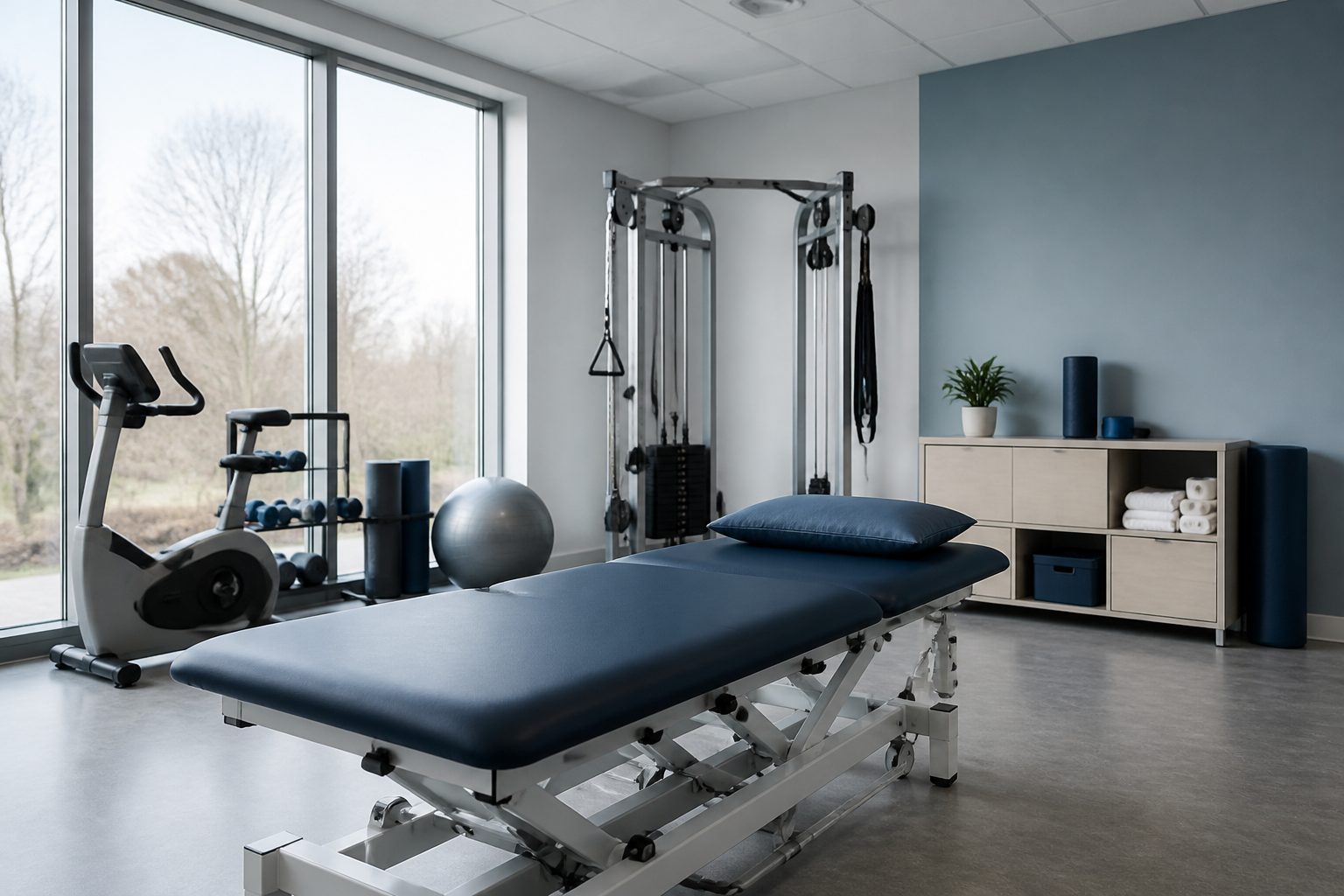
Patients and families considering physiotherapy or rehabilitation in Singapore or the UAE often want a clear idea of what each session will cost, as well as the expenses for ongoing care in clinics, hospitals, or at home. This guide provides practical fee ranges for per-session physiotherapy, monthly rehab, elderly care, and home healthcare across both countries.
In Singapore, per-session physiotherapy typically costs $45-$110, while in the UAE, fees range from $40-$100. Monthly rates and home-based services are higher, reflecting the type of facility and level of care provided.
What per-session physiotherapy costs in Singapore and UAE
The cost of a physiotherapy session in Singapore and the UAE depends on several factors, including the type of facility (private clinic, public hospital, or home care), the experience and specialization of the therapist, and the length and complexity of the session. In both countries, a standard outpatient session typically lasts 45 to 60 minutes, and fees are most commonly quoted on a per-session basis. Many providers offer package deals for multiple sessions, which can provide significant savings—especially for patients needing ongoing rehabilitation.
In Singapore, private physiotherapy clinics generally charge between $55 and $100 per session (SGD 75–135). These prices reflect the clinic’s location, the therapist’s qualifications, and the level of service provided. Government-subsidized centers, such as those run by public hospitals or community organizations, may offer rates as low as $30–$50 per session (SGD 40–65) for eligible Singaporean citizens and permanent residents, although non-residents typically pay higher, unsubsidized rates. Hospital-based physiotherapy services are usually at the upper end of the price range, but they provide access to multidisciplinary rehabilitation teams and advanced equipment, which can be important for complex or severe cases.
In the UAE, private clinics typically charge $40–$100 per session (AED 150–370), with the exact fee depending on factors such as the clinic’s reputation, location (Dubai and Abu Dhabi tend to be more expensive), and the therapist’s experience. Package discounts are common, and some clinics offer special rates for children, seniors, or long-term patients. Hospital-based physiotherapy in the UAE is often more expensive than standalone clinics, but may be necessary for patients requiring specialist input or advanced modalities. Home physiotherapy services are available in both countries and can cost more per session due to travel time and convenience, especially for visits outside regular hours or to remote locations.
Monthly rates for rehabilitation and elderly care
For patients needing ongoing rehabilitation or elderly care, monthly costs become a key concern. In Singapore, inpatient rehabilitation at private hospitals can cost $4,000-$10,000 (SGD 5,400-13,500) per month, depending on the level of medical and nursing care needed. Community hospitals and government-subsidised facilities are more affordable but may have waiting lists.
In the UAE, inpatient rehabilitation ranges from $3,500-$8,500 (AED 13,000-31,000) per month in private hospitals. Long-term elderly care (nursing homes or assisted living) is less common in the UAE than in Singapore, but where available, costs can exceed $4,000 (AED 15,000) per month for high-dependency care. Both countries have seen growth in home-based rehabilitation and nursing services, which may be more cost-effective for some families.
Cost comparison table: Singapore vs. UAE
| Service type | Singapore (USD/SGD) | UAE (USD/AED) |
|---|---|---|
| Outpatient physiotherapy (per session) | $45-$110 (SGD 60-150) | $40-$100 (AED 150-370) |
| Inpatient rehab (per month, private) | $4,000-$10,000 (SGD 5,400-13,500) | $3,500-$8,500 (AED 13,000-31,000) |
| Home physiotherapy (per session) | $65-$140 (SGD 90-190) | $55-$120 (AED 200-440) |
| Elderly care/nursing home (per month) | $2,300-$6,000 (SGD 3,100-8,100) | $3,000-$7,000 (AED 11,000-26,000) |
| Assisted living (per month) | $2,000-$4,500 (SGD 2,700-6,100) | $2,500-$5,500 (AED 9,000-20,000) |
| Home nursing (per visit) | $45-$100 (SGD 60-135) | $40-$95 (AED 150-350) |
| Palliative home care (per visit) | $50-$120 (SGD 68-160) | $45-$110 (AED 165-400) |
What is included in the price
The price of a physiotherapy session in Singapore and the UAE generally includes several core components, but it is important to clarify exactly what is covered before booking. A standard session—typically lasting 45 to 60 minutes—usually encompasses an initial assessment of your condition, hands-on manual therapy (such as joint mobilization or soft tissue work), guided exercise prescription, and a brief period of patient education about self-management or home exercises. However, additional services may incur extra charges. For instance, if your treatment plan requires electrotherapy modalities (like ultrasound or TENS), advanced equipment (such as robotic rehabilitation devices or hydrotherapy pools), or longer-than-standard session durations, these are often billed separately.
Consumables such as exercise bands, braces, or therapeutic tapes may or may not be included, depending on the clinic’s policy. Some providers bundle basic consumables and follow-up advice into their session fee, while others itemize these costs. Always ask for a breakdown to avoid surprises on your bill. In both countries, more specialized interventions—such as dry needling, shockwave therapy, or custom orthotic fittings—are typically considered add-ons and priced accordingly.
For inpatient rehabilitation or elderly care, the monthly fee usually covers room and board, daily nursing care, basic physiotherapy sessions, and standard meals. However, specialist consultations (for example, with a neurologist or orthopedic surgeon), medications, and additional therapies like occupational or speech therapy are often charged separately. Home physiotherapy fees generally include the therapist’s travel within the city, but may increase for visits to outlying areas, after-hours appointments, or emergency call-outs. Always confirm the inclusions and exclusions in writing, and ask about the process for adding or removing services as needs change.
Hidden costs and exclusions
Patients should ask for a detailed fee breakdown before starting treatment. In both countries, initial assessment sessions are sometimes priced higher than follow-up visits. Equipment, such as braces or mobility aids, is rarely included in the session fee. For inpatient rehab, additional imaging, lab tests, or specialist reviews can add to the bill. In Singapore, subsidies may be available for citizens and permanent residents, but not for international patients or expatriates.
In the UAE, private insurance may cover part of the cost, but coverage levels vary widely. Non-residents and self-paying patients should confirm what is included in the quoted price and whether VAT or other taxes apply. For home care, some agencies charge extra for night or weekend visits, or for care in remote locations.
How to save on physiotherapy and rehabilitation
There are several practical strategies for reducing the cost of physiotherapy and rehabilitation in Singapore and the UAE. One of the most effective ways is to purchase a package of multiple sessions upfront, as most clinics offer discounted rates for pre-paid bundles compared to single-session bookings. For example, buying a 10- or 20-session package can lower the per-session price by 10–20%. Some providers also offer special rates for long-term rehabilitation plans, which can be beneficial for patients recovering from major surgery or managing chronic conditions.
Choosing the right type of facility can also yield savings. Public hospitals and community clinics in Singapore often have lower fees than private centers, though eligibility restrictions may apply and waiting times can be longer. In the UAE, some government hospitals offer subsidized rates for residents, but private clinics may provide faster access and more flexible scheduling. For inpatient rehabilitation or elderly care, costs can be managed by selecting shared rooms instead of private ones, limiting optional or non-essential services, and considering step-down care at community hospitals or intermediate care facilities once intensive therapy is no longer needed.
Home-based physiotherapy and nursing can be a cost-effective alternative for medically stable patients who require ongoing support but do not need hospital-level care. This approach can help avoid the higher costs associated with inpatient stays. Always request written quotes from at least two providers, and carefully compare what is included in each offer. Ask about cancellation, refund, and rescheduling policies, as flexibility can save money if your situation changes. Some insurance plans may partially cover physiotherapy, so check your policy and ask providers about direct billing or claim support to maximize your benefits.
Choosing a provider: factors to consider
When selecting a physiotherapy provider in Singapore or the UAE, it is crucial to look beyond basic services and assess several key factors that directly affect both cost and quality of care. Start by identifying facilities with a proven track record in your specific area of need—such as neurological rehabilitation for stroke survivors, orthopedic recovery after surgery or injury, cardiac rehabilitation programs, or specialized elderly care. In Singapore, reputable providers are typically licensed by the Ministry of Health (MOH), and in both countries, international accreditations like JCI (Joint Commission International) are strong indicators of adherence to rigorous quality and safety standards.
Therapist qualifications and experience are particularly important, especially for complex conditions or elderly patients with multiple health issues. Ask about the credentials, years of experience, and continuing education of the physiotherapists. Inquire whether the clinic has specialists for your condition, such as pediatric physiotherapists or those trained in sports medicine. For international patients, language can be a barrier, so confirm the availability of English-speaking staff and, if needed, translators. Facilities catering to overseas clients often provide assistance with travel logistics, such as airport transfers and accommodation recommendations, and should offer transparent, itemized billing to avoid unexpected charges.
If considering in-home care, check that agencies conduct thorough background checks and provide documentation of therapist qualifications. Ask about emergency protocols and how they handle medical complications or sudden changes in patient status. For elderly care facilities, a personal visit is invaluable: assess cleanliness, safety measures (like grab bars and wheelchair access), staff-to-patient ratios, and observe how responsive and attentive the staff are to residents’ needs. Finally, consider location and accessibility, as travel time and convenience can impact both cost and continuity of care.
Planning tips for international patients and families
For international patients and their families seeking physiotherapy in Singapore or the UAE, thorough planning is essential to ensure a smooth experience and to avoid unexpected costs. Begin by compiling up-to-date medical records, including recent imaging, test results, and a doctor’s referral letter if required—these documents are often necessary for both initial assessment and ongoing care. In Singapore, non-residents cannot access government healthcare subsidies, so prepare to pay private rates, which are typically higher than those for citizens and permanent residents. In the UAE, clarify your residency status and health insurance coverage before scheduling appointments, as some insurance plans may not fully cover physiotherapy for non-residents or visitors. Many providers in both countries require a deposit or full upfront payment for international patients, so ask about payment policies in advance.
If ongoing or long-term rehabilitation is needed, inquire about the possibility of having the same therapist for continuity, which can improve outcomes. Ask about language support, as communication is key to effective therapy, and check whether the clinic can coordinate care with doctors in your home country for seamless follow-up. For elderly patients, consider additional needs such as dietary restrictions, religious practices, and cultural preferences—some facilities can accommodate special meal plans or prayer spaces, which can make a significant difference in comfort and compliance.
Visa requirements are another critical factor. Both Singapore and the UAE have specific visa categories for medical travelers, and the process can be more complex for elderly or disabled individuals. Check the latest regulations, required documentation, and processing times, and arrange for any necessary medical clearance or travel assistance. If not opting for inpatient or residential care, research nearby accommodation options that are accessible and suitable for the patient’s mobility level. Finally, plan for local transportation—some clinics offer shuttle services or can recommend reliable providers for patients with limited mobility.
Frequently asked questions
How long does a typical physiotherapy session last?
Sessions in both Singapore and the UAE usually last 45 to 60 minutes, including assessment, treatment, and exercise instruction. Some clinics offer shorter or longer sessions; always confirm duration when booking.
Are government subsidies available for international patients?
In Singapore, subsidies are generally limited to citizens and permanent residents. In the UAE, subsidies are rare for non-residents, though some insurance plans may cover expatriates. International patients should expect private rates.
Can I get home physiotherapy as a visitor?
Yes, most providers in both countries offer home physiotherapy to visitors, subject to availability. Advance booking is recommended, especially for post-surgery or elderly patients requiring urgent care.
What qualifications do physiotherapists have?
Physiotherapists in Singapore and the UAE are licensed and usually hold a university degree in physiotherapy or rehabilitation. Many have additional training in specialties such as neuro-rehabilitation or geriatrics.
Is insurance accepted for physiotherapy?
Some private insurance plans in both countries cover physiotherapy, but coverage varies. Always check with your insurer and the provider before starting treatment to confirm eligibility and limits.
Related guides
Disclaimer: Prices are indicative and vary by patient case, provider, and location. Always obtain a written quote and consult a qualified doctor before starting any physiotherapy or rehabilitation program.