
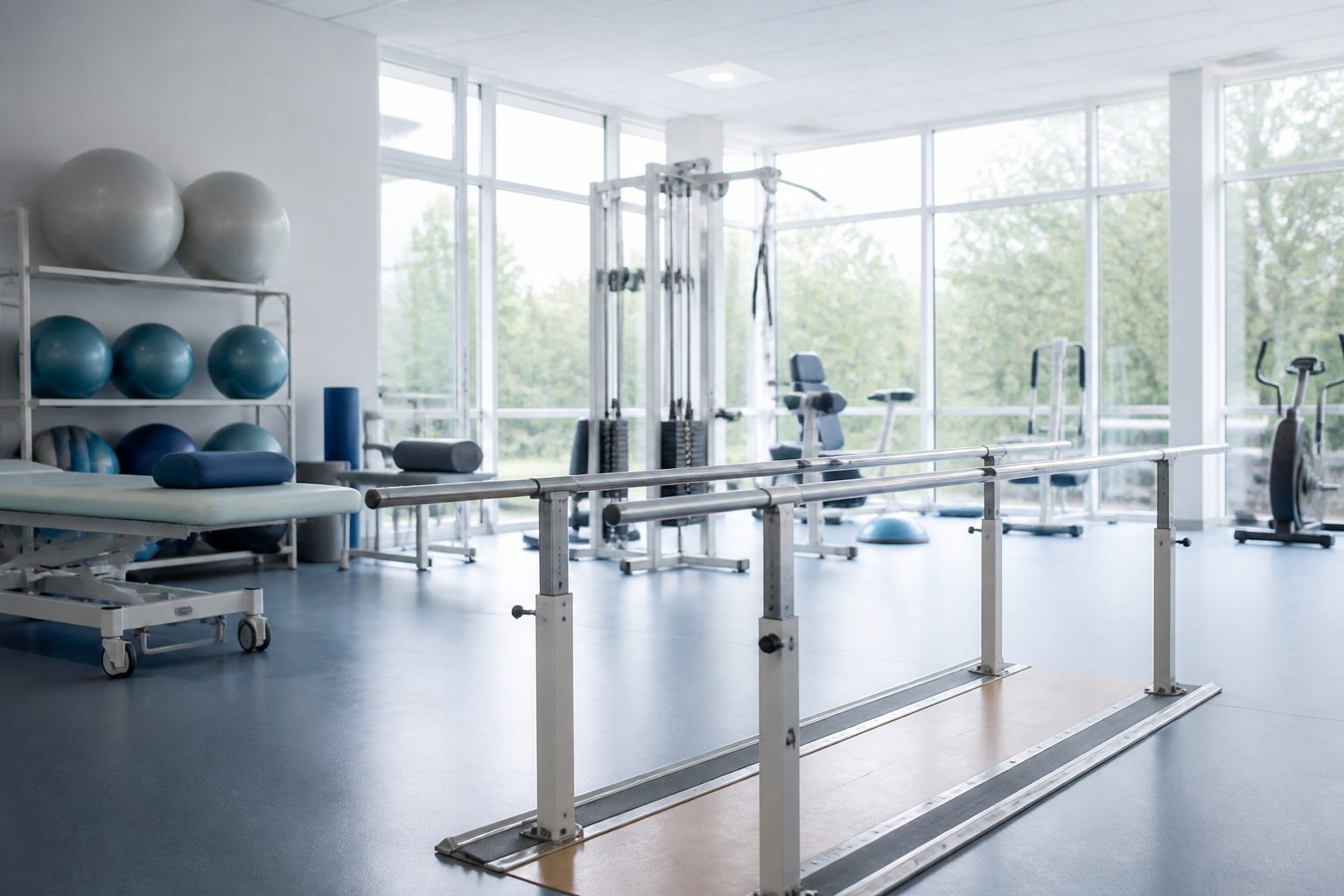
This guide is for patients and families seeking orthopedic rehabilitation in Europe, whether after surgery, injury, or age-related mobility loss. Below, you’ll find weekly price ranges and what each leading clinic offers international patients.
Expect to pay between $2,500 and $11,000 per week for comprehensive orthopedic rehabilitation at Europe’s top centers. Costs depend on country, level of care, and individual needs.
How we chose these
These ten clinics were selected for their depth in orthopedic and post-surgical rehab, patient volumes, relevant accreditation where available, visible international patient services, and transparent cost information. Each offers multidisciplinary teams and a track record with both local and overseas patients.
1. Schön Klinik Bad Aibling, Bad Aibling
Schön Klinik Bad Aibling is known for its comprehensive orthopedic rehabilitation, especially post-surgical recovery after joint replacements and complex trauma. The clinic features advanced physiotherapy, hydrotherapy, and occupational therapy, with tailored programs for adults and elderly patients. International patients can expect English-speaking coordinators and support with local logistics.
Located in southern Germany, the clinic’s tranquil setting aids recovery. The cost includes accommodation, meals, and intensive daily therapy. Outpatient follow-up is available for those staying in the region.
Indicative cost: $4,000-$8,000/week
2. Rehabilitation Center Klinik Valens, Valens
Klinik Valens in Switzerland offers advanced orthopedic and neurological rehabilitation, using robotics, aquatic therapy, and individualized physiotherapy. It is well-regarded for complex cases, including spinal injuries, and has extensive experience with international patients needing longer stays.
Services include comprehensive medical oversight and access to specialized equipment. The clinic’s mountain setting is calming, but travel logistics from major airports should be considered.
Indicative cost: $5,500-$10,000/week
3. Hospital Quirónsalud Marbella, Marbella
This Spanish hospital combines orthopedic rehab with a multidisciplinary team—physiotherapists, occupational therapists, and pain specialists—using modern facilities. It is popular with English-speaking expatriates and medical travelers.
Patients benefit from tailored rehab plans and access to diagnostic imaging. Packages typically include therapy, medical supervision, and meals, but accommodation may be separate for outpatient care.
Indicative cost: $3,500-$7,000/week
4. Royal Buckinghamshire Hospital, Aylesbury
Royal Buckinghamshire Hospital in the UK is a specialist center for orthopedic and spinal rehabilitation. It serves both NHS and private patients, with a strong focus on neurological and musculoskeletal recovery.
International patients receive assistance with visas and transfers. Programs are intensive and include physiotherapy, occupational therapy, and hydrotherapy. Accommodation is typically on-site and designed for comfort during longer stays.
Indicative cost: $4,500-$9,000/week
5. Rehaklinik Bellikon, Bellikon
Rehaklinik Bellikon is a Swiss leader in orthopedic trauma and post-surgical rehabilitation, with a reputation for handling severe injuries and complex cases. The clinic is equipped with advanced rehab technology and a large multidisciplinary staff.
International patients are supported by dedicated coordinators. The cost includes medical care, therapy, and meals; private rooms are available at additional charge.
Indicative cost: $6,000-$11,000/week
6. St. Mauritius Therapieklinik, Meerbusch
St. Mauritius Therapieklinik in Germany is known for excellence in orthopedic and neurological rehabilitation. The clinic emphasizes evidence-based approaches, with programs for joint replacements, spine surgery, and trauma recovery.
International services include language support and help with documentation. Prices cover full therapy programs, accommodation, and meals.
Indicative cost: $4,000-$8,500/week
7. Villa Beretta Rehabilitation Center, Costa Masnaga
Villa Beretta in Italy specializes in orthopedic and sports injury rehabilitation, with a focus on athletes and active adults. The center offers personalized programs, advanced physiotherapy, and modern equipment.
International patients benefit from English-speaking staff and airport transfer options. Packages typically include therapy, medical supervision, and accommodation.
Indicative cost: $3,800-$7,500/week
8. St. George Hospital Rehabilitation Center, Plzeň
St. George in the Czech Republic offers high-quality orthopedic and musculoskeletal rehabilitation at more affordable rates than many Western European clinics. The center is known for post-surgical recovery and chronic joint conditions.
International patients will find English-speaking coordinators and assistance with travel. The cost includes therapy, medical care, and meals; private accommodation is available.
Indicative cost: $2,500-$5,000/week
9. Rehabilitation Clinic Medical Park Chiemsee, Bernau am Chiemsee
This German clinic focuses on post-orthopedic surgery and trauma rehabilitation, offering intensive physiotherapy, occupational therapy, and hydrotherapy. Its lakeside location supports a peaceful recovery environment.
International patients can expect support with paperwork and translation. Costs include therapy, accommodation, and meals, with tailored programs for various mobility levels.
Indicative cost: $4,200-$8,000/week
10. UZ Brussel Rehabilitation Center, Brussels
UZ Brussel provides comprehensive orthopedic and neurological rehabilitation, with a university hospital’s depth of expertise. Programs are multidisciplinary and include advanced physiotherapy and pain management.
International patients are supported by a dedicated international office. The cost covers therapy, medical oversight, and meals; accommodation may be on-site or nearby.
Indicative cost: $3,500-$7,000/week
| Rank | Hospital | City | Known for | Indicative cost |
|---|---|---|---|---|
| 1 | Schön Klinik Bad Aibling | Bad Aibling | Comprehensive orthopedic rehabilitation and post-surgical recovery | $4,000-$8,000/week |
| 2 | Rehabilitation Center Klinik Valens | Valens | Advanced orthopedic and neurological rehabilitation programs | $5,500-$10,000/week |
| 3 | Hospital Quirónsalud Marbella | Marbella | Orthopedic rehab with multidisciplinary team and modern facilities | $3,500-$7,000/week |
| 4 | Royal Buckinghamshire Hospital | Aylesbury | Specialist orthopedic and spinal rehabilitation | $4,500-$9,000/week |
| 5 | Rehaklinik Bellikon | Bellikon | Orthopedic trauma and post-surgical rehabilitation | $6,000-$11,000/week |
| 6 | St. Mauritius Therapieklinik | Meerbusch | Orthopedic and neurological rehabilitation excellence | $4,000-$8,500/week |
| 7 | Villa Beretta Rehabilitation Center | Costa Masnaga | Orthopedic and sports injury rehabilitation | $3,800-$7,500/week |
| 8 | St. George Hospital Rehabilitation Center | Plzeň | Orthopedic and musculoskeletal rehabilitation | $2,500-$5,000/week |
| 9 | Rehabilitation Clinic Medical Park Chiemsee | Bernau am Chiemsee | Post-orthopedic surgery and trauma rehabilitation | $4,200-$8,000/week |
| 10 | UZ Brussel Rehabilitation Center | Brussels | Comprehensive orthopedic and neurological rehabilitation | $3,500-$7,000/week |
What drives the price
The cost of orthopedic rehabilitation in Europe is influenced by a complex mix of factors, and understanding these can help you budget more accurately and choose the right clinic. The country of treatment is one of the biggest determinants: clinics in Switzerland and Germany are typically at the top end of the price spectrum, reflecting higher living costs, advanced facilities, and strict regulatory standards. The UK also tends to be more expensive, while countries like Spain, Italy, Belgium, and the Czech Republic offer more moderate pricing—often with comparable quality, particularly in larger cities or established medical centers.
What’s included in the quoted price also has a major impact. Comprehensive packages generally cover accommodation (shared or private rooms), daily meals, medical oversight, and a set number of therapy sessions (physiotherapy, occupational therapy, etc.). However, extras such as private rooms, one-on-one therapy, consultations with medical specialists, and advanced imaging (such as MRI or CT scans) can quickly add to your bill. Some clinics offer bundled rates for extended stays or for adding services like airport transfers, translation, or family accommodation, which can be more cost-effective if you need multiple services.
Other key price drivers include the length of your stay (with longer programs usually costing more in total but less per week), the intensity and frequency of therapy sessions, and the need for additional support from multidisciplinary teams (such as speech therapists or psychologists). Some clinics charge separately for diagnostics, medications, or follow-up visits after discharge, so it’s essential to clarify whether your quote is truly all-inclusive. Comparing detailed quotes from several clinics, and understanding what each package covers, will help you make an informed decision and avoid unexpected expenses.
How to choose the right clinic
Selecting the best rehabilitation clinic for your orthopedic recovery involves more than just comparing prices. Begin by defining your specific rehabilitation goals—whether you need intensive post-surgical therapy, long-term management for chronic joint conditions, or specialized care after a complex trauma. Search for clinics with a strong reputation in your area of need; for instance, some centers in Germany and Switzerland are renowned for advanced prosthetic rehabilitation, while Spanish and Czech clinics often excel in joint replacement recovery or sports injuries.
Check for international accreditations such as Joint Commission International (JCI), ISO certifications, or national healthcare quality marks, as these indicate adherence to rigorous standards. However, also investigate the experience and qualifications of the clinical team—look for multidisciplinary staff including physiotherapists, occupational therapists, orthopedic surgeons, and rehabilitation physicians. Modern equipment, access to advanced diagnostics, and the ability to tailor therapy intensity and daily schedules to your needs are important quality indicators.
For international patients, practical support matters: inquire about the availability of English-speaking staff or interpreters, assistance with visas and travel logistics, and whether the clinic provides airport transfers or help with local accommodation. Ask for a clear, itemized quote that details all inclusions and potential extras, such as specialist consultations or additional therapies. Read independent patient reviews and testimonials to gauge real-world experiences, and don’t hesitate to contact former patients if possible. By thoroughly researching and comparing clinics on both medical and practical grounds, you can make a choice that supports your recovery and fits your budget.
Planning and budgeting tips
Effective planning and careful budgeting are essential for a successful orthopedic rehabilitation experience in Europe. Start by researching and booking your clinic well in advance, as the most reputable centers—especially in countries like Switzerland, Germany, or Spain—often have waiting lists of several weeks or months. When calculating your total budget, don’t just consider the clinic’s quoted price. Factor in all associated travel costs, including round-trip flights, airport transfers, local transportation (such as taxis or public transit), and any visa fees if you’re traveling from outside the EU or Schengen area.
For longer rehabilitation stays, ask clinics about potential discounts for extended programs or for combining inpatient and outpatient care. Some facilities, particularly in tourist-friendly countries like Spain or Italy, offer special accommodation packages for family members or companions, which can make a significant difference if you’re traveling with support. Consider the cost of meals outside the clinic (if not included), laundry, and other personal expenses. If you have dietary restrictions, mobility needs, or require additional support (such as elderly care or post-discharge home nursing), discuss these requirements upfront—some clinics can arrange tailored services, but these often incur extra fees and need to be booked in advance.
To ensure a smooth admission process, bring all relevant medical records, imaging results, and surgical notes. This will help the clinical team develop a personalized rehabilitation plan and avoid unnecessary repeat tests or delays. Finally, review your health insurance policy or government healthcare entitlements to see if any costs are covered, especially for EU residents who may benefit from cross-border care arrangements. By planning ahead and clarifying all potential expenses, you can avoid surprises and focus on your recovery.
What’s included and what’s not
When comparing rehabilitation clinics across Europe, it’s vital to understand exactly what your quoted price covers and what may incur additional charges. Most standard packages include the core elements necessary for effective orthopedic recovery: this typically means daily physiotherapy sessions tailored to your needs, occupational therapy to help regain independence, ongoing medical supervision by rehabilitation specialists, comfortable accommodation, and nutritious meals suited to your dietary requirements. These form the foundation of most inpatient programs, whether you’re recovering from surgery, injury, or chronic joint issues.
However, many clinics offer a menu of optional extras that can significantly impact your final bill. For example, requesting a private or deluxe room, rather than a shared one, often comes at a premium—particularly in countries like Switzerland or Germany, where standards and costs are higher. Specialist consultations, such as with orthopedic surgeons, pain management experts, or neurologists, may not be included in the base rate. Advanced diagnostic imaging (like MRI or CT scans), extra therapies such as hydrotherapy, speech therapy, or psychological counseling, and personalized fitness or nutrition plans are usually billed separately.
Logistical and personal expenses are another area to clarify. Airport transfers, translation or interpreter services (essential for international patients in non-English-speaking countries), laundry, toiletries, and other day-to-day needs are typically not part of the standard package. Outpatient or home-based follow-up sessions—if you’re planning to continue recovery after discharge—are often available but at an additional cost, which varies by country and clinic. To avoid unexpected expenses, always request a detailed, written quote that itemizes what is included and what is not. Don’t hesitate to ask for clarification, and compare offers carefully, especially if you’re considering clinics in different countries where healthcare systems and inclusions can vary widely.
How to save safely
Orthopedic rehabilitation in Europe can be costly, but there are several safe and practical ways to reduce your expenses without compromising on quality or outcomes. One of the most effective strategies is to consider clinics in countries known for high medical standards but lower living costs, such as the Czech Republic, Poland, or Spain. These countries often offer excellent care—sometimes at half or a third of the price compared to Switzerland, Germany, or the UK—thanks to lower overheads and favorable exchange rates. Always check the clinic’s credentials, accreditations, and patient reviews to ensure they meet international standards.
If your recovery plan allows, look for clinics that offer discounted rates for longer stays, as many facilities provide price breaks for extended rehabilitation periods. Traveling during off-peak seasons (outside major holidays or summer months) can also reduce accommodation and travel costs, especially in popular destinations like Spain or Italy. Outpatient or home-based rehabilitation programs, where medically appropriate, are generally much less expensive than full inpatient stays—these may be suitable if you have support at home or are in the later stages of recovery.
To maximize value, ask clinics about bundled packages that include multiple services (such as therapy, accommodation, and meals) at a fixed price. Investigate whether your health insurance, employer, or national healthcare system offers any reimbursement for cross-border rehabilitation—this is especially relevant for EU citizens, who may be eligible for partial coverage under the European Health Insurance Card (EHIC) scheme. Never compromise on essential elements like medical supervision or core therapies, and be wary of clinics that offer unusually low prices without clear credentials or transparent pricing. Always request a detailed breakdown and clarification of what is—and isn’t—included before making your decision.
Frequently asked questions
How long does orthopedic rehabilitation usually take?
The duration depends on your condition and recovery goals. Most post-surgical or trauma rehabilitation programs last from two to six weeks, but complex cases may require longer stays. Your clinical team will assess progress and adjust the plan as needed.
Are English-speaking staff available at these clinics?
Most of the listed clinics have English-speaking medical and support staff, particularly those with a strong international patient focus. If you require another language, ask about interpreter services during your initial inquiry.
What should I bring with me for admission?
Bring your passport, medical records, recent imaging (X-rays, MRI, CT scans), surgical notes, medication list, and any relevant insurance documents. Some clinics may request advance copies to prepare your treatment plan.
Is family accommodation available?
Some clinics offer family or companion accommodation on-site or nearby, especially for longer stays or elderly patients. Ask your chosen clinic about visitor policies, room options, and associated costs when you book.
Can I continue rehabilitation at home after discharge?
Yes, many clinics provide follow-up plans, home exercise programs, or referrals to local physiotherapists. Some offer tele-rehabilitation or outpatient check-ins for international patients to support ongoing recovery.
Related guides
Disclaimer: Prices are indicative and vary by individual case, length of stay, and hospital. Always request a written quote and consult a qualified doctor before making decisions about rehabilitation care.