
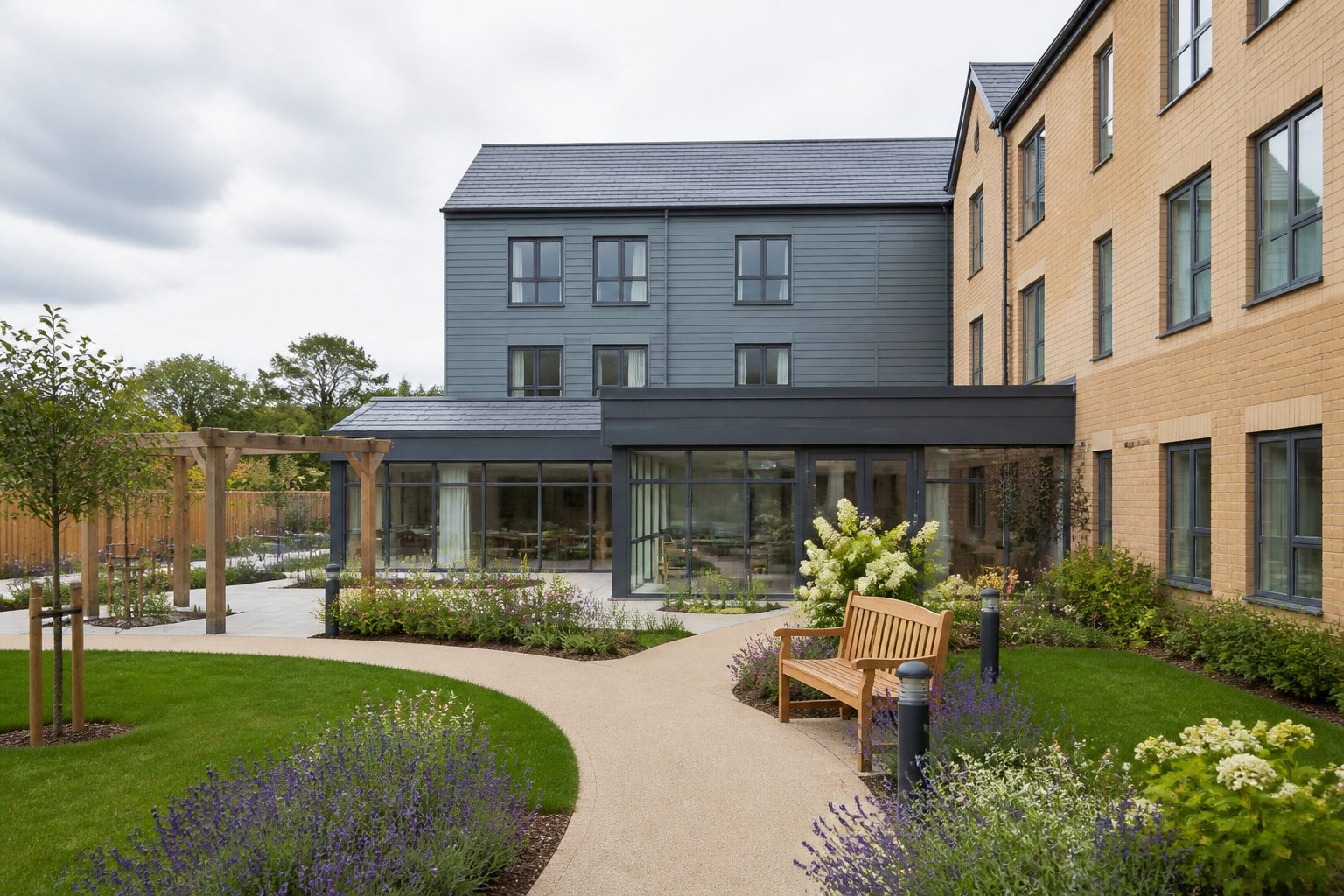
Families seeking high-quality elderly care in the UK often need to compare nursing homes on care quality, rehabilitation services, and costs. This guide profiles ten of the UK’s top-rated nursing homes, with a focus on physiotherapy, dementia support, and rehabilitation, plus their typical weekly fees.
If you are considering residential care for an elderly relative, expect weekly costs from $1,300 to $3,200 (£1,025–£2,525), depending on location, care level, and facilities. The homes listed here are recognised for their standards in clinical care and support for residents with complex needs.
How we chose these
This list features nursing homes recognised for their depth of elderly care services, including physiotherapy and rehabilitation. Selection criteria included:
- Specialist expertise in dementia, nursing, and palliative care
- Volume of residents and experience with complex cases
- Accreditation by the Care Quality Commission (CQC) and, where applicable, awards or recognitions
- Established international patient and family support services
- Transparent cost structures and clear information on what is included
1. Barchester Healthcare – Ashchurch View Care Home, Tewkesbury
Barchester’s Ashchurch View is known for its outstanding CQC rating and a strong reputation in dementia and nursing care. The home offers tailored physiotherapy and rehabilitation programs, with a dedicated team for long-term and respite residents. Families value the home’s clinical standards and its emphasis on person-centred care.
International families appreciate its transparent admissions process and support with care planning. The home is suited for those needing high-level nursing or dementia care in a comfortable, purpose-built environment.
Indicative cost: $1,500-$2,500/week
2. Sunrise of Purley, London
Sunrise of Purley provides premium elderly care, with a focus on dementia, respite, and rehabilitation services. The facility is well-equipped for post-hospital recovery and long-term support, offering on-site physiotherapy and personalised care plans. Its location in Greater London makes it accessible for international families.
The home is known for its hospitality-style environment and excellent staff-to-resident ratios. It is suitable for those seeking a higher standard of accommodation and a wide range of activities for residents.
Indicative cost: $1,800-$2,800/week
3. Four Seasons Health Care – The Cedars Care Home, Bournemouth
The Cedars Care Home is recognised for specialist nursing and palliative care, with an experienced team that manages complex medical needs. The home provides ongoing physiotherapy, post-operative rehab, and support for residents with chronic conditions.
Families report high satisfaction with the care team’s communication and flexibility. The Cedars is a good fit for those requiring advanced nursing or end-of-life care with access to rehabilitation services.
Indicative cost: $1,400-$2,300/week
4. Care UK – Mildenhall Lodge, Mildenhall
Mildenhall Lodge stands out for its modern facilities and commitment to dementia and nursing care. Residents benefit from regular physiotherapy sessions and a range of therapies aimed at maintaining mobility and independence.
The home is suitable for those needing a blend of medical care and social engagement in a contemporary setting. Families from abroad value the detailed care planning and regular updates provided by staff.
Indicative cost: $1,600-$2,400/week
5. Bupa – The Kensington Nursing Home, London
The Kensington Nursing Home by Bupa offers luxury accommodation and specialist elderly care in central London. Its clinical services cover rehabilitation, dementia, and chronic disease management, with on-site physiotherapists and tailored therapy plans.
It is ideal for families seeking premium facilities and a central location, as well as for those requiring complex nursing care. The home’s international team can support overseas admissions and cultural preferences.
Indicative cost: $2,000-$3,000/week
6. Signature at Reigate Grange, Reigate
Signature at Reigate Grange is known for premium elderly care, particularly its dementia expertise and high standard of rehabilitation services. The facility features spacious rooms, landscaped gardens, and advanced mobility support.
Residents can access a full suite of therapies, including physiotherapy and occupational therapy. This home is well-suited for those needing intensive support or transitioning from hospital to long-term care.
Indicative cost: $2,100-$3,200/week
7. Anchor – West Hall, West Byfleet
Anchor’s West Hall is an award-winning, purpose-built care home with a focus on elderly rehabilitation and dementia care. The site offers physiotherapy, occupational therapy, and a range of activities to encourage social and physical wellbeing.
The home’s design and staff approach promote independence and dignity. It is a good option for those who value modern amenities and structured rehabilitation programs.
Indicative cost: $1,700-$2,600/week
8. Hallmark Care Homes – Bucklesham Grange, Ipswich
Bucklesham Grange is rated outstanding by the CQC for its dementia and nursing care. The home provides specialist rehabilitation services and a strong focus on maintaining residents’ mobility and quality of life.
Staff are trained in the latest dementia care techniques and offer personalised physiotherapy sessions. Families report excellent communication and support during the transition process.
Indicative cost: $1,500-$2,500/week
9. HC-One – The Beeches Care Home, Dunfermline
The Beeches Care Home is known for specialist nursing and dementia care, with a focus on rehabilitation and recovery. The facility offers regular physiotherapy and occupational therapy, supporting both short-term and permanent residents.
International families appreciate the home’s straightforward admissions and transparent cost structure. It suits those needing a balance of medical care and supportive therapies.
Indicative cost: $1,300-$2,200/week
10. Colten Care – Avon Reach, Mudeford
Colten Care’s Avon Reach is highly rated for nursing and dementia care, with a dedicated physiotherapy team and a holistic approach to elderly wellbeing. Facilities are modern, and the home is situated in a tranquil coastal location.
The home is suitable for those seeking a peaceful environment with strong clinical support. Family involvement is encouraged, and care plans are reviewed regularly with relatives.
Indicative cost: $1,600-$2,500/week
| Rank | Hospital | City | Known for | Indicative cost |
|---|---|---|---|---|
| 1 | Barchester Healthcare – Ashchurch View Care Home | Tewkesbury | Outstanding CQC rating, dementia and nursing care | $1,500-$2,500/week |
| 2 | Sunrise of Purley | London | Premium elderly care, respite and dementia services | $1,800-$2,800/week |
| 3 | Four Seasons Health Care – The Cedars Care Home | Bournemouth | Specialist nursing and palliative care | $1,400-$2,300/week |
| 4 | Care UK – Mildenhall Lodge | Mildenhall | Modern facilities, dementia and nursing care | $1,600-$2,400/week |
| 5 | Bupa – The Kensington Nursing Home | London | Luxury nursing home, specialist elderly care | $2,000-$3,000/week |
| 6 | Signature at Reigate Grange | Reigate | Premium elderly care, dementia expertise | $2,100-$3,200/week |
| 7 | Anchor – West Hall | West Byfleet | Award-winning, purpose-built elderly care | $1,700-$2,600/week |
| 8 | Hallmark Care Homes – Bucklesham Grange | Ipswich | Outstanding CQC, dementia and nursing care | $1,500-$2,500/week |
| 9 | HC-One – The Beeches Care Home | Dunfermline | Specialist nursing and dementia care | $1,300-$2,200/week |
| 10 | Colten Care – Avon Reach | Mudeford | Highly rated nursing and dementia care | $1,600-$2,500/week |
What drives the price of elderly care in the UK?
The cost of nursing home care in the UK is influenced by a complex mix of factors, and understanding these can help families budget realistically and avoid unexpected expenses. One of the most significant cost drivers is location. Nursing homes in London, the South East, and other affluent areas typically charge higher weekly fees—sometimes hundreds of pounds more per week—than those in the North of England, Wales, or rural Scotland. Urban homes may also have higher overheads due to property prices and staff wages, which are reflected in the fees charged to residents.
The level and type of care required are equally important. Residents needing specialist support, such as dementia care, palliative care, or rehabilitation after surgery or illness, will usually face higher costs. These services require staff with advanced training, more intensive supervision, and sometimes specialist equipment or therapies. Homes that offer round-the-clock registered nursing, rather than just residential care, also command higher prices due to the greater staffing requirements and regulatory standards involved.
Facilities and amenities play a big role in pricing, too. Premium nursing homes boasting private rooms with en-suite bathrooms, landscaped gardens, on-site gyms, or spa facilities will charge more than homes offering more basic accommodation. The quality and variety of meals, recreational activities, and communal spaces can also affect the fee structure.
Additional elements that impact the total cost include the qualifications and experience of the care staff, in-house access to physiotherapy or occupational therapy, and the availability of 24/7 nursing support. Many homes offer optional extras, such as hairdressing, chiropody, beauty treatments, or organised outings, which are typically charged separately from the base fee. Some homes also charge for laundry, personal toiletries, or special dietary requests.
To avoid surprises, always ask for a clear and detailed contract that lists exactly what is included in the quoted fees. This should cover accommodation, meals, personal care, medical support, and standard therapies. Clarify which services are considered extras and their costs. Understanding these factors will help families make informed choices and plan financially for the long-term care of their loved ones.
How to choose the right nursing home
Choosing the right nursing home for your loved one is a significant decision that involves careful consideration of many practical and personal factors. Begin by thoroughly assessing your loved one’s current and anticipated care needs. This includes understanding whether they require general nursing, specialist dementia care, rehabilitation services after a hospital stay, or support for complex medical conditions. If your loved one has unique requirements—such as mobility support, palliative care, or behavioural needs—ensure these are clearly identified before you start your search.
Once you have a clear picture of the required care, create a shortlist of potential nursing homes. Visit each home in person if possible, or arrange a virtual tour if distance or mobility is an issue. During your visit, ask detailed questions about staff qualifications and training, staff-to-resident ratios, and how long staff members typically stay at the home. Check the latest Care Quality Commission (CQC) ratings to ensure the home meets regulatory standards for safety, care, and responsiveness. Request to see sample care plans tailored for residents with similar needs and ask for testimonials or references from current families to get a sense of satisfaction and transparency.
Location is another crucial consideration. Choose a home that is convenient for regular family visits, as frequent contact can greatly benefit residents’ wellbeing. Also, consider whether the home can accommodate cultural, religious, or language needs. Some nursing homes in the UK offer multilingual staff, cater to specific religious practices, or provide culturally appropriate meals. Ask about social and recreational activities that align with your loved one’s interests and beliefs.
Before making a final decision, clarify the admissions process, including assessment procedures and waiting times. Discuss payment terms in detail—find out what is included in the weekly fee and what may incur additional charges, such as hairdressing, outings, or specialist therapies. It’s also important to ask what happens if your loved one’s care needs change: Can the home provide a higher level of care if required, or would a move be necessary? Understanding these practicalities will help you make a confident, informed choice that supports your loved one’s health, happiness, and dignity.
Planning tips for international and UK families
Both international and UK families face unique challenges when planning elderly care, but proactive steps can make the process smoother and more manageable. For international families, it’s essential to start planning well in advance, as securing a place in a highly rated UK nursing home can take several weeks or even months, especially in popular regions like London or the South East. Begin by gathering all relevant medical records, care assessments, and prescriptions. If these documents are in a language other than English, arrange for certified translations to ensure the nursing home staff can fully understand your loved one’s medical history and needs.
Reach out to the admissions team at your chosen nursing home to ask about their experience with international residents. Many top UK nursing homes offer support with the logistics of international admissions, such as providing invitation letters for visa applications, assisting with travel arrangements, and helping residents settle in upon arrival. Ask about language support, cultural or religious accommodations, and whether they have experience with residents from your country or background. It’s also wise to check if the home is familiar with international payment methods and can provide contracts and invoices suitable for overseas families.
For UK families, understanding the financial side of care is crucial. Local authority funding may be available if your loved one’s assets and income fall below certain thresholds; contact your local council for a care needs assessment and a financial assessment. If self-funding, carefully budget for both the weekly care fees and any additional costs, such as personal care items, therapies, or social activities. Always request a detailed, written breakdown of all costs before signing any contract, and ask about annual fee increases or notice periods for fee changes.
Regardless of your location, consider seeking independent legal or financial advice before making a commitment. This can help you understand your rights, the terms of the contract, and any implications for future funding or changes in care needs. Taking these practical steps will help ensure a smooth transition and peace of mind for both residents and their families.
Frequently asked questions
What is included in UK nursing home fees?
Most nursing home fees cover accommodation, meals, basic personal care, and access to nursing staff. Some homes include physiotherapy, activities, and laundry, but extras like hairdressing, specialist therapies, or personal items may cost more. Request a full breakdown before signing a contract.
Are short-term or respite stays possible?
Yes, many nursing homes offer short-term or respite stays, often for post-hospital recovery or when family carers need a break. Availability can be limited, so early booking is recommended. Costs are typically calculated on a weekly basis and may be slightly higher than long-term rates.
How do I check a UK nursing home’s quality?
The Care Quality Commission (CQC) regularly inspects and rates all registered nursing homes in England. Check the latest CQC report for any home you are considering, and ask about recent inspections, staff training, and resident feedback.
Is on-site physiotherapy standard in these homes?
Most of the top homes listed offer on-site physiotherapy and rehabilitation services, but the frequency and scope may vary. Always confirm what is available, whether it is included in the weekly fee, and if additional sessions can be arranged if needed.
Can international families arrange care remotely?
Yes, many UK nursing homes have experience with international families and can facilitate virtual tours, remote assessments, and online care planning. It is important to discuss payment methods, required documentation, and any visa or travel support during initial enquiries.
Related guides
Disclaimer: Prices are indicative and may vary by individual case, care needs, and the specific nursing home. Always request a written quotation and consult a qualified healthcare professional before making decisions about elderly care.