
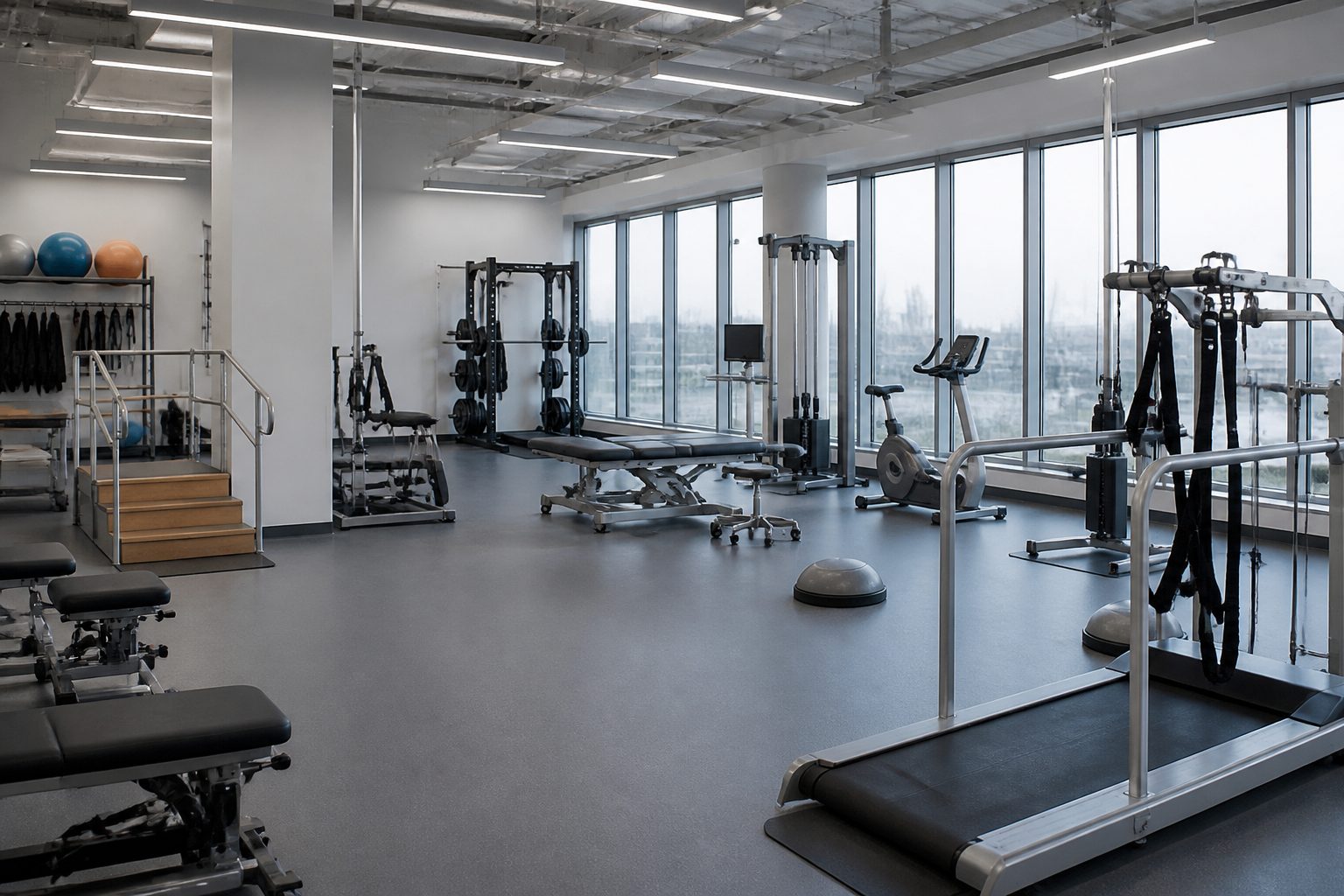
This guide is for patients and families seeking the best options for stroke rehabilitation worldwide. We compare 10 leading hospitals, their specialties, and what you can expect to pay for inpatient stroke recovery care.
Daily costs for inpatient stroke rehabilitation range from $600 (approx. €560) to $2,500 (₹2.1 lakh) depending on location, intensity of care, and hospital reputation. Here’s what you need to know about the world’s top rehab centers before making your decision.
How we chose these
These hospitals were selected for their depth of expertise in neurorehabilitation, high volume of stroke recovery cases, international accreditations where available, dedicated services for overseas patients, and transparent cost information. Each center is known for a particular strength—whether it’s advanced technology, research, or comprehensive care—making them suitable for a range of patient needs and budgets.
1. Shirley Ryan AbilityLab, Chicago
Shirley Ryan AbilityLab is internationally recognized for its pioneering research and clinical programs in neurorehabilitation, especially for stroke. The facility integrates research with daily care, offering tailored therapies and access to state-of-the-art technology. Patients benefit from a multidisciplinary approach, including physical, occupational, and speech therapy, with a focus on maximizing independence. International patients can access dedicated coordinators and translation services.
Indicative cost: $1,500-$2,500/day (inpatient rehab)
2. Spaulding Rehabilitation Hospital, Boston
Spaulding Rehabilitation Hospital offers comprehensive stroke recovery programs, including advanced adaptive technology and robotics. It is part of the Harvard Medical School network, ensuring access to the latest evidence-based practices. Patients receive individualized care plans and family education. Spaulding is experienced in treating international patients and can assist with logistics, medical records, and interpreter services.
Indicative cost: $1,200-$2,000/day (inpatient rehab)
3. Kessler Institute for Rehabilitation, West Orange
Kessler Institute is a leader in intensive, interdisciplinary stroke rehabilitation, with programs designed for both complex and routine cases. Patients benefit from coordinated care involving physiatrists, therapists, and nurses focused on regaining function and independence. Kessler’s international patient team helps with transfer arrangements, medical documentation, and aftercare planning.
Indicative cost: $1,200-$2,000/day (inpatient rehab)
4. National Rehabilitation Center, Abu Dhabi
The National Rehabilitation Center in Abu Dhabi is known for its specialized neurorehabilitation services for stroke and brain injury. The facility offers a multidisciplinary approach and integrates advanced therapies, including robotics and virtual reality. It serves both local and international patients, with support for travel and accommodation arrangements. The center is recognized for modern facilities and a holistic approach to recovery.
Indicative cost: Please inquire directly for current rates.
5. Schön Klinik Bad Aibling, Bad Aibling
Schön Klinik Bad Aibling is a leading neurological rehabilitation center in Germany, with a strong focus on stroke recovery. The hospital offers evidence-based therapies in a modern setting, including physiotherapy, occupational therapy, and speech therapy. International patients are supported by multilingual staff and assistance with visa and travel logistics. The facility is known for its structured rehabilitation pathways and transparent pricing.
Indicative cost: $600-$1,200/day (inpatient rehab)
6. Sunnaas Rehabilitation Hospital, Nesodden (Oslo area)
Sunnaas Rehabilitation Hospital is Norway’s largest specialist hospital for physical medicine and rehabilitation, including stroke recovery. Its programs emphasize interdisciplinary collaboration and patient-centered care. Sunnaas is involved in research and innovation, including the use of assistive technology. International patients can access interpretation services and tailored rehabilitation plans, although pre-approval is often needed for non-residents.
Indicative cost: Please contact the hospital for pricing details.
7. National Rehabilitation Hospital, Dublin
The National Rehabilitation Hospital in Dublin provides specialist stroke and brain injury rehabilitation for adults and children. It is recognized for its comprehensive team-based approach and integration of community reintegration services. The hospital supports international patients, though waiting times and referral requirements may apply. The facility is known for its focus on functional recovery and patient education.
Indicative cost: Please inquire for latest cost information.
8. Tokyo Metropolitan Rehabilitation Hospital, Tokyo
This hospital is at the forefront of neurorehabilitation in Japan, with a focus on advanced robotics and technology for stroke recovery. The facility offers intensive inpatient and outpatient programs, including gait training and upper limb robotics. International patients should expect a structured admissions process and may require translation assistance. The hospital is known for high standards of care and research activity.
Indicative cost: Please request a quote from the hospital.
9. Royal Rehabilitation Centre Sydney, Sydney
Royal Rehabilitation Centre Sydney provides comprehensive stroke and neurological rehabilitation, including specialized programs for older adults. The facility offers inpatient, outpatient, and community-based services, with a multidisciplinary team approach. International patients are supported with information on accommodation, translation, and local transport. The center is well-regarded for patient outcomes and reintegration support.
Indicative cost: Contact the center for current pricing.
10. Queen Mary Hospital, Hong Kong
Queen Mary Hospital is a major teaching hospital offering comprehensive stroke rehabilitation and neurorehabilitation services. Its programs include acute and post-acute care, supported by a team of physiatrists, therapists, and nurses. International patients can access interpreter services and dedicated coordinators. The hospital is known for high standards of care and integration with research and teaching.
Indicative cost: Please inquire directly for pricing.
| Rank | Hospital | City | Known for | Indicative cost |
|---|---|---|---|---|
| 1 | Shirley Ryan AbilityLab | Chicago | Pioneering neurorehabilitation and stroke recovery research | $1,500-$2,500/day |
| 2 | Spaulding Rehabilitation Hospital | Boston | Comprehensive stroke rehabilitation and adaptive technology | $1,200-$2,000/day |
| 3 | Kessler Institute for Rehabilitation | West Orange | Intensive interdisciplinary stroke recovery programs | $1,200-$2,000/day |
| 4 | National Rehabilitation Center | Abu Dhabi | Specialized neurorehabilitation for stroke and brain injury | Inquire |
| 5 | Schön Klinik Bad Aibling | Bad Aibling | Leading neurological and stroke rehabilitation center | $600-$1,200/day |
| 6 | Sunnaas Rehabilitation Hospital | Nesodden (Oslo area) | Comprehensive neurological and stroke rehabilitation | Inquire |
| 7 | National Rehabilitation Hospital | Dublin | Specialist stroke and brain injury rehabilitation | Inquire |
| 8 | Tokyo Metropolitan Rehabilitation Hospital | Tokyo | Advanced robotics and neurorehabilitation for stroke | Inquire |
| 9 | Royal Rehabilitation Centre Sydney | Sydney | Comprehensive stroke and neurological rehabilitation | Inquire |
| 10 | Queen Mary Hospital | Hong Kong | Comprehensive stroke rehabilitation and neurorehabilitation services | Inquire |
What drives the price of stroke rehabilitation?
The cost of stroke rehabilitation is influenced by several factors: the country and city (with the US typically being most expensive), the hospital’s reputation, the level of medical complexity, and the intensity of therapy. Inpatient programs are priced per day and usually include accommodation, meals, physician and therapy services, and nursing care. Additional fees may apply for advanced technologies (robotics, virtual reality), special medications, and extra diagnostic tests. Private or semi-private rooms, language support, and family accommodation are also potential cost drivers.
How to choose the right stroke rehab hospital
Finding the most suitable stroke rehabilitation hospital requires thorough research and careful consideration of several factors. Start by evaluating the hospital’s experience with stroke cases and the qualifications of its rehabilitation team—look for facilities that employ board-certified physiatrists, experienced physical and occupational therapists, and speech-language pathologists. Access to advanced technologies, such as robotic-assisted therapy, virtual reality rehabilitation, and intensive neuro-rehabilitation programs, can significantly enhance recovery outcomes.
Check for international accreditations like Joint Commission International (JCI) or the Commission on Accreditation of Rehabilitation Facilities (CARF), as these indicate adherence to high standards of care and safety. Ask the hospital for outcome data, such as patient improvement rates and average lengths of stay, to gauge the effectiveness of their programs. International patient support services are also important—these can include language assistance, help with travel arrangements, and dedicated case managers.
Family involvement, cultural sensitivity, and post-discharge support are essential for long-term success. Make sure the hospital offers orientation and training for caregivers, as well as clear guidance on follow-up therapy and communication with your local healthcare providers. Always request a detailed, itemized quote and review it carefully to understand what is included and what might incur additional charges. Take the time to read patient reviews, seek recommendations, and, if possible, consult with your local physician or rehabilitation specialist before making a final decision.
What is and isn’t included in the price
Understanding exactly what your quoted price covers is essential when comparing stroke rehabilitation hospitals worldwide. Typically, daily inpatient rehabilitation fees include accommodation in a shared or private room, three daily meals tailored to dietary needs, routine medical supervision, and a predetermined number of therapy sessions (such as physical, occupational, and speech therapy) each day. In some countries—like Germany or Singapore—basic diagnostic tests, standard medications, and general nursing care may be included in the base rate, while in others, these can be billed separately.
However, advanced imaging (like MRI or CT scans), specialized therapies (such as robotic-assisted rehabilitation, hydrotherapy, or cognitive behavioral therapy), and consultations with certain specialists are often charged as extras. Family accommodation, language interpretation, and airport transfers are rarely included in the standard package and can add significantly to the overall cost, especially in destinations popular with international patients such as the United States or Switzerland.
Outpatient services—including follow-up physiotherapy, additional medical appointments, and home care support—are usually not part of the inpatient package and must be budgeted for separately. Always request a comprehensive, itemized quote from the hospital, and ask for clarification on any ambiguous terms. Confirm whether taxes, administrative fees, and insurance handling charges are included. Understanding these details up front will help you avoid unexpected expenses and ensure you receive the level of care you expect.
How to save money safely on stroke rehabilitation
Comparing hospitals in different countries can yield significant savings, especially if you are open to traveling. Germany and parts of Asia often offer high-quality rehab at lower prices than the US or UK. Consider shorter inpatient stays with a transition to outpatient or home-based rehabilitation, if medically appropriate. Some hospitals offer bundled packages or discounts for longer stays. Always balance cost with safety and the need for specialized care. Never compromise on medical standards for price alone.
Planning your stroke rehabilitation abroad
Organizing stroke rehabilitation in another country requires careful preparation and coordination to ensure a smooth and effective recovery process. Begin by collecting all pertinent medical documents, including recent imaging, physician summaries, and lists of current medications. This information is vital for the receiving hospital to evaluate your case and recommend appropriate therapies. Reach out to the hospital’s international patient office—they are equipped to guide you through admission requirements, assist with medical visa applications, and arrange for translation and interpretation services if needed.
Practical considerations include asking about waiting times for admission, the average length of inpatient stay, and whether there is a structured discharge plan that includes recommendations for ongoing therapy. It’s also important to plan logistics for travel, taking into account the patient’s mobility and any special transportation needs. Many top hospitals offer support for arranging accommodation for family members, either on-site or nearby, but these options can vary in cost and availability.
Don’t forget to inquire about costs for both the patient and accompanying family, and what services are included in the quoted price. Aftercare is another crucial aspect—coordinate with your local physician to ensure there’s a plan for follow-up therapy and monitoring once you return home. Establish clear lines of communication between your home country’s healthcare providers and the international hospital to maintain continuity of care, and consider arranging for telemedicine consultations if ongoing support is needed after discharge.
Practical tips for families and caregivers
Families and caregivers play a vital role in the stroke rehabilitation process, often serving as advocates, motivators, and sources of emotional support. To maximize your loved one’s recovery, involve family members from the earliest stages—many leading hospitals encourage this and offer orientation sessions, training workshops, and hands-on instruction in daily care tasks. Ask about available accommodation options for families, which can range from on-site guest rooms to partner hotels nearby; availability and cost can vary depending on the country and facility.
Familiarize yourself with the hospital’s policies on visiting hours, as well as any restrictions that may be in place for infection control or patient privacy. Inquire about caregiver training programs that teach essential skills, such as safe patient transfers, medication management, and recognizing signs of medical complications. Consider cultural and dietary preferences—many international hospitals provide menus that accommodate religious or cultural needs, but it’s best to confirm in advance.
Maintain an organized record of all medical reports, therapy schedules, and progress updates, as this information is invaluable for coordinating ongoing care and communicating with healthcare providers at home. If language is a barrier, arrange for translation or interpretation services—some hospitals include these, while others charge extra. Finally, ensure you understand the discharge plan and what follow-up care will be needed, including how to access local therapy services or telemedicine support once you return home.
The bottom line
Choosing the right stroke rehabilitation hospital is a critical decision that can significantly impact the patient’s recovery trajectory and overall quality of life. When evaluating your options, it’s essential to balance several key factors: the quality of care provided, the total cost of treatment, and the hospital’s geographic location relative to your home or support network. Leading rehabilitation centers in countries such as the United States, Germany, Singapore, and India offer cutting-edge therapies and highly coordinated multidisciplinary care teams, but the associated costs can vary dramatically based on the country, the facility’s reputation, and the specific services included.
Cost factors to consider include daily inpatient rates, length of stay, the intensity and type of therapy (such as physical, occupational, and speech therapy), and the availability of advanced technologies like robotics or virtual reality rehabilitation. Some countries, like Thailand or Turkey, may offer lower costs for comparable care, but you must also account for travel and accommodation expenses. Always obtain a detailed written quote that outlines what is covered—such as meals, medications, nursing care, and therapy sessions—and what is considered extra, like special diagnostics, family accommodation, or airport transfers.
Finally, work closely with your medical team to ensure any hospital you consider can provide a safe and effective recovery plan tailored to your needs. Don’t hesitate to ask questions, seek second opinions, and involve your family in the planning process. A well-informed decision will help secure the best possible outcome for stroke rehabilitation, both medically and financially.
Frequently asked questions
How long does inpatient stroke rehabilitation usually last?
The typical stay ranges from 2 to 6 weeks, depending on the severity of the stroke and the patient’s progress. Some patients may require longer or shorter stays. Hospitals will assess progress regularly and adjust the plan as needed.
Is outpatient or home-based rehab possible after inpatient treatment?
Yes, many hospitals offer outpatient and home-based rehabilitation programs after discharge. This allows patients to continue therapy while gradually reintegrating into daily life. Ask the hospital about transition and follow-up options.
What documents are needed for international admission?
Most hospitals require recent medical records, imaging results, a summary of current treatments, and sometimes a referral from your doctor. Some may also request proof of insurance or financial guarantee before confirming admission.
Are language translation services available?
Most major rehabilitation hospitals offer interpreter services for international patients. Confirm availability and any associated costs before admission, especially if you or your family do not speak the local language fluently.
Can family members stay with the patient?
Some hospitals provide family accommodation on-site or nearby, while others offer assistance in finding local hotels or apartments. The availability, cost, and rules vary by hospital, so inquire in advance when planning your stay.
Related guides
Disclaimer: Prices are indicative and can vary by individual case, hospital, and treatment duration. Always obtain a written quote and consult a qualified medical professional before making decisions about rehabilitation care.