
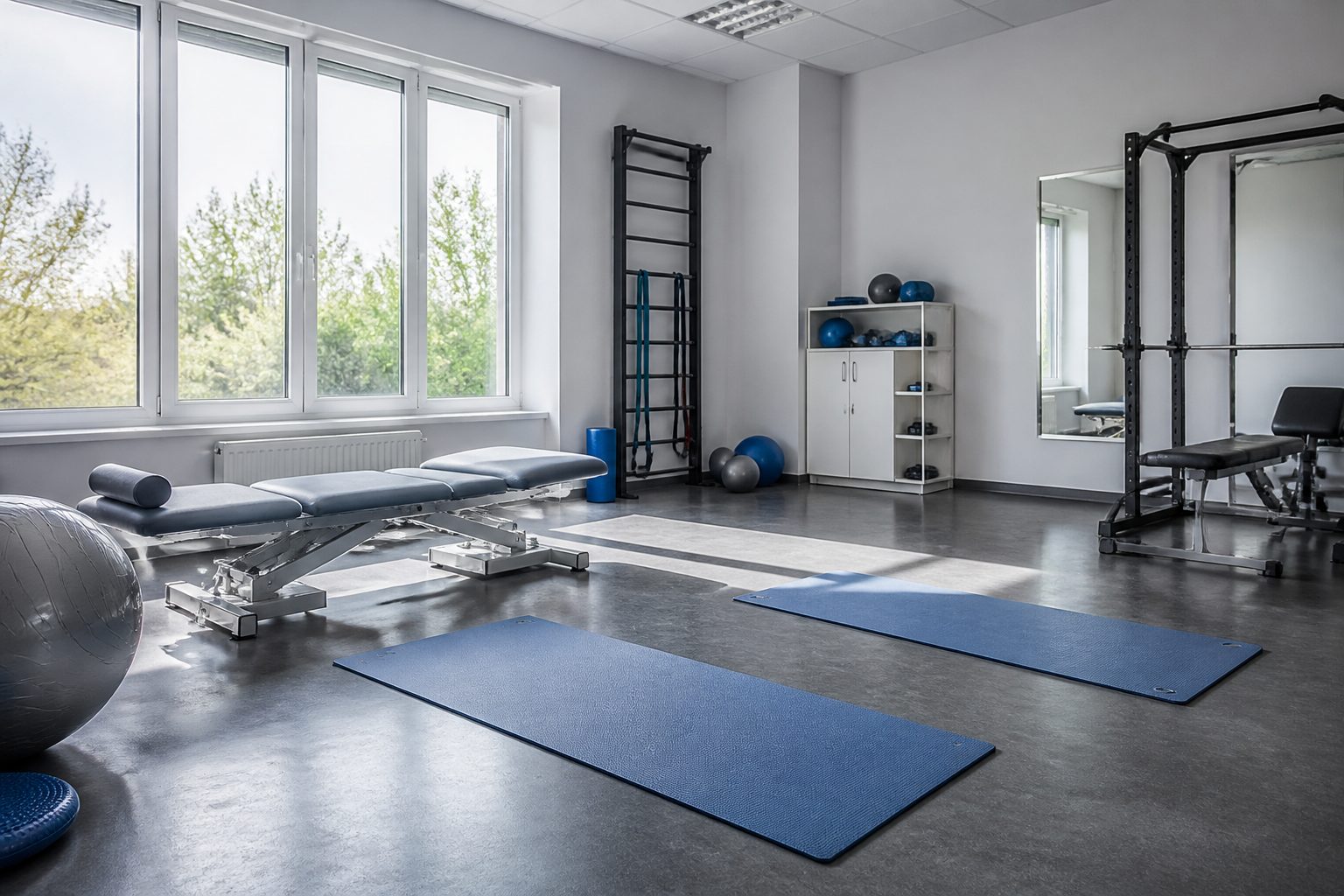
Outpatient rehabilitation services in Egypt offer a wide range of care for people recovering from injury, surgery, or managing chronic conditions. These services include physiotherapy clinics, rehabilitation hospitals, elderly care, home nursing, and palliative care, with costs that are generally lower than in the US or Europe.
This guide explains what you can expect from outpatient rehab in Egypt, including the types of care, typical costs per session or month, and how Egypt compares with other countries for these treatments.
Types of outpatient rehabilitation services in Egypt
Egypt’s outpatient rehabilitation sector is diverse. Most rehabilitation services are provided either in dedicated clinics and hospitals, or through home healthcare agencies. The main types include:
- Physiotherapy clinics: For musculoskeletal injuries, post-surgery recovery, neurological rehabilitation, and pain management.
- Rehabilitation hospitals: Specialist centres for stroke, spinal cord injuries, or complex orthopaedic cases, offering both outpatient and short-stay programs.
- Elderly care: Includes assisted living facilities, nursing homes, and day care centres for seniors needing ongoing support with mobility, daily activities, or chronic diseases.
- Home nursing: Registered nurses or physiotherapists provide care at home, useful for elderly patients or those with limited mobility.
- Palliative care: Symptom management and support for people with life-limiting illnesses, available in hospitals, hospices, or at home.
Most outpatient rehab in Egypt is delivered in Arabic, but many urban centres and major private hospitals offer English-speaking staff for international patients.
What to expect from physiotherapy and rehab care
Outpatient physiotherapy in Egypt is offered by licensed physiotherapists, often with postgraduate training. Sessions typically last 30–60 minutes and may involve manual therapy, exercise prescription, electrotherapy, and education. For complex rehabilitation (such as after a stroke), sessions may be longer and multidisciplinary, involving occupational therapists and speech therapists.
Rehabilitation hospitals may provide assessment and a tailored program, with regular reviews. Some clinics offer home visits for an extra fee. Most facilities use modern equipment, but standards can vary; leading private clinics in Cairo and Alexandria are comparable to those in Europe or Turkey.
For elderly care, outpatient day programs focus on mobility, fall prevention, cognitive stimulation, and social activities. Nursing homes and assisted living facilities offer 24/7 care, but also allow outpatient therapy or day stays.
Typical costs: Egypt compared to other countries
The cost of outpatient rehabilitation in Egypt is generally lower than in Western countries, with per-session fees reflecting the type of therapist, the clinic’s reputation, and location. Home nursing and palliative care costs are also relatively affordable, especially compared to the US or UK. Below is a comparison of typical costs for key services in Egypt and selected countries.
| Country | Physiotherapy session | Monthly elderly care (nursing home) | Home nursing (per visit) | Home palliative care (per visit) |
|---|---|---|---|---|
| Egypt | $8–$25 (EGP 400–1,200) | $500–$1,200 (EGP 24,000–58,000) | $12–$35 (EGP 600–1,700) | $20–$40 (EGP 1,000–2,000) |
| India | $10–$30 (₹830–2,500) | $350–$900 (₹29,000–75,000) | $8–$20 (₹660–1,650) | $15–$40 (₹1,250–3,300) |
| Turkey | $15–$45 (₺480–1,440) | $700–$1,600 (₺22,400–51,000) | $20–$50 (₺640–1,600) | $25–$60 (₺800–1,920) |
| Thailand | $15–$50 (฿540–1,800) | $800–$2,000 (฿29,000–72,000) | $18–$45 (฿650–1,600) | $30–$70 (฿1,100–2,500) |
| Philippines | $12–$35 (₱700–2,000) | $400–$1,100 (₱23,000–63,000) | $10–$30 (₱580–1,700) | $18–$45 (₱1,000–2,500) |
| USA | $60–$180 | $6,000–$12,000 | $80–$200 | $100–$250 |
| UK | $45–$110 (£35–£85) | $4,500–$7,500 (£3,500–£5,800) | $60–$150 (£47–£120) | $90–$200 (£70–£155) |
| Germany | $55–$120 (€50–€110) | $4,200–$8,800 (€3,800–€8,000) | $65–$170 (€60–€160) | $95–$220 (€85–€200) |
Prices above are indicative and may vary by city, provider, or patient needs. In Egypt, Cairo and Alexandria tend to have slightly higher costs than other cities, but also more internationally accredited facilities.
What is included in the price?
When budgeting for outpatient rehabilitation services in Egypt, it is important to understand exactly what your payment covers, as inclusions can differ significantly between providers and types of care. For standard physiotherapy sessions, the quoted rate typically encompasses a thorough initial assessment by a licensed physiotherapist, the design of a personalized treatment plan, and the use of basic therapeutic modalities. These might include manual therapy, guided exercise routines, and commonly used equipment such as electrotherapy units. However, more advanced treatments—such as hydrotherapy, shockwave therapy, dry needling, or specialized neurological rehabilitation—are often billed separately and can significantly increase the overall cost per session.
Some rehabilitation hospitals and larger clinics in Egypt offer bundled packages, where the initial assessment and a predetermined number of sessions are grouped together for a set fee. These packages may provide cost savings and greater predictability for patients who require ongoing therapy, but it is vital to check which services are included. Extra charges may arise for additional sessions beyond the package, or for services such as home visits, which involve travel time and transport costs for the therapist.
For elderly care and nursing home stays, the monthly fee usually covers shared accommodation, three daily meals, basic nursing care (such as medication administration and vital sign monitoring), and participation in group activities or social programs. However, private rooms, individualized meal plans (for example, diabetic or renal diets), and one-on-one therapy sessions typically incur extra charges. Home nursing and palliative care services generally include travel to the patient’s home and standard nursing tasks (wound care, injections, personal hygiene assistance), but do not cover the cost of medications, consumables, or the rental of medical equipment like hospital beds, oxygen concentrators, or mobility aids. These items must be arranged separately and can add a substantial amount to your total expenditure.
Given the variability of what is included, always ask for a detailed written breakdown of services and fees from your provider before committing to a course of rehabilitation or care. This will help you avoid unexpected expenses and ensure that all your needs are adequately addressed.
Hidden costs to watch for
Although outpatient rehabilitation services in Egypt are generally more affordable than in many Western countries, patients should be aware of several potential hidden costs that can arise during the course of treatment. The first is the initial assessment fee: while some clinics include this in the first session’s price, others charge a separate, sometimes substantial, fee for a doctor’s or senior therapist’s evaluation. This is especially common if your case is complex or requires a multidisciplinary approach.
- Medical tests and imaging: Pre-rehabilitation investigations such as X-rays, MRIs, or blood tests are not usually included in standard session fees. These diagnostic procedures can be required before certain therapies can begin, and their cost varies widely depending on the facility and type of test.
- Transport surcharges: For patients opting for home visits, clinics may apply additional travel fees if you live outside their standard service area, particularly in sprawling cities like Cairo or in remote locations. These surcharges are often calculated based on distance or travel time.
- Specialist therapies: Advanced rehabilitation techniques—including robotic-assisted therapy, aquatic (hydro-) therapy, or virtual reality-based rehabilitation—are typically priced as premium services and are not covered by basic session rates or packages.
- Equipment rental: Essential rehabilitation aids such as wheelchairs, walkers, hospital beds, or portable oxygen units are usually not included in the cost of home nursing or outpatient therapy. These items are rented separately, often on a monthly basis, and can significantly increase your total expenditure, especially for long-term needs.
- Medications and consumables: Standard home nursing or palliative care rates do not cover the cost of prescription medications, wound dressings, or other consumable medical supplies. These must be purchased separately, either through the clinic or at local pharmacies.
To avoid unexpected expenses, always request a comprehensive, itemized quotation from your provider that lists all anticipated costs, including optional and mandatory services. Clarify whether follow-up visits, reassessments, or emergency care are included in your initial agreement. This proactive approach will help you plan your budget more accurately and prevent financial surprises during your rehabilitation journey in Egypt.
How to save on rehabilitation safely
Managing the cost of outpatient rehabilitation in Egypt is possible without sacrificing the quality or safety of your care, provided you take a strategic approach. One of the most effective ways to save is by opting for group therapy sessions, which are commonly available for physiotherapy and elderly day care. Group sessions typically cost 30–50% less than individual appointments and offer the added benefit of social interaction and peer motivation, especially valuable for elderly or post-stroke patients.
- Book session packages: Many clinics offer discounted rates for purchasing a block of sessions (for example, 10 or 20 appointments). This not only lowers the per-session cost but also helps ensure continuity of care, which is important for optimal recovery.
- Utilize public or teaching hospitals: If you are eligible, government hospitals and university-affiliated rehabilitation centers provide basic physiotherapy at significantly reduced fees. However, these facilities may have limited English-language support, longer waiting times, and less flexible appointment schedules compared to private clinics.
- Compare clinics carefully: While cost is important, do not base your decision solely on price. Check the clinic’s accreditation, the credentials of its therapists, and seek out independent patient reviews to ensure you are receiving safe and effective care. Clinics offering unusually low prices may lack proper licensing or use outdated equipment, which can compromise your recovery.
- Home exercise programs: Ask your therapist to design a tailored home exercise program and provide training for family members or caregivers. This can reduce the number of paid sessions needed and empower you to continue your rehabilitation independently between appointments.
In addition, some clinics periodically run special offers or seasonal discounts, particularly during off-peak periods. Always request a written quotation outlining all fees and inclusions before committing to a provider. By taking these steps, you can maximize the value of your rehabilitation investment in Egypt while safeguarding your health outcomes.
How to choose a provider in Egypt
Selecting the right outpatient rehabilitation provider in Egypt involves several key considerations, especially for international patients or those with complex medical needs. Most reputable clinics and hospitals are located in major cities like Cairo and Alexandria, as well as in popular coastal destinations such as Hurghada and Sharm El Sheikh, where facilities often cater to medical tourists. When evaluating potential providers, begin by confirming that the clinic or hospital is registered with the Egyptian Ministry of Health, which ensures compliance with national health standards. Some top-tier facilities also hold international accreditations such as Joint Commission International (JCI), which can be a mark of quality and patient safety.
- Inquire about the qualifications, certifications, and experience of the rehabilitation team. For specialized needs—such as neurological, pediatric, or post-surgical rehab—seek therapists who have additional training or experience in those specific areas.
- If you are not fluent in Arabic, prioritize clinics with English-speaking staff, or those offering dedicated patient coordinators who can assist with translation and communication throughout your treatment.
- Request a comprehensive treatment plan and a clear, itemized cost estimate before starting any therapy. This should outline the expected number of sessions, types of modalities to be used, and any additional fees for advanced treatments or home visits.
- For elderly care or home nursing, arrange an in-person visit to the facility or a meeting with the assigned nurse. This allows you to assess the cleanliness, safety protocols, and overall environment, as well as to gauge the staff’s communication skills and responsiveness.
- Take advantage of independent patient reviews, testimonials, and word-of-mouth recommendations from local expatriate communities or online forums. These can provide valuable insights into the reliability and quality of different providers.
Finally, consider practical factors such as the provider’s proximity to your accommodation, appointment availability, and whether they can coordinate with your referring physician abroad. Taking these steps will help ensure a safe, effective, and comfortable rehabilitation experience in Egypt.
Planning your rehabilitation trip
Organizing a rehabilitation journey to Egypt requires careful preparation to ensure a smooth and effective experience, especially if you are traveling from abroad. Start by gathering all relevant medical documentation, including recent medical reports, imaging results (such as X-rays, MRIs, or CT scans), and a list of current medications and prescriptions. Having these documents translated into English or Arabic can facilitate communication with Egyptian healthcare professionals and help avoid unnecessary repeat tests.
- Visa and travel arrangements: Most travelers can obtain a tourist visa on arrival at Egyptian airports, but requirements can change, so always verify the latest information with the nearest Egyptian consulate or embassy. Consider travel insurance that specifically covers medical care and emergency evacuation.
- Accommodation options: Short-term serviced apartments are plentiful in Cairo and Alexandria, often located near major hospitals and rehabilitation centers. These apartments offer amenities such as kitchen facilities and housekeeping, providing greater comfort for patients undergoing regular therapy. Some rehab hospitals also offer on-site guest accommodations for international patients and their families.
- Transportation: Egypt’s major cities are well-served by ride-hailing apps like Uber and Careem, as well as private car services. However, traffic congestion in central Cairo and Alexandria is common, so plan travel times accordingly. For those with mobility issues, inquire about accessible vehicles or patient transport services offered by some clinics.
- Insurance coverage: Most outpatient rehabilitation and home nursing services in Egypt are paid out-of-pocket, as international health insurance may not be accepted directly. Check with your insurer about reimbursement policies and obtain pre-authorization if required. Some clinics can provide detailed invoices in English for insurance claims.
- Follow-up care: Before leaving Egypt, ask your provider about options for remote follow-up, such as tele-rehabilitation sessions or progress updates via email or video call. This can help maintain continuity of care when you return home.
Many leading clinics in Egypt have international patient coordinators who can assist with logistics, including airport pick-up, translation services, and appointment scheduling. Taking advantage of these resources can make your rehabilitation trip significantly less stressful and more effective.
Frequently asked questions
How do I know if a rehab clinic in Egypt is reputable?
Look for Ministry of Health registration, ask about therapist qualifications, and seek clinics with international accreditation when possible. Patient reviews and word of mouth are also helpful. Leading private clinics in Cairo and Alexandria often serve international patients and maintain higher standards.
Are outpatient rehab services in Egypt suitable for elderly patients?
Yes, many clinics and facilities specialise in elderly care, offering physiotherapy, nursing, and cognitive support. Home nursing and assisted living are also available. Always check that staff are experienced in geriatric care and that the facility is accessible for mobility needs.
Can I get English-speaking therapists or nurses in Egypt?
In major cities and private hospitals, many therapists and nurses speak English, and some clinics have international patient coordinators. In smaller towns or public hospitals, English proficiency may be limited, so confirm language options before booking.
Is it possible to arrange home physiotherapy or nursing in Egypt?
Yes, home-based physiotherapy and nursing are widely available in Cairo, Alexandria, and other large cities. Agencies send qualified staff to your home. Costs are slightly higher than in-clinic sessions, and you should confirm credentials before hiring.
What documents do I need for outpatient rehab as an international patient?
Bring your passport, visa, medical reports, imaging, and treatment notes from your doctor at home. Some clinics may ask for a referral letter. It helps to have documents translated into English or Arabic for ease of communication and assessment.
Related guides
Disclaimer: Prices and service details are indicative and vary by provider, city, and individual case. Always request a written quote and consult a qualified doctor before choosing a rehabilitation program.