
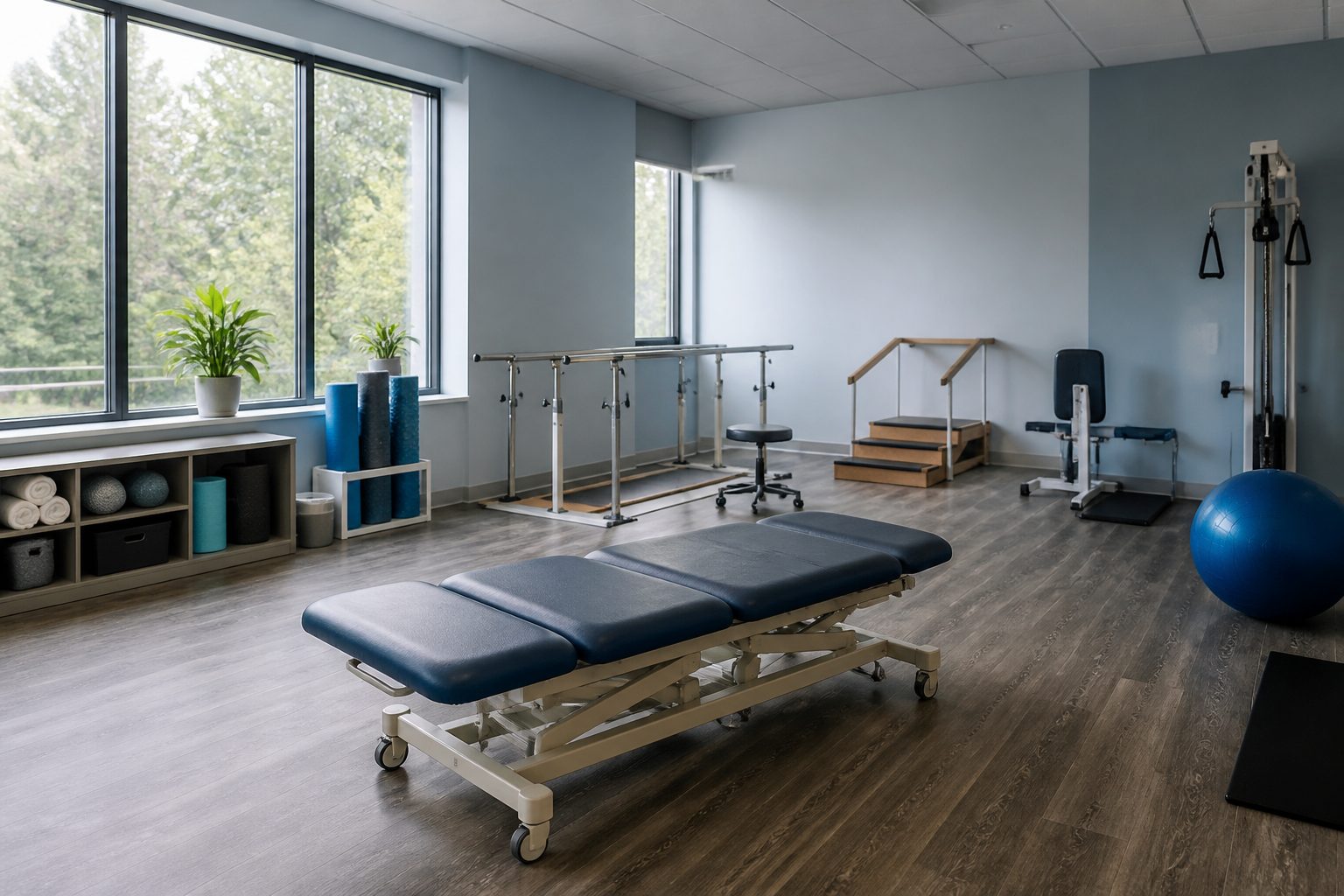
Patients and families seeking physiotherapy, rehabilitation, or elderly care in South Africa can expect per-session costs from $20-$50 (R350-R900), depending on the service and provider. Monthly packages for home nursing, palliative care, or assisted living typically range from $500 to $1,500 (R9,000-R27,000).
This article explains what you can expect to pay for physiotherapy and related services in South Africa, how these costs compare internationally, what’s included, and practical tips for choosing the right care option.
Overview: What physiotherapy and elderly care cost in South Africa
Physiotherapy and elderly care in South Africa cover a broad range of services, each with its own pricing structure influenced by location, type of facility, and level of care required. The country’s healthcare landscape is divided between public and private sectors, with costs and service quality varying accordingly. In general, private facilities, especially those in major urban centers like Johannesburg, Cape Town, and Durban, tend to charge higher fees but often provide more advanced equipment, specialized staff, and shorter waiting times.
For outpatient physiotherapy, session fees typically range from R350 to R800 per visit, depending on the therapist’s experience, the complexity of your condition, and the region. Packages for multiple sessions may be available at a discounted rate. In-patient rehabilitation hospitals, which cater to patients needing intensive therapy after strokes, surgeries, or serious injuries, can cost several thousand rand per day. These charges usually cover accommodation, meals, standard therapies, and basic nursing care, but may exclude specialist consultations or advanced diagnostics.
Elderly care options also vary widely. Assisted living facilities and nursing homes may charge from R8,000 to R30,000 per month, depending on the level of support, room type, and amenities provided. Home-based care, where a nurse or caregiver visits your residence, is a flexible alternative and is often billed by the hour or day. Costs for home care depend on the frequency and complexity of care, with specialized nursing or rehabilitation services costing more than basic assistance.
South Africa’s private healthcare sector is well developed and increasingly serves international and regional patients seeking high-quality, affordable care. Many facilities are equipped to handle complex cases and offer multidisciplinary teams, including physiotherapists, occupational therapists, nurses, and medical specialists. However, prices are generally higher in private hospitals compared to community clinics or smaller practices, so it’s important to match your needs and budget to the right provider. Always request a full cost estimate and clarify what is included to avoid unexpected expenses.
Cost comparison: South Africa and other countries
Physiotherapy and elderly care costs in South Africa are generally lower than in the US, UK, or Australia, but higher than in much of Asia. The following table compares typical per-session and monthly package costs for key services in South Africa, India, the UK, the US, and the Philippines.
| Country | Physiotherapy per session | In-patient rehab (monthly) | Home nursing (monthly) | Assisted living (monthly) |
|---|---|---|---|---|
| South Africa | $20-$50 (R350-R900) | $1,200-$3,000 (R21,500-R54,000) | $500-$1,500 (R9,000-R27,000) | $900-$2,000 (R16,000-R36,000) |
| India | $7-$20 (₹600-1,700) | $600-$1,500 (₹50,000-1.2 lakh) | $300-$800 (₹25,000-65,000) | $400-$1,000 (₹33,000-82,000) |
| UK | $60-$100 (£45-80) | $5,000-$8,000 (£3,900-6,200) | $2,500-$4,500 (£2,000-3,500) | $3,000-$5,000 (£2,400-4,000) |
| US | $80-$200 | $8,000-$18,000 | $4,000-$8,000 | $4,500-$10,000 |
| Philippines | $10-$25 (₱550-1,400) | $800-$2,000 (₱44,000-110,000) | $350-$900 (₱19,000-50,000) | $500-$1,200 (₱27,000-65,000) |
What’s included in physiotherapy and rehab fees
In South Africa, a standard physiotherapy session usually lasts 30 to 60 minutes and includes assessment, hands-on therapy, supervised exercise, and sometimes modalities like ultrasound or electrotherapy. The fee covers the therapist’s time and use of clinic equipment, but may not include extras such as advanced diagnostics (MRI, x-ray), assistive devices, or orthotics.
In-patient rehabilitation hospitals charge monthly rates that include accommodation, meals, daily therapy sessions (physiotherapy, occupational therapy, sometimes speech therapy), nursing care, medication administration, and access to medical staff. Some facilities also offer social work, psychological support, and recreational activities. However, specialist consultations, medications, or investigations outside the rehab program may be billed separately.
Home nursing and palliative care packages usually include regular visits by a nurse or caregiver, basic physiotherapy, vital sign monitoring, personal care (bathing, feeding), and basic wound care. More advanced interventions, night shifts, or live-in care can increase costs. Assisted living covers accommodation, meals, basic personal care, and some recreational activities, but intensive medical or rehab services are usually extra.
Hidden costs and what to watch for
When budgeting for physiotherapy or elderly care in South Africa, it’s important to recognize that the initial price you see may not reflect the total amount you’ll ultimately pay. While reputable providers typically offer transparent rates for basic sessions or treatment packages, there are often additional costs that can arise unexpectedly. These hidden expenses can significantly affect your overall budget, especially for long-term rehabilitation or in-patient stays.
- Specialist consultations: While your primary physiotherapist or care provider is included, referrals to other specialists—such as neurologists, geriatricians, or orthopaedic surgeons—may incur separate consultation fees. These can range from a few hundred to over a thousand rand per visit, depending on the provider and whether you are seen in a private or public setting.
- Medications and consumables: Items like prescription medications, wound dressings, catheters, or incontinence supplies are often charged separately. These recurring costs can add up, especially for elderly or post-surgical patients needing daily supplies.
- Transport costs: If you or your loved one need regular travel to and from the facility, factor in the price of private ambulances, shuttle services, or even fuel and parking if you drive yourself. Some areas, especially outside major cities, may have limited public transport options, increasing reliance on costly private transfers.
- Advanced imaging, lab tests, or emergency care: Diagnostic procedures such as MRIs, X-rays, and blood tests are rarely included in standard physiotherapy packages. Emergency interventions, if needed, may also result in significant additional charges.
- Facility upgrades and dietary needs: Upgrading to a private room, requesting a special diet, or arranging for extra amenities often comes at a premium. These options can be attractive for comfort or privacy but should be budgeted for in advance.
- Assistive devices: Essential items like wheelchairs, walkers, splints, and orthotics are usually not part of the base cost. Some providers may rent these, while others require you to purchase them outright.
To avoid surprises, always ask for a detailed, written breakdown of what is and isn’t included—especially for longer-term stays, complex rehabilitation, or in-patient care. Clarify if there are extra charges for services on weekends or public holidays, for overnight nursing, or for additional therapy sessions beyond the original plan. South African facilities may have different billing practices, so don’t hesitate to question anything unclear. Being proactive about these potential hidden costs will help you plan more accurately and prevent financial stress during your recovery or care journey.
How to save money safely on physiotherapy and care
Managing the costs of physiotherapy and elderly care in South Africa requires a strategic approach to balance affordability with quality and safety. There are several practical steps you can take to reduce expenses without compromising your health outcomes or the standard of care you receive.
- Opt for outpatient and home-based care: Whenever your condition allows, choose outpatient physiotherapy or home-based rehabilitation instead of in-patient stays. Outpatient sessions are generally much less expensive, and home-based care provides flexibility and can significantly lower accommodation and meal costs.
- Maximize your insurance benefits: Check with your South African medical aid scheme or international health insurance provider to see what rehabilitation or care services are covered. Many schemes offer partial or full reimbursement for prescribed physiotherapy, nursing, or assistive devices. Be sure to obtain pre-authorization if required and keep all receipts for claims.
- Use community clinics or smaller practices: For routine physiotherapy, community clinics and smaller private practices often offer lower rates than large private hospitals. Reserve premium facilities for complex cases that require multidisciplinary teams or specialized equipment.
- Negotiate package deals: If you anticipate needing multiple sessions or ongoing care, ask providers about package rates or bundled services. Committing to a series of sessions upfront can often secure a lower per-session price and help you budget more predictably.
- Compare international costs: For international patients, it’s important to calculate the total cost of care in South Africa—including travel, visas, accommodation, and aftercare—versus options in your home country or neighboring regions. South Africa is often more affordable than Europe or North America, but costs can add up if you require extended stays or frequent follow-ups.
Regardless of your budget, never compromise on the qualifications of your therapists or the safety and accreditation of the facility. Always choose providers registered with the Health Professions Council of South Africa (HPCSA) or accredited by recognized organizations. Verify credentials and ask for references if needed. By taking these steps, you can access high-quality physiotherapy and elderly care in South Africa while staying within your financial means.
Choosing the right provider in South Africa
Selecting the right physiotherapy or elderly care provider in South Africa is a crucial step that can impact both your health outcomes and overall experience. The country’s major urban centers—Johannesburg, Cape Town, Durban, and Pretoria—boast a concentration of high-quality clinics, rehabilitation hospitals, and care facilities, each with varying expertise and services. When evaluating your options, prioritize providers with a proven track record in treating your specific condition, whether it’s stroke recovery, orthopaedic rehabilitation, neurological disorders, or comprehensive elderly care. Multidisciplinary teams, which include physiotherapists, occupational therapists, nurses, and medical specialists, often deliver more coordinated and effective care.
International patients should look for facilities with English-speaking staff and dedicated international patient coordinators who can assist with logistics, billing, and communication. Some leading private hospitals and rehabilitation centers in South Africa are accredited by the Council for Health Service Accreditation of Southern Africa (COHSASA) or international organizations such as the Joint Commission International (JCI). Accreditation is a strong indicator of quality and adherence to global best practices. For those needing home nursing or palliative care, select agencies with well-trained, registered nurses and positive references from previous clients.
If possible, arrange to visit the facility in person or request a virtual tour to assess the environment, cleanliness, and overall atmosphere. Inquire about the qualifications and ongoing training of staff, emergency protocols, and how care plans are tailored to individual needs. For elderly care or assisted living, pay special attention to staff-to-patient ratios, security measures, and the availability of on-site or on-call medical support. Don’t hesitate to ask about the provider’s experience with international insurance, direct billing, and their ability to support patients from different cultural backgrounds. Doing thorough research and asking the right questions will help you make an informed choice and ensure peace of mind throughout your care journey in South Africa.
Planning your stay: Travel, accommodation and aftercare
If you are considering traveling to South Africa for physiotherapy or elderly care, comprehensive planning is essential to ensure a smooth and cost-effective experience. South Africa is well connected internationally, with major airports in Johannesburg (O.R. Tambo International) and Cape Town, as well as Durban. Many nationalities can enter the country visa-free or obtain a visa on arrival, but it’s wise to check the latest requirements and allow time for processing if a visa is needed.
Once you arrive, local transportation is a key consideration. Most major hospitals and care agencies can arrange airport transfers and local transport for an additional fee, which can range from R300 to over R1,000 depending on distance and vehicle type. In cities, ride-hailing services like Uber are widely available, while more remote areas may require private shuttle services or car rentals.
Accommodation options near leading hospitals and rehabilitation centers are plentiful and cater to a range of budgets. Choices include budget guesthouses, hotels, serviced apartments, and even long-term rental flats. Some rehabilitation hospitals provide on-site accommodation for family members, which can be convenient and cost-effective, but may come with limited availability or extra charges. For extended stays, renting an apartment offers greater flexibility and comfort, especially if you require space for caregivers or family support.
Aftercare planning is vital, particularly for those undergoing complex rehabilitation or elderly patients with ongoing needs. Before committing to a provider, clarify what follow-up care is available—such as remote physiotherapy sessions, tele-rehabilitation, or periodic check-ins. Ask how your medical records and treatment summaries will be shared with your primary doctor at home, and whether the facility can provide a comprehensive medical summary upon discharge. For international patients, arranging these documents in advance is crucial to ensure continuity of care when you return home. Consider also the costs and logistics of follow-up appointments, medication refills, and potential emergency support after your stay in South Africa.
Frequently asked questions
How much does a typical physiotherapy session cost in South Africa?
A standard private physiotherapy session costs between $20 and $50 (R350-R900), depending on location, therapist experience, and session length. Community clinics may charge less, while specialist hospital-based sessions may be at the higher end. Package rates are available for multiple sessions.
Is in-patient rehabilitation more expensive than home care?
Yes, in-patient rehabilitation in a private hospital or specialist center is significantly more expensive, with monthly rates from $1,200 to $3,000 (R21,500-R54,000). Home care or outpatient rehab can be more affordable, but may not be suitable for all patients, especially those needing intensive medical supervision.
Are costs for elderly care and assisted living covered by insurance?
Most private health insurance and medical aid schemes in South Africa offer limited coverage for rehabilitation and home nursing, but long-term elderly care or assisted living is often not fully covered. Always check with your insurer and clarify what is included before starting care.
What qualifications should I look for in a physiotherapist?
Physiotherapists in South Africa must be registered with the Health Professions Council of South Africa (HPCSA). Look for therapists with additional training in your required area (such as neurological or orthopaedic rehab) and experience with your specific condition.
How can international patients arrange physiotherapy or rehab in South Africa?
Most major hospitals and rehab centers have international patient coordinators who can assist with appointments, travel arrangements, and cost estimates. It is advisable to contact the provider in advance, submit your medical history, and obtain a detailed written quote before traveling.
Related guides
Disclaimer: Prices in this article are indicative and vary by individual case, facility, and location. Please obtain a written quote from your chosen provider and consult a qualified doctor to determine the most appropriate care for your needs.