
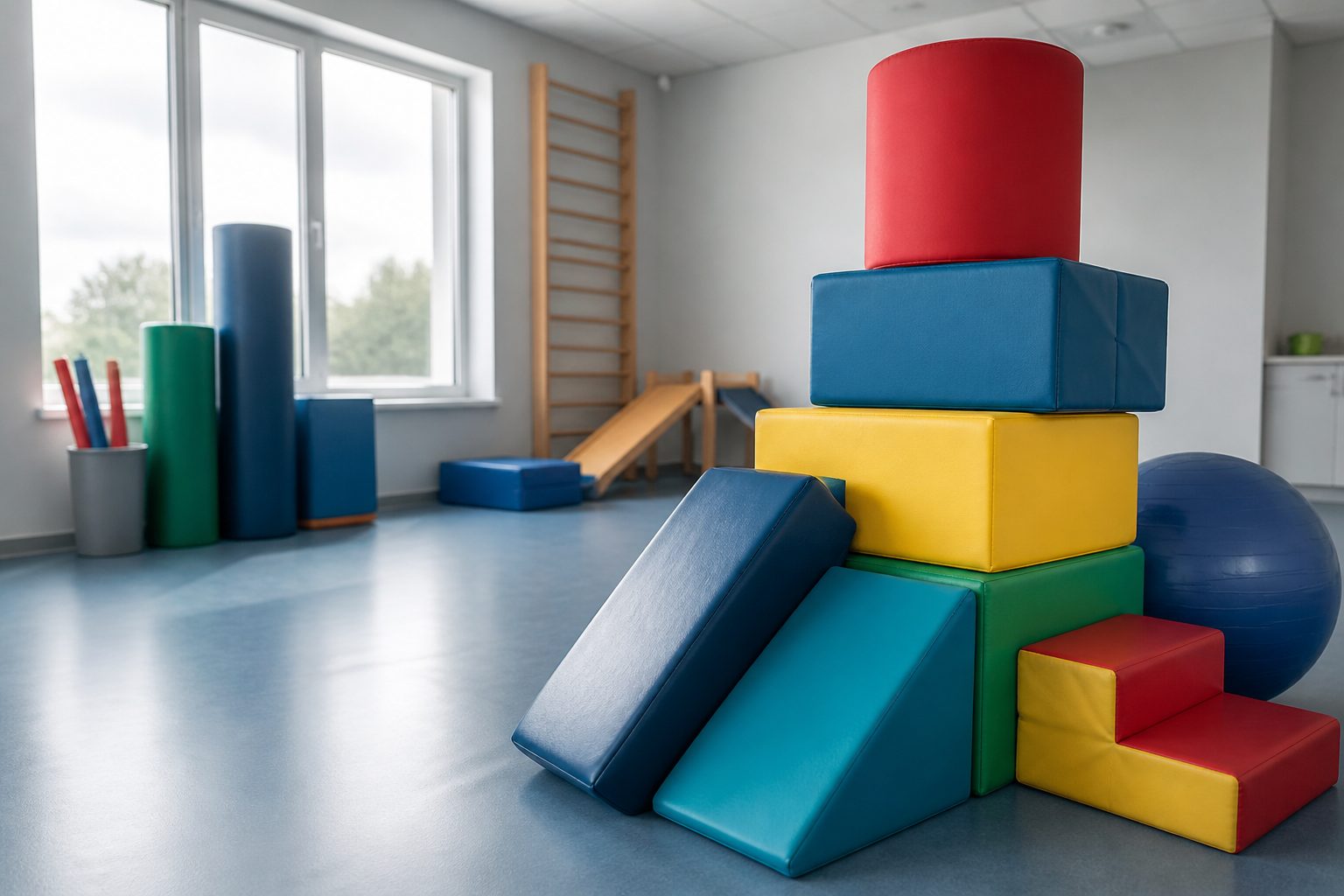
Parents seeking physiotherapy for children in Pakistan, India, or the UK will find significant differences in cost, access, and care options. In South Asia, therapy is affordable and widely available in clinics and at home. In the UK, private physiotherapy is more costly, but public options exist for eligible children.
Prices per session range from $4–$15 (₹350–1,200 or PKR 1,150–4,300) in Pakistan and India, and $50–$100 (£40–£80) in the UK. Monthly packages and home care services are available in all three countries, each with its own pricing and inclusions.
How physiotherapy helps children
Pediatric physiotherapy is a specialized field that addresses the unique physical needs of children from infancy through adolescence. Its main goal is to enhance a child’s functional abilities, independence, and quality of life, whether the challenges are due to developmental delays, neurological disorders, musculoskeletal injuries, or post-surgical recovery. In Pakistan, India, and the UK, physiotherapy is crucial for children with conditions such as cerebral palsy, Down syndrome, spina bifida, muscular dystrophy, and those recovering from fractures or orthopedic surgeries.
Therapists design individualized treatment programs tailored to each child’s age, diagnosis, and personal goals. These programs often include play-based exercises to make therapy engaging and age-appropriate, as well as manual therapy techniques to improve joint mobility and muscle flexibility. Gait training is provided for children learning to walk or re-learn mobility after injury. Strengthening and balance exercises are integrated to promote stability and prevent future injuries.
Depending on the child’s needs and family preferences, therapy can be delivered in various settings. In the UK, specialized pediatric clinics and NHS rehabilitation hospitals are common, while in Pakistan and India, sessions may take place in private clinics, charitable centers, or even at home for convenience. Home-based therapy is especially valuable in rural areas or where access to clinics is limited, though it may come with additional cost for travel.
Equipment such as splints, walkers, standing frames, and exercise balls are often used to support therapy goals. In many cases, therapists also provide training and advice for parents and caregivers, empowering families to continue exercises and positioning at home for better outcomes. Early intervention is emphasized in all three countries, as starting therapy at a young age can significantly improve long-term function and independence. Ultimately, pediatric physiotherapy offers a comprehensive approach to help children reach their full physical potential, participate more fully in daily life, and reduce the impact of disabilities.
Where children receive physiotherapy care
Children can access physiotherapy across a range of settings:
- Rehabilitation hospitals: These offer multidisciplinary care for complex cases, such as severe neurological conditions or after major surgery. They are equipped with advanced facilities and experienced staff.
- Physiotherapy clinics: Standalone clinics or those attached to hospitals provide outpatient therapy for children with less complex needs or for ongoing rehabilitation after discharge.
- Home care: Many families prefer in-home physiotherapy, especially for children with mobility challenges or chronic conditions. Home visits are also common after orthopedic procedures.
- Nursing homes and assisted living: Rarely used for children unless severe disability requires long-term residential care.
In Pakistan and India, private clinics and home services are widely available in major cities. In the UK, the National Health Service (NHS) provides therapy for eligible children, but waiting lists can be long, leading some families to seek private providers.
Cost of children’s physiotherapy: Pakistan, India, and UK
Costs vary by country, city, provider, and whether therapy is delivered in a clinic, hospital, or at home. Below is an overview of typical charges per session and for monthly packages.
| Country | Per-session cost (USD) | Per-session local | Monthly package (USD) | Monthly local | Home visit extra? | Public funding? |
|---|---|---|---|---|---|---|
| Pakistan | $4–$12 | PKR 1,150–3,500 | $60–$200 | PKR 17,000–56,000 | +10–30% | Rare, limited |
| India | $5–$15 | ₹350–1,200 | $80–$250 | ₹6,000–20,000 | +10–25% | Limited, in some public hospitals |
| UK (private) | $50–$100 | £40–£80 | $400–$800 | £320–£640 | +10–20% | NHS, but with waitlists |
What is included in the price
The cost of pediatric physiotherapy typically covers several core components, but what’s included can differ between clinics and countries. Knowing exactly what you’re paying for helps avoid surprises and ensures your child receives comprehensive care.
Most per-session fees—whether in Pakistan, India, or the UK—cover a 30–60 minute appointment. This usually includes a hands-on therapy session, ongoing assessment of your child’s progress, and the development or revision of a home exercise plan. The initial assessment, which may be up to twice the price of a standard session, involves a detailed evaluation, medical history review, and collaborative goal-setting with the family. In the UK, NHS assessments are typically free, but private clinics may charge separately for written reports or detailed documentation.
Many clinics offer discounted monthly packages, typically ranging from 8 to 20 sessions per month. These packages may include periodic progress reviews, short written feedback for parents or schools, and sometimes minor adjustments to the home program. In-home services, which are common in Pakistan and India for children with mobility issues, generally cost 10–30% more due to travel and setup time. In the UK, private home visits are similarly priced above standard clinic appointments.
Equipment costs are almost always billed separately. Items such as braces, splints, walkers, or exercise balls may be recommended as part of the therapy plan. In Pakistan and India, families usually purchase these directly from medical supply shops or through the clinic, while in the UK, some equipment may be provided by the NHS for eligible children. Group therapy sessions, while less common for young children, can be a lower-cost option in some urban clinics in South Asia or in select UK centers.
It’s important to clarify with your provider what is—and isn’t—included in the quoted price before starting therapy. Ask about additional fees for reports, progress reviews, or caregiver training. Understanding these details helps you plan both your child’s rehabilitation and your family’s budget with confidence.
Hidden costs and what is not included
Families should budget for possible extra costs:
- Equipment: Walkers, orthotics, splints, and therapy tools are not included in session fees and may cost $20–$300 (₹1,600–24,000; PKR 6,000–85,000) each.
- Travel: Transport to and from clinics, especially in large cities or rural areas, may add to the overall expense.
- Special reports: Written assessments for schools, insurance, or doctors are often billed separately ($15–$60 per report).
- Additional consultations: Sessions with occupational therapists, speech therapists, or pediatric specialists are not included.
- Hospital admission: In rare cases where inpatient rehabilitation is needed, costs rise significantly and are billed separately.
Insurance coverage for pediatric physiotherapy is limited in South Asia and only partial in the UK’s private sector. Some government or charity programs may offer support for low-income families, but eligibility is strict and places are limited.
How to save on children’s physiotherapy safely
Managing the cost of children’s physiotherapy requires a balance between affordability and quality care. There are several strategies families in Pakistan, India, and the UK can use to reduce expenses without compromising their child’s progress or safety. Here are effective, practical tips:
- Explore package rates and advance payment discounts: Many clinics offer reduced rates if you commit to a set number of sessions up front. For example, buying a package of 10 or 20 sessions in India or Pakistan can lower the per-session cost by 10–20%. Always ask about refund policies in case your needs change.
- Consider group therapy sessions: For children who are appropriate candidates (often those needing maintenance therapy or working on social skills), group sessions can be significantly less expensive than individual sessions. This option is more prevalent in urban centers and is sometimes available in the UK’s private sector or through NGOs in South Asia.
- Utilize public hospital outpatient clinics: In Pakistan and India, government hospitals and charitable organizations often provide physiotherapy at subsidized rates, though availability and wait times can vary. In the UK, the NHS remains the most cost-effective route, but patience may be needed due to long waiting lists.
- Empower yourself with home exercise programs: Ask your child’s therapist to teach you home-based exercises. Practicing these regularly can reduce the frequency of costly in-clinic visits. In all three countries, some clinics offer video consultations or tele-rehabilitation for follow-ups, which can be more affordable.
- Seek support from NGOs and charities: Numerous organizations in Pakistan and India (such as the Pakistan Society for Rehabilitation of the Disabled or The Spastics Society of India) offer free or subsidized therapy for children with special needs. In the UK, local councils and charities may provide grants or equipment loans.
- Prioritize NHS options in the UK: For long-term therapy, exhaust all NHS avenues first. Even if initial wait times are long, the ongoing savings can be substantial compared to private care.
Regardless of the cost-saving route you choose, always verify the therapist’s qualifications and experience, especially for home visits or low-cost providers. In Pakistan and India, ensure the therapist is registered with a recognized professional body. In the UK, check for Chartered Society of Physiotherapy (CSP) membership. This helps guarantee your child’s safety and the effectiveness of their care while keeping costs manageable.
What drives the price of pediatric physiotherapy
The cost of pediatric physiotherapy is shaped by a complex mix of factors, which can vary significantly between Pakistan, India, and the UK. Understanding these price drivers helps families budget realistically and choose the best care for their child’s needs.
- Therapist experience and specialization: Highly experienced physiotherapists, especially those with advanced training or certification in pediatric care, typically charge more. In the UK, Chartered Physiotherapists or those with master’s degrees may command higher fees, while in India and Pakistan, international training or a strong reputation in pediatric cases can increase costs.
- Geographic location: Urban centers like Karachi, Lahore, Mumbai, Delhi, and London generally have higher prices due to greater demand, higher rents, and more specialized services. Rural clinics may be more affordable but offer fewer pediatric specialists.
- Session duration and frequency: Standard sessions last 30–60 minutes, but longer or more intensive programs (such as post-surgical rehab or complex neurological cases) cost more. The total cost also increases if daily or multiple weekly sessions are required, which is common in early intervention or acute recovery phases.
- Type and reputation of facility: Large rehabilitation hospitals, branded chains, and specialized pediatric centers often have higher fees due to advanced equipment, multidisciplinary teams, and overhead costs. Independent or smaller clinics may offer more competitive pricing.
- Home visits and convenience: Home-based therapy is popular in Pakistan and India for families with transportation challenges or children with severe disabilities. However, therapists usually charge 10–30% more to cover travel time and expenses. In the UK, private home visits are also pricier than clinic appointments.
- Complexity of the child’s condition: Children needing multidisciplinary care (physiotherapy, occupational therapy, and speech therapy) or those with multiple disabilities require more resources, coordination, and expertise, leading to higher overall costs. Intensive early intervention programs or specialized equipment also add to expenses.
In all three countries, private sector prices are influenced by local demand, competition, and therapist credentials. In Pakistan and India, there is often a wide range between high-end urban clinics and smaller local providers. Public sector services, such as government hospitals or the NHS in the UK, are heavily subsidized but may have limited availability, longer wait times, and less flexibility in scheduling. Understanding these cost factors allows families to make informed decisions, balancing quality, convenience, and affordability for their child’s care.
How to choose a physiotherapist or facility
When selecting a provider for your child, consider:
- Experience with children: Pediatric physiotherapy is a distinct specialty. Ask about the therapist’s specific training and experience with your child’s condition.
- Facility accreditation: In India, look for NABH-accredited hospitals or clinics. In Pakistan, check for PMDC or HEC recognition. In the UK, physiotherapists should be registered with the HCPC and CSP.
- Approach to care: Child-friendly, play-based therapy is essential. Observe a session if possible and assess how your child responds.
- Communication: The therapist should work with you as a partner, providing clear home exercise instructions and progress updates.
- Location and convenience: Consider travel time and whether home visits are available if needed.
- Transparency of costs: Ensure you receive a written quote detailing what is included and any possible extras.
It’s often helpful to ask for recommendations from your pediatrician or from other parents in local support groups.
Planning your child’s physiotherapy: Practical tips
To ensure your child gains the maximum benefit from physiotherapy, careful planning and open communication are essential. Rehabilitation is a collaborative process, requiring active participation from both the family and the therapist. Here are practical, detailed steps to help you navigate this journey effectively, while also considering the financial and logistical aspects in Pakistan, India, and the UK:
- Comprehensive assessment: Begin with a full evaluation by a qualified pediatric physiotherapist. This assessment will help identify your child’s specific needs, set measurable goals, and establish realistic expectations for progress. In the UK, NHS assessments are often free but may involve waiting lists, whereas private clinics in India and Pakistan may charge separately for this in-depth evaluation.
- Consistency and home exercises: Attend scheduled sessions regularly, as skipping appointments can slow progress. Follow the therapist’s prescribed home exercise program closely—this is especially important in countries where frequent clinic visits may not be affordable or practical due to travel distances or costs.
- Progress tracking and communication: Keep a record of your child’s improvements and challenges. Share updates with your therapist to allow timely adjustments to the care plan. In India and Pakistan, some clinics offer digital progress tracking or WhatsApp check-ins for convenience.
- Optimal scheduling: Book sessions at times when your child is most alert and cooperative—typically mornings or after a nap. This maximizes engagement, especially for younger children or those with special needs.
- Bring necessary equipment: Always bring any prescribed equipment, such as braces, splints, or walkers, to each session. In Pakistan and India, you may need to purchase these items separately, while in the UK, some may be provided through the NHS.
- Patience and realistic timelines: Understand that progress may be slow, particularly for complex or chronic conditions like cerebral palsy or muscular dystrophy. Celebrate small milestones to keep motivation high.
Planning should also include financial considerations. In Pakistan and India, out-of-pocket expenses can add up quickly, especially for long-term therapy. Ask clinics about package rates, bulk session discounts, or installment payment plans. In the UK, if using private services, inquire about insurance coverage or whether your child qualifies for NHS-funded therapy. Finally, seek out local support groups or charities that can offer advice, emotional support, or even financial assistance. By taking these practical steps, you can help ensure your child’s physiotherapy journey is as effective, affordable, and stress-free as possible.
Frequently asked questions
How many sessions will my child need?
This depends on your child’s diagnosis, age, and therapy goals. Some children need short-term therapy after injury, while others with chronic or developmental conditions may require ongoing support for months or years. Your physiotherapist will outline a plan after assessment.
Is home physiotherapy as effective as clinic-based therapy?
For many children, especially those with mobility challenges, home-based therapy can be just as effective as clinic sessions. However, clinics may offer specialized equipment and a distraction-free environment. The best option depends on your child’s needs and your family’s situation.
Can I claim insurance for children’s physiotherapy?
In Pakistan and India, insurance rarely covers outpatient physiotherapy, though some premium plans may include limited sessions. In the UK, private insurance may cover therapy if prescribed by a doctor, but most families rely on NHS services for pediatric care.
What qualifications should I look for in a pediatric physiotherapist?
Look for therapists with a degree in physiotherapy and specific training or experience in pediatrics. In India, check for registration with the Indian Association of Physiotherapists; in Pakistan, with PMDC or HEC; and in the UK, with HCPC and CSP. Experience with your child’s condition is also important.
Are there free or subsidized options for low-income families?
In Pakistan and India, some government hospitals and NGOs offer low-cost or free therapy, but places are limited. In the UK, NHS provides free therapy for eligible children, though wait times can be lengthy. Always check local resources and eligibility requirements.
Related guides
Disclaimer: Prices in this article are indicative and vary by case, provider, and location. Always request a written quote and consult a qualified doctor or physiotherapist for your child’s specific needs.