
This guide is for families and patients comparing stroke rehabilitation costs in India, Thailand, and the USA. It covers physiotherapy, rehab hospitals, nursing homes, assisted living, home nursing, and palliative care, with monthly and per-session prices for each country.
In India, basic outpatient stroke rehab starts at $8-$20 per session, while a full month of inpatient rehab at a major hospital can cost $1,000-$2,500. In Thailand, expect $15-$40 per session, or $2,000-$5,000 per month for inpatient care. In the USA, outpatient sessions often start at $75, and inpatient rehab can exceed $30,000 per month.
What stroke rehabilitation involves
Stroke rehabilitation is a complex, multidisciplinary process designed to help survivors regain as much function as possible, adapt to any lasting deficits, and maximize their independence. The core components of rehabilitation are tailored to the individual’s deficits and goals, and may differ depending on available resources and cultural practices in India, Thailand, and the USA.
Key therapies and interventions
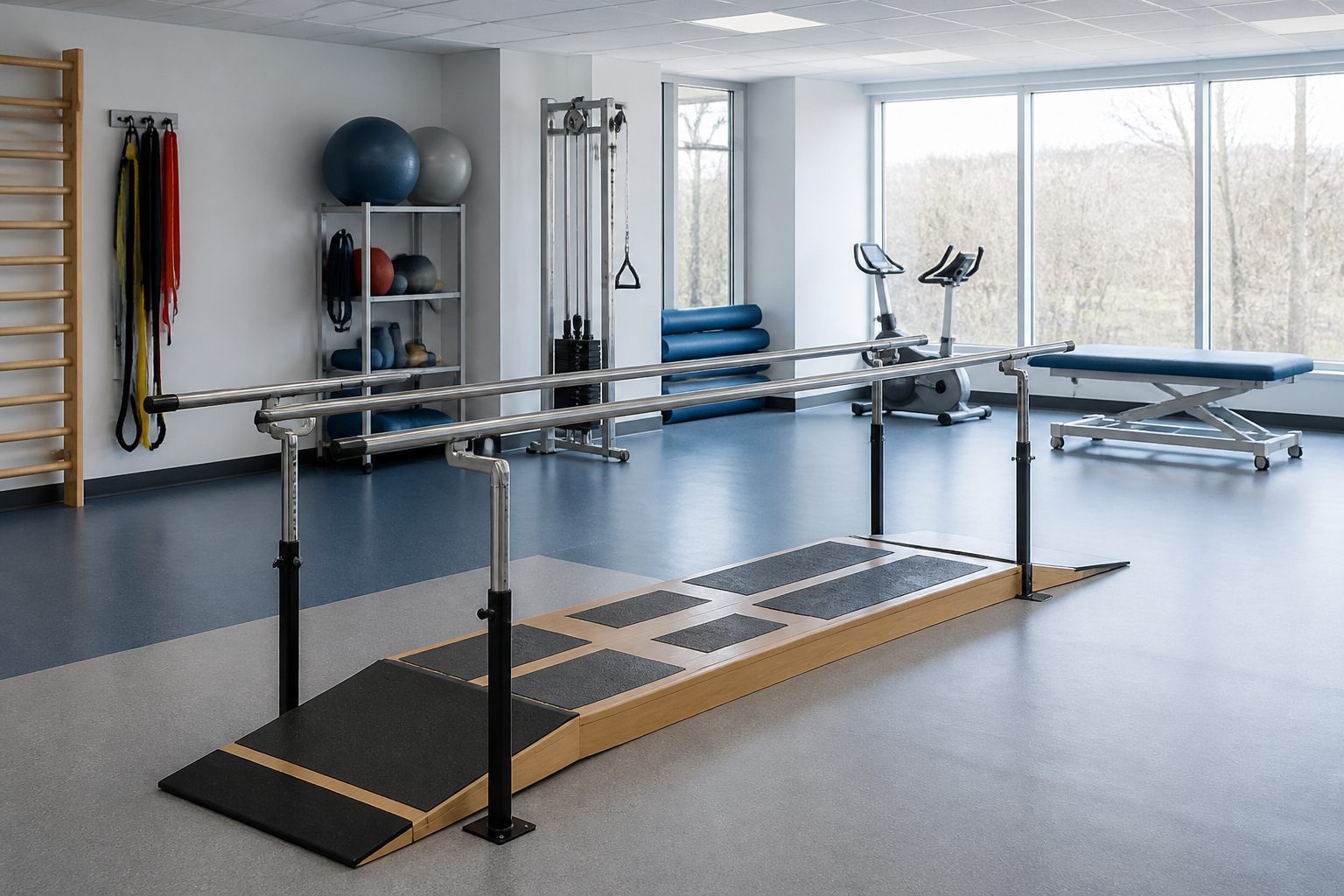
- Physical therapy: Focuses on improving strength, balance, coordination, and mobility. This may involve walking exercises, balance training, and the use of assistive devices. In all three countries, physical therapy is the backbone of stroke rehab.
- Occupational therapy: Helps patients relearn daily living skills such as dressing, bathing, eating, and using the bathroom independently. Therapists may teach adaptive techniques or recommend home modifications.
- Speech and language therapy: Essential for patients with speech, language, or swallowing difficulties. Therapists use targeted exercises and communication aids.
- Psychological support: Emotional and psychological recovery is vital. Counseling or support groups help patients and families cope with depression, anxiety, or cognitive changes post-stroke. In the USA, this may be integrated into rehab programs; in India and Thailand, access may depend on facility resources.
Settings and intensity
Rehabilitation may take place in various settings:
- Inpatient hospitals: Offer the most intensive therapy, often three or more hours daily, with a multidisciplinary team and on-site medical care. This is common in the early weeks post-stroke, especially for those with significant impairments.
- Outpatient clinics: Provide scheduled therapy sessions several times a week, suitable for patients who are medically stable and have reliable transport.
- Home-based care: Ranges from periodic therapist visits to full-time nursing or live-in caregivers. This is often chosen for long-term or palliative needs, or where travel is difficult.
- Nursing homes/assisted living: For patients with persistent disabilities who require ongoing supervision and support.
The choice of setting depends on the patient’s physical and cognitive status, family support network, and financial means. In the USA, insurance coverage often dictates options, while in India and Thailand, family resources and proximity to quality facilities are key factors. Regardless of location, early and sustained rehabilitation is linked to better outcomes, making it essential to start as soon as possible and continue as long as progress is being made.
Stroke rehabilitation cost comparison: India, Thailand, USA
| Service type | India | Thailand | USA |
|---|---|---|---|
| Outpatient physiotherapy (per session) | $8-$20 (₹650-1,600) | $15-$40 (฿550-1,400) | $75-$250 |
| Inpatient rehab hospital (per month) | $1,000-$2,500 (₹83,000-2 lakh) | $2,000-$5,000 (฿73,000-180,000) | $15,000-$35,000 |
| Nursing home (per month) | $400-$1,200 (₹33,000-99,000) | $900-$2,200 (฿33,000-80,000) | $6,000-$15,000 |
| Assisted living facility (per month) | $600-$1,500 (₹50,000-1.25 lakh) | $1,200-$2,500 (฿44,000-91,000) | $4,500-$9,000 |
| Home nursing (per month, 8 hr/day) | $250-$700 (₹20,000-58,000) | $400-$1,000 (฿15,000-36,000) | $4,000-$9,000 |
| Palliative care at home (per month) | $200-$600 (₹16,000-50,000) | $300-$800 (฿11,000-29,000) | $3,000-$8,000 |
Prices are indicative and may vary by city, facility, and the patient’s needs. The ranges reflect typical costs in large cities and private facilities; rural or smaller clinics may charge less, while top international hospitals may charge more.
What is included in the price
Understanding what is covered in the quoted price for stroke rehabilitation is essential for accurate budgeting and avoiding unpleasant surprises. The inclusions vary by facility type, country, and whether the care is inpatient, outpatient, or home-based.
Inpatient rehabilitation hospitals
- Accommodation and meals: Room charges (shared or private), daily meals, and basic housekeeping are typically included. In India and Thailand, these may be modest but comfortable; in the USA, accommodation standards are higher but reflected in the price.
- Therapy sessions: Daily physiotherapy, occupational therapy, and sometimes speech therapy are bundled into the package. The number and duration of sessions can differ—often three or more hours per day in the USA, slightly less in India and Thailand.
- Basic nursing care: Routine nursing (medication administration, wound care, monitoring vitals) is standard.
- Medications related to rehabilitation: Drugs needed for stroke recovery, such as antiplatelets or blood pressure medications, may be included, but only if directly related to the rehab process.
- Routine doctor assessments: Regular visits by a rehabilitation physician or neurologist are often part of the package, though specialist consults may cost extra.
- Family education and counseling: Some hospitals, especially in the USA and top-tier Indian or Thai centers, offer training for caregivers on home care and patient support.
Outpatient clinics
- Session fees: Each visit typically includes 30–60 minutes with a licensed therapist. Some clinics offer discounted packages for multiple sessions paid in advance.
- Therapy materials: Use of exercise equipment or therapy aids during sessions is usually included, but take-home items may be extra.
Home nursing
- Basic care: Assistance with bathing, feeding, mobility, and hygiene is standard. The nurse may also help with medication reminders and simple wound care.
- Exclusions: Nursing supplies (gloves, dressings), medications, and transport are often billed separately. In India and Thailand, families may need to provide these items themselves.
Assisted living and nursing homes
- Room and board: Accommodation, meals, and basic nursing are included in the monthly fee.
- Group activities: Participation in social or recreational activities is often part of the package.
- Possible extras: Specialized rehabilitation therapies, incontinence care, or advanced medical supplies may incur additional charges.
Palliative care at home
- Inclusions: Pain management, regular nursing visits, and basic supplies are typically covered by the package.
- Exclusions: Advanced medications, specialized equipment (such as oxygen concentrators), or additional visits are usually extra.
Always ask for a detailed, written breakdown of what is—and is not—included in your chosen package. This helps prevent misunderstandings and allows for better financial planning, especially if the patient’s needs change during the course of rehabilitation.
What is not included and potential hidden costs
When budgeting for stroke rehabilitation, it is crucial to recognize that the advertised or headline prices rarely reflect the total out-of-pocket expense. Across India, Thailand, and the USA, several important services and necessities often fall outside the standard package, leading to unexpected bills that can significantly impact your finances.
- Specialist consultations: Regular visits to neurologists, physiatrists, or other medical specialists are typically billed separately from standard rehabilitation costs. In the USA, these consultations can cost hundreds of dollars per visit, while in India and Thailand, the fees are lower but still add up over time.
- Advanced imaging: Diagnostic tests like MRI or CT scans are sometimes required to monitor recovery or investigate new symptoms. These are rarely included in rehabilitation packages. For instance, an MRI in the USA can cost $1,000 or more, whereas in India or Thailand, it might range from $100 to $400, but is still a notable extra expense.
- Medications: Drugs not directly related to rehabilitation—such as those for unrelated chronic conditions—are often excluded. Even rehab-related medications may require separate payment, especially in outpatient settings.
- Medical equipment: Items like wheelchairs, walkers, commodes, or hospital beds are typically not included. In India and Thailand, families may need to rent or purchase these themselves, while in the USA, insurance may only partially cover durable medical equipment, leaving significant copays.
- Transport: The cost of traveling to and from the facility can be substantial, especially for daily outpatient appointments or if the best facility is far from home. This is a major consideration in rural India or Thailand, where public transport may be limited, and in the USA, where medical transport services can be expensive.
- Personal care items: Consumables such as adult diapers, special dietary supplements, or wound care supplies are generally out-of-pocket expenses everywhere.
- 24-hour private nursing: Intensive personal care, especially overnight, is almost always an extra charge. In the USA, private nursing can cost $200–$400 per day; in India and Thailand, it is lower but still significant over weeks or months.
In the USA, even with insurance, copays, deductibles, and non-covered services can quickly accumulate—sometimes leading to thousands of dollars in surprise bills. Indian and Thai private insurance may cover some inpatient rehab, but outpatient and home-based services are often excluded, making these costs fully out-of-pocket. To avoid financial shocks, always request a comprehensive, itemized estimate in advance. Ask specifically about what is excluded, clarify the cost of additional services, and inquire about potential complications or extended stays that could increase your bill. Understanding these hidden costs allows families to plan more accurately and seek financial assistance or alternative solutions if needed.
How to save on stroke rehabilitation safely
Managing the costs of stroke rehabilitation can be challenging, but there are several effective ways to reduce expenses without compromising on quality or safety. The strategies available depend on the country, the patient’s condition, and the resources of the family.
India and Thailand
- Select reputable, non-luxury facilities: Opting for well-established local hospitals or clinics—rather than international brands or luxury hospitals—can cut costs by 30–50%. Many local centers offer high-quality care at lower prices, especially in major cities like Mumbai, Bangkok, or Chennai.
- Bundled therapy packages: Many clinics offer discounted rates for purchasing multiple therapy sessions in advance. This can be significantly cheaper than paying per visit and helps ensure continuity of care.
- Mix professional and family care: For long-term needs, combine outpatient therapy with family-provided daily support. For example, a patient might go to therapy twice a week and receive daily help from a trained home nurse or family member, reducing the need for costly full-time care.
- Tele-rehabilitation: Some hospitals now offer remote therapy sessions via video calls. This reduces travel costs and is especially helpful for patients in rural areas or with mobility challenges.
USA
- Use in-network providers: Choosing facilities and therapists covered by your insurance plan minimizes out-of-pocket costs. Always confirm network status before starting therapy.
- Maximize insurance benefits: Understand your policy’s coverage limits, copays, and deductibles. Request a case manager or social worker to help coordinate benefits and appeal denials if necessary.
- Community and non-profit programs: Many states and local organizations offer subsidized or sliding-scale rehabilitation services for those who qualify. Ask your hospital’s social services department about available options.
- Choose community rehab centers: These often provide high-quality care at lower prices than large hospital systems or private specialty clinics.
General tips
- Request detailed cost estimates: Always ask for a breakdown of all expected charges before committing to any program.
- Plan for long-term needs: Consider the likely duration of rehabilitation and budget accordingly. Some patients may need ongoing therapy for months or years.
- Consider group therapy: Where available, group sessions are often less expensive than one-on-one therapy and provide valuable peer support.
By researching options, asking the right questions, and combining professional and family support, it is possible to control costs while ensuring the patient receives effective, safe, and compassionate care throughout their recovery journey.
Choosing the right facility or service
Deciding on the most suitable rehabilitation setting is a nuanced process that depends on the stroke survivor’s medical status, rehabilitation objectives, available family support, and—crucially—budget. Each country presents a range of options with distinct cost structures, service levels, and practical considerations.
- Inpatient rehabilitation hospitals: These specialized centers provide intensive, multidisciplinary therapy and round-the-clock medical supervision. They are ideal for patients in the early stages post-stroke who have complex needs, require frequent monitoring, or are at risk of medical complications. In the USA, these facilities are costly but may be covered partly by insurance for a limited period. In India and Thailand, costs are lower, but the best hospitals (especially those accredited internationally) charge premium rates.
- Outpatient clinics: Outpatient rehabilitation is suitable for patients who are medically stable, mobile, and able to travel. Sessions are scheduled a few times a week, and the patient returns home afterward. This model is more affordable in all three countries, and it allows family involvement in daily care. In India and Thailand, outpatient rehab is often paid out of pocket, though bundled packages can help reduce costs. In the USA, insurance may cover some sessions, but there are usually visit limits and copays.
- Nursing homes and assisted living: For those with ongoing physical or cognitive impairments who cannot be cared for at home, long-term residential care may be required. Nursing homes provide medical and personal care, while assisted living offers a less intensive level of support. These options are expensive in the USA, often exceeding $7,000 per month, and are rarely covered by insurance. In India and Thailand, costs are lower but can still be a significant burden for families.
- Home nursing and palliative care: Many families prefer home-based care, especially for elderly or frail patients. Home nursing can range from daily visits for therapy and basic care to 24-hour live-in support. In India and Thailand, this is often more affordable, but quality and availability vary by region. In the USA, home health agencies may be covered by insurance for short periods, but long-term care is usually private pay.
Regardless of the setting, always verify the facility’s accreditation (such as JCI or NABH), staff qualifications, and the range of therapies offered. Ask about therapy schedules—how many hours per day, how many types of therapy—and infection control protocols. Visit the facility if possible, talk to current patients or families, and review online ratings or testimonials. These steps help ensure you choose a safe, effective, and cost-appropriate rehabilitation service for your loved one.
Planning and budgeting for stroke rehabilitation
Start by getting a clear assessment of the patient’s needs from a stroke specialist or rehabilitation physician. Request written quotes from at least two or three facilities. Ask for itemized cost breakdowns, including therapy intensity (hours per day/week), included services, and any extra charges.
Consider the total cost over the expected duration of rehabilitation, not just monthly or per-session rates. For international patients, factor in visa requirements, travel costs, and local accommodation for family members if needed. In India and Thailand, many hospitals offer international patient coordinators to help with logistics and cost estimates in advance.
If considering home care, check whether family members can be trained to assist with exercises and daily care, reducing the need for full-time professional help. Some NGOs and community organizations in India and Thailand offer subsidized or free home therapy for low-income families.
Frequently asked questions
How long does stroke rehabilitation typically last?
Stroke rehabilitation is highly individual. Intensive inpatient rehab may last from 2 weeks to 3 months, while outpatient or home-based therapy can continue for several months to a year or more, depending on progress and goals.
Are there any government or charity programs that help with costs?
In the USA, Medicare may cover some rehab services for eligible seniors, while Medicaid and veterans’ programs offer additional support. In India and Thailand, government hospitals and NGOs may provide low-cost or subsidized rehabilitation for low-income patients, but availability varies by region.
Can family members participate in rehabilitation?
Yes, family involvement is encouraged. Many facilities offer caregiver training, and therapists may teach exercises or care routines for home. This can improve recovery and reduce costs by limiting the need for professional help for basic tasks.
What are the main differences between inpatient and outpatient rehab?
Inpatient rehab provides round-the-clock care and intensive therapy, suitable for those needing medical supervision. Outpatient rehab is less intensive, allowing patients to live at home, but may be less effective for those with severe impairment or limited family support.
How do I know if a facility is accredited or reputable?
Look for national or international accreditations such as JCI (Joint Commission International) or NABH (India). Check online reviews, ask for staff qualifications, and request a facility tour if possible. International patient coordinators can provide documentation on request.
Related guides
Disclaimer: Prices in this guide are indicative and vary by case, hospital, and location. Always request a written, itemized quote and consult a qualified doctor before choosing a rehabilitation program.